Wondering if an online home value is useful when you are thinking about selling in Hartford? You are not alone. Many sellers check an instant estimate first because it is fast, easy, and gives them a starting point. The good news is that these tools can get some important things right, especially for more standard properties. The key is knowing where the estimate helps and where local insight matters most. Let’s dive in.
Why online valuations can help
Online valuations, often called automated valuation models or AVMs, use property data and recent sales activity to estimate value. The Consumer Financial Protection Bureau explains that these tools compare details like bedrooms, bathrooms, square footage, tax assessments, and recent local sales.
That means an online estimate is not just pulling a random number out of thin air. It is using real data points that often line up with what public records already show. For Hartford sellers, that can make an AVM a useful first look at your likely price range.
What Hartford records already provide
In Geneva County, public records contain many of the same details online valuation tools depend on. The county GIS allows searches by acreage, tax value, district, subdivision, condition, year built, and heated square footage.
That matters because the estimate is starting with structured information, not guesswork. If your property records are clean and your home fits a common pattern for the area, the tool may have enough data to make a reasonable first pass.
What online valuations usually get right
Baseline range for standard homes
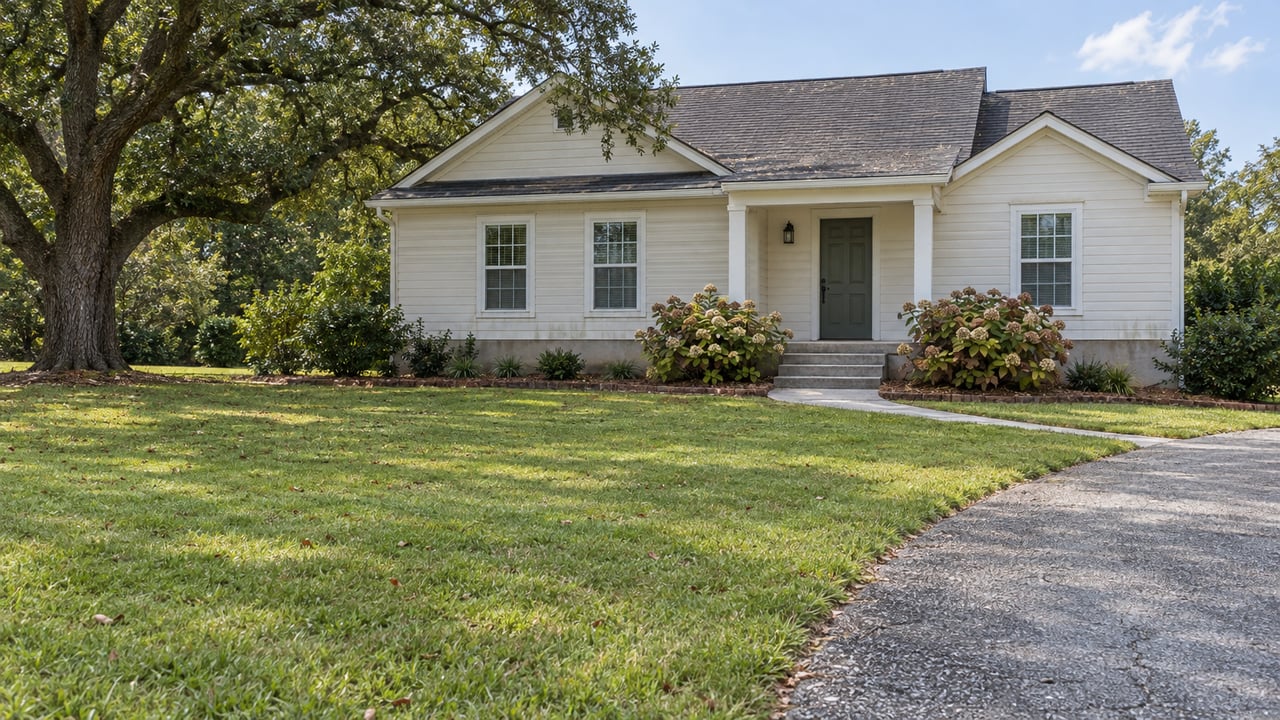
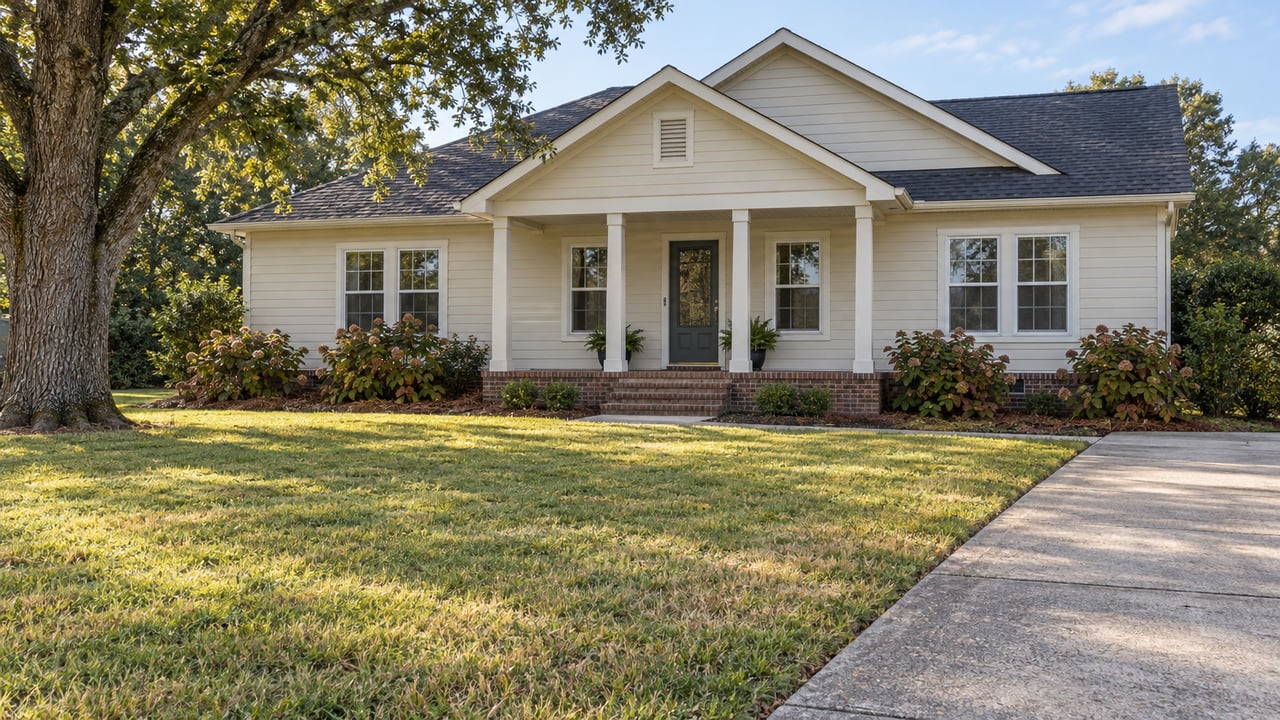
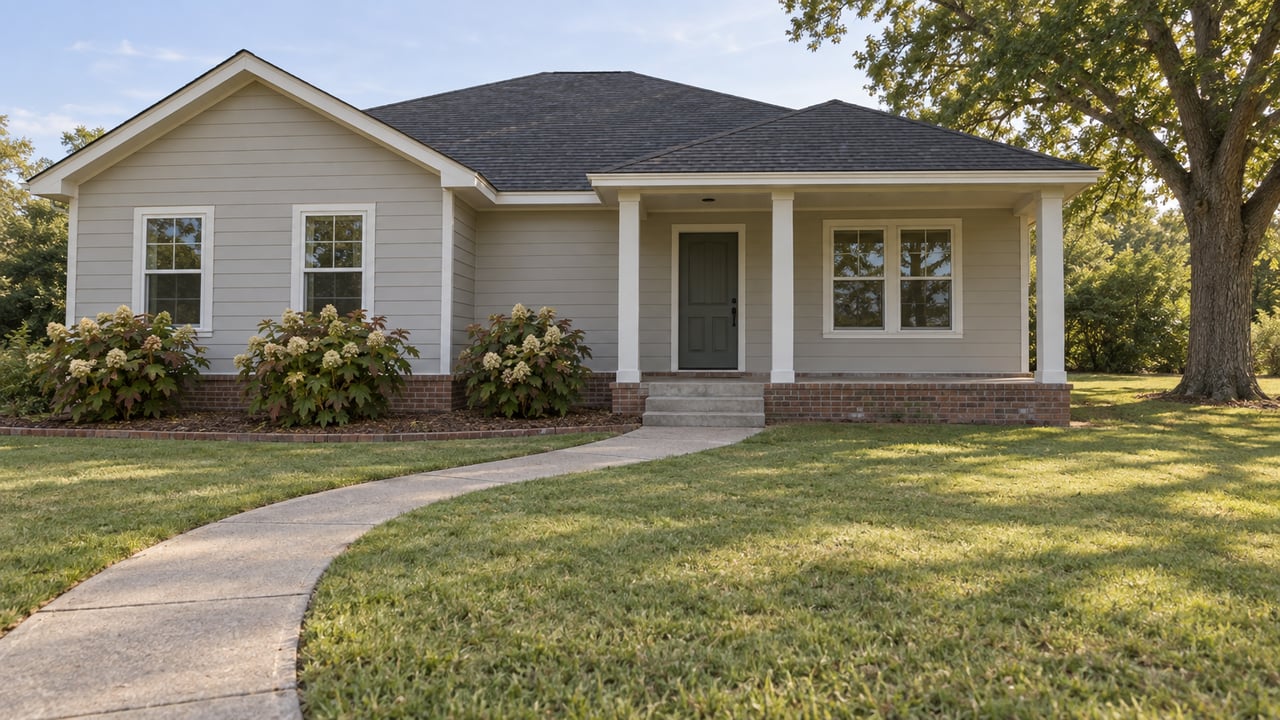
If you own a typical in-town Hartford home with common features and recent nearby sales, an online estimate can often give you a solid baseline. It may not land on the perfect list price, but it can put you in the right general range.
This is especially helpful early in the selling process. You can use the estimate to sense whether your home may be closer to the low, middle, or upper part of the local market before you make bigger decisions.
Core property facts
Online tools are usually good at reflecting basic facts already found in county records. Things like square footage, year built, lot size, and recorded condition often help the model form a reasonable estimate.
For many Hartford properties, those basics matter a lot. When the county record is accurate, the tool has a better shot at producing a number that feels directionally right.
Quick first-step screening
An online estimate can also work as a simple screening tool. If you are trying to decide whether now is the right time to sell, the number can help you judge whether the market may support your goals.
It is a fast way to start the conversation. You may learn that your expectations are close to market reality, or you may realize you need a more detailed review before moving forward.
Why different websites show different numbers
It is common to see one estimate on one site and a different number somewhere else. According to the Consumer Financial Protection Bureau, that happens because each tool may use different comparable sales, different timing, and different methods.
So if two websites disagree, that does not automatically mean one is broken. It usually means both are estimates, not fixed facts. The numbers are best treated as a range, not a final answer.
Where online valuations get weaker in Hartford
Rural acreage is harder to model
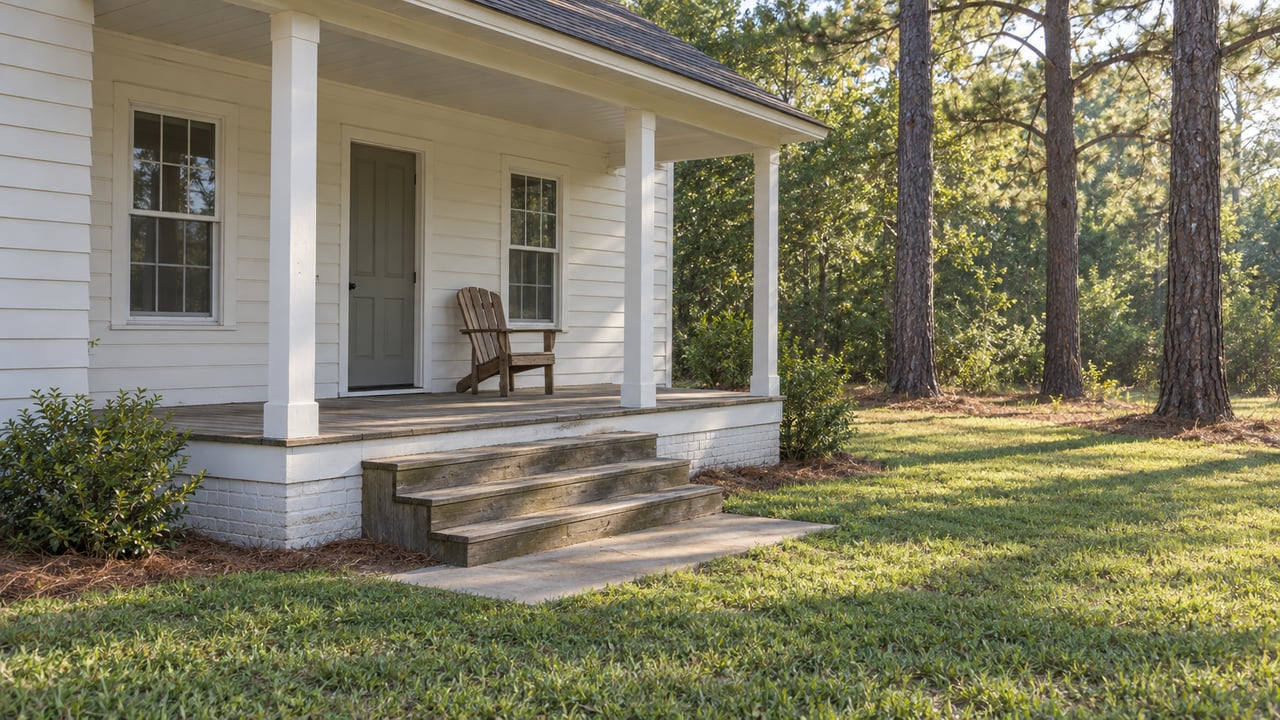
Hartford is not just a market of standard subdivision homes. Many sellers here own small acreage, farmland, timber tracts, ponds, or properties with a more rural setup.
Those properties can be much harder for an AVM to price well. Alabama’s Real Property section notes that special guidance is needed when there is not enough data to estimate the fair market value of unique properties. That matters in a smaller county market where there may be fewer truly similar nearby sales.
County size can limit good comps
Geneva County had an estimated population of 27,259 in July 2024. In a market of that size, there can be fewer recent sales that closely match a unique property.
If the model cannot find enough strong local comparisons, the estimate can become less reliable. That is often where sellers of acreage or one-of-a-kind homes see the biggest gap between an online number and real market behavior.
Land use can change the picture
Farm and timber parcels are a special case in Alabama. The state says qualifying agricultural and forest property may be valued for current use based on how the land is being used, not on speculative value tied to possible future development.
That means an online estimate based mostly on nearby residential sales may miss an important part of the story. If your property includes productive land, timber value, or current-use questions, a screen-based estimate may not capture that well.
Site details are easy to miss
Parcel shape, boundary lines, survey issues, and easements can affect how a property is valued and marketed. Alabama notes that tax maps are updated to show parcel boundaries and physical characteristics, including survey lines and easements.
Even so, online tools may not fully interpret how those details affect usefulness, access, privacy, or buyer appeal. Two parcels with the same acreage can perform very differently in the market if one has better layout or fewer access issues.
Why a walk-through still matters
An online estimate cannot truly see your property. It does not experience the condition of the interior, the flow of the floor plan, updates you have made, the quality of outbuildings, or the way the land lays.
That is where an in-person review adds real value. Fannie Mae describes property data collection as a full interior and exterior observation that records dimensions, condition, room count, photos, and floor plans. A local broker or appraiser brings that human layer of judgment that an automated tool cannot match.
Online estimate vs. appraisal
These two are not the same thing. The Consumer Financial Protection Bureau distinguishes AVMs from appraisals and notes that appraisals involve a licensed appraiser who makes adjustments using comparable sales.
That distinction matters if you are planning your sale. An online estimate can be a useful starting point, but it is not a replacement for an appraisal when one is required, and it is not the same as a tailored pricing strategy for your listing.
Should you trust tax value as market value?
Not automatically. In Alabama, property tax assessment uses appraised value multiplied by a class rate, and Class III property, including agricultural, forest, and owner-occupied residential property, is assessed at 10%.
Because tax value is part of a tax system, it should not be treated as the same thing as current market value. That is especially true if your property has current-use treatment or features that do not fit neatly into a simple residential comparison.
When an online valuation is most useful
For many Hartford sellers, an online estimate is worth checking when:
- You own a standard in-town home
- Your county records appear accurate
- There have been recent nearby sales of similar homes
- You want a quick starting point before a listing consultation
- You understand the number is a range, not a final price
Used this way, online valuations can save time and help you prepare. They are often best at opening the door to smarter next steps.
When local broker insight matters most
You should move beyond the online number when your property includes details that a model may not fully understand. In Hartford, that often includes:
- Small acreage or large acreage
- Farmland or timber land
- Waterfront or pond features
- Easements or unusual access
- Irregular parcel shape
- Current-use questions
- Outbuildings or improvements not reflected well in public records
- A property with few recent comparable sales nearby
This is where local experience can make a real difference. A hands-on review can help you separate what looks good on paper from what truly drives buyer interest and value.
The bottom line for Hartford sellers
Online valuations do get some things right. They are fast, data-driven, and often useful for setting a baseline price range, especially for standard Hartford homes with clean records and recent comparable sales.
But they are still estimates. If you are selling a rural, lifestyle, or land-based property in Hartford, the details that matter most often live beyond the screen. When acreage, land use, access, or unique features are part of the picture, a local pricing strategy usually tells you far more than an instant number ever can.
If you want a realistic value conversation built around your property, local market conditions, and the way buyers actually shop in the Wiregrass, reach out to Michael Dorriety for a free consultation or instant home valuation.
FAQs
Is an online home value estimate in Hartford the same as an appraisal?
- No. An online estimate is an automated calculation, while an appraisal is completed by a licensed appraiser using comparable sales and property-specific adjustments.
Why do Hartford online valuation websites show different home values?
- Different websites may use different comparable sales, different timing, and different algorithms, so the estimates can vary.
Are online home valuations accurate for rural property in Hartford, Alabama?
- They can be less reliable for rural homes, acreage, farmland, and timber tracts because those properties often have fewer closely comparable local sales and more unique land factors.
Should Hartford sellers use tax value as market value?
- No. Tax value is part of Alabama’s assessment system and does not automatically equal what a buyer may pay in the current market.
When should a Hartford seller talk to a local broker instead of relying on an online estimate?
- You should talk to a local broker when your property has acreage, current-use issues, easements, unusual site layout, or features that may not be fully reflected in county records.