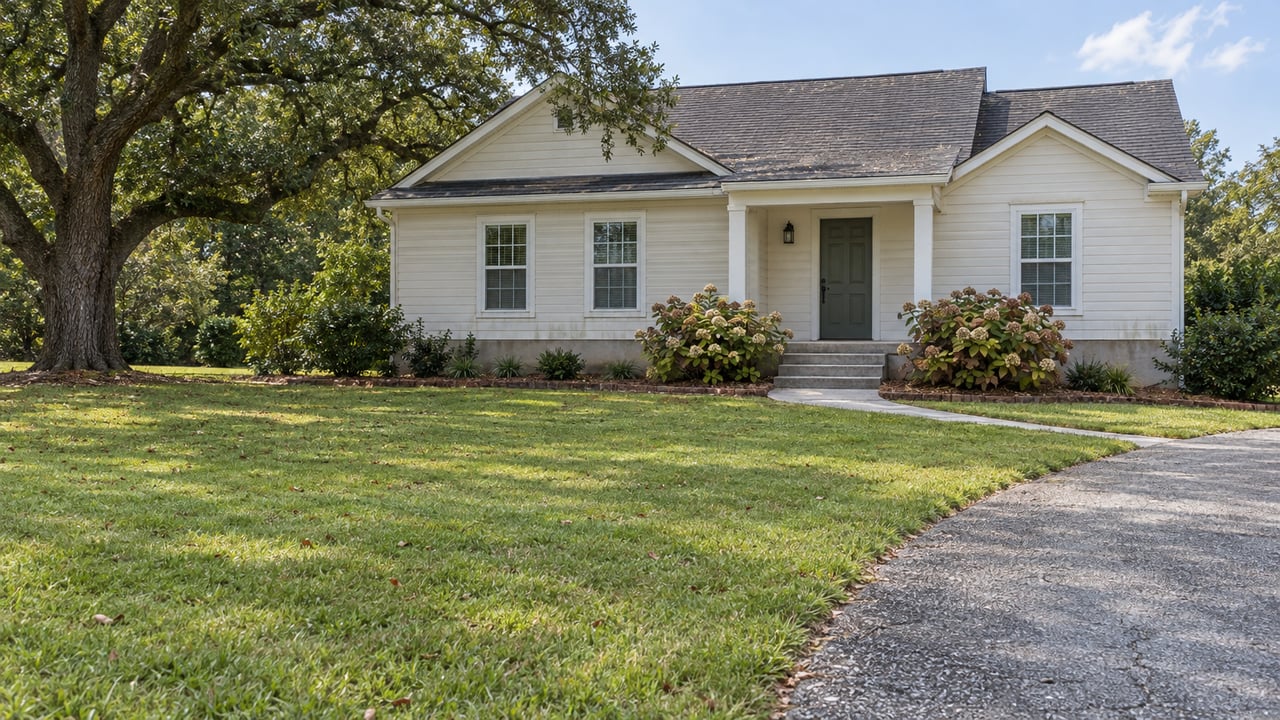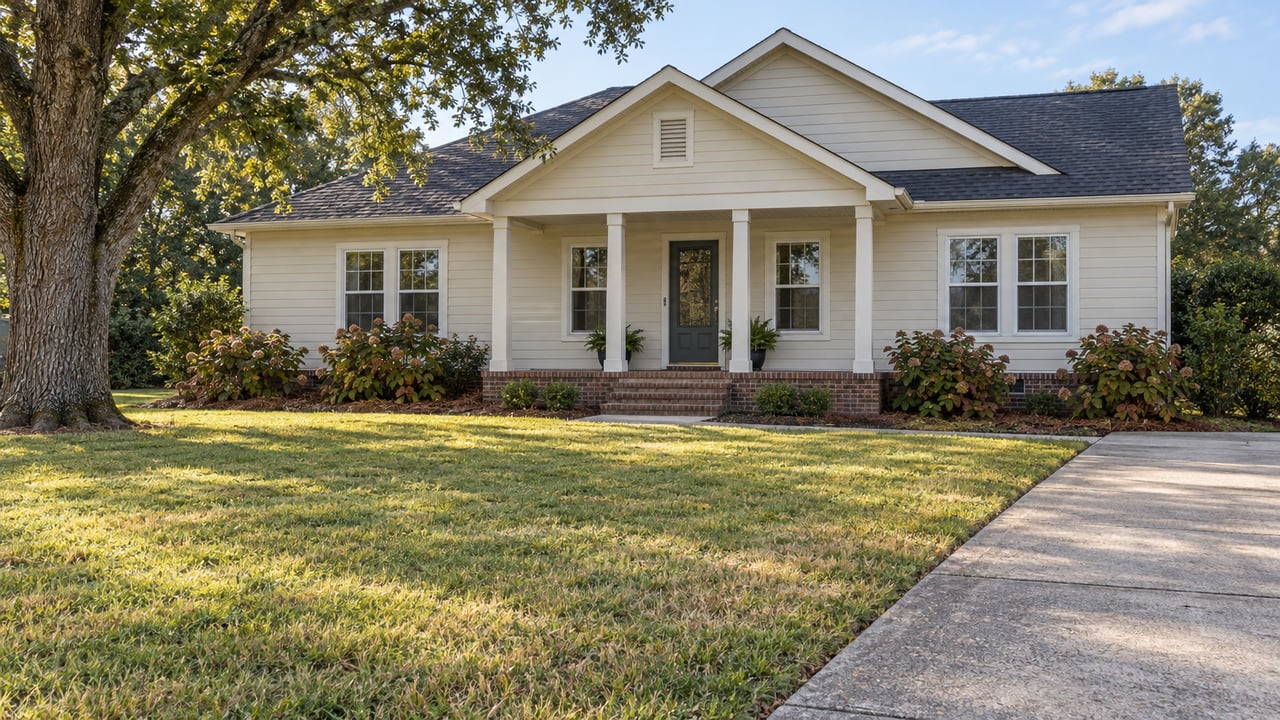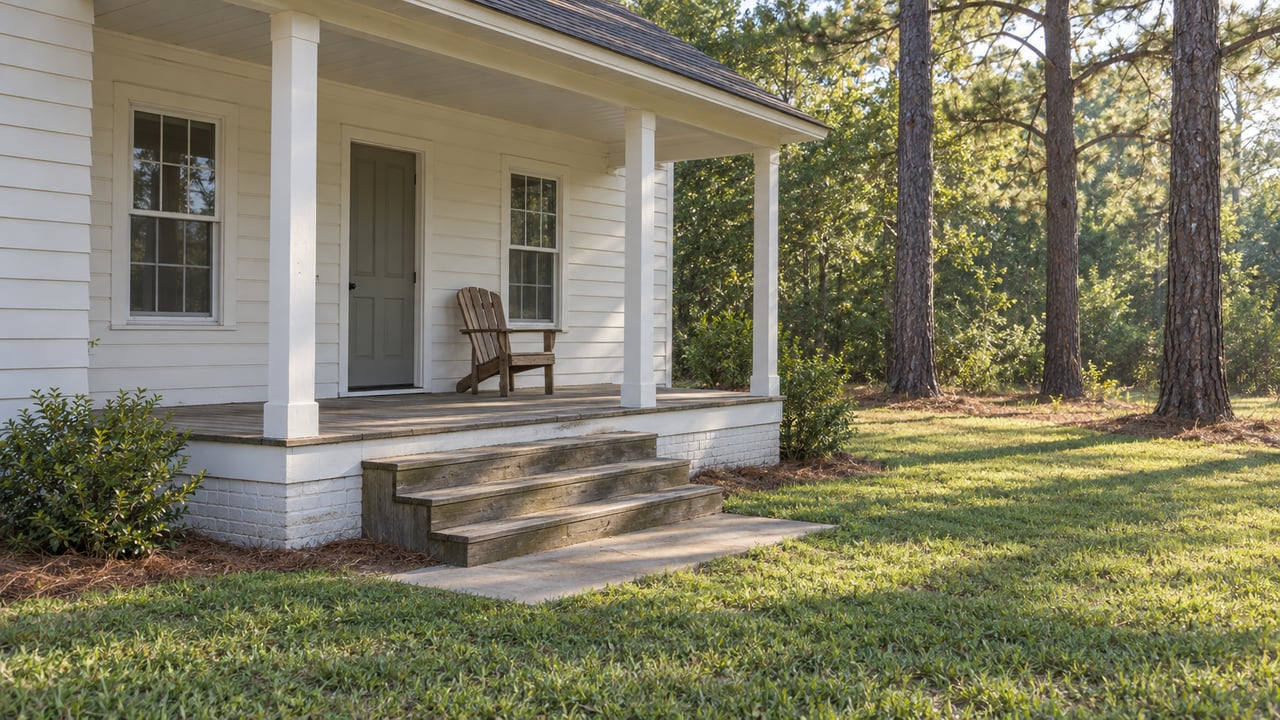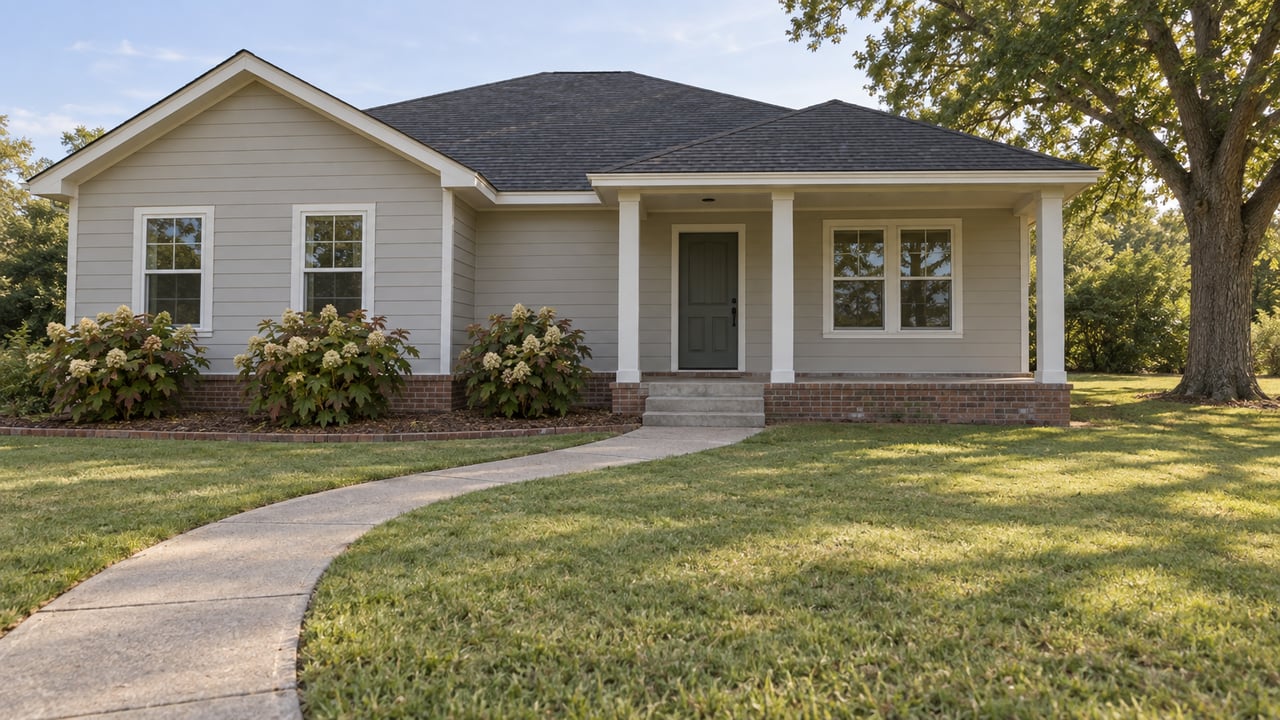
If you are looking at Troy investment properties, the first question is not just what can I buy? It is what kind of investment fits this market best? In Troy, you can find opportunities on both sides of the spectrum, from rental homes and small multifamily properties to farmland, timber tracts, and recreational land. If you want a clearer way to compare those options and think through risk, income, and long-term potential, this guide will help you sort through it. Let’s dive in.
Troy’s investment market at a glance
Troy is not a large metro market, and that matters when you are evaluating investment property. As of July 1, 2025, Troy had an estimated population of 18,022, with 6,397 households, a median household income of $50,717, a median gross rent of $922, and a 47.3% owner-occupied housing rate.
Those numbers point to a real rental base, but not a high-density rental market. In other words, Troy can offer solid investment opportunities, but it tends to reward patience and careful buying more than aggressive, fast-turn speculation.
That slower, more measured pace also shows up in listing activity. In April 2026, Troy had 199 homes for sale, 34 homes for rent, a median list price of $255,000, a median rent of $1,084 per month, and a median 69 days on market. Realtor.com identified Troy as a buyer’s market, which supports a more selective and conservative approach.
Rental properties in Troy
For many investors, rentals are the most familiar place to start. In Troy, the rental story is shaped by local households, workforce demand, and the presence of Troy University.
Troy University reported a Fall 2025 headcount enrollment of 14,353. That does not mean every investor should target student housing, but it does suggest a meaningful base of housing demand tied to students, employees, and people connected to the university.
Single-family rentals
Single-family rentals can be a practical fit in Troy because they often appeal to a broad group of renters. In a market like this, the stronger play is usually a well-located, functional home with everyday appeal rather than a luxury rental that depends on a narrow tenant pool.
The local numbers support that mindset. Census and Realtor.com data use different methods, but both point to moderate rent levels relative to home values and list prices. That means your margin for error may be tighter, so purchase price, repair costs, and ongoing maintenance matter a great deal.
If you are evaluating a single-family rental in Troy, focus on fundamentals like:
- Purchase price relative to likely rent
- Condition of major systems and deferred maintenance
- Layout and bedroom count for broad usability
- Ongoing repair demands
- Your expected vacancy and turnover costs
In a buyer’s market, there may be room to negotiate, but that does not remove the need for disciplined underwriting. A deal only works if the numbers still make sense after repairs, vacancy, and routine ownership costs.
Small multifamily properties
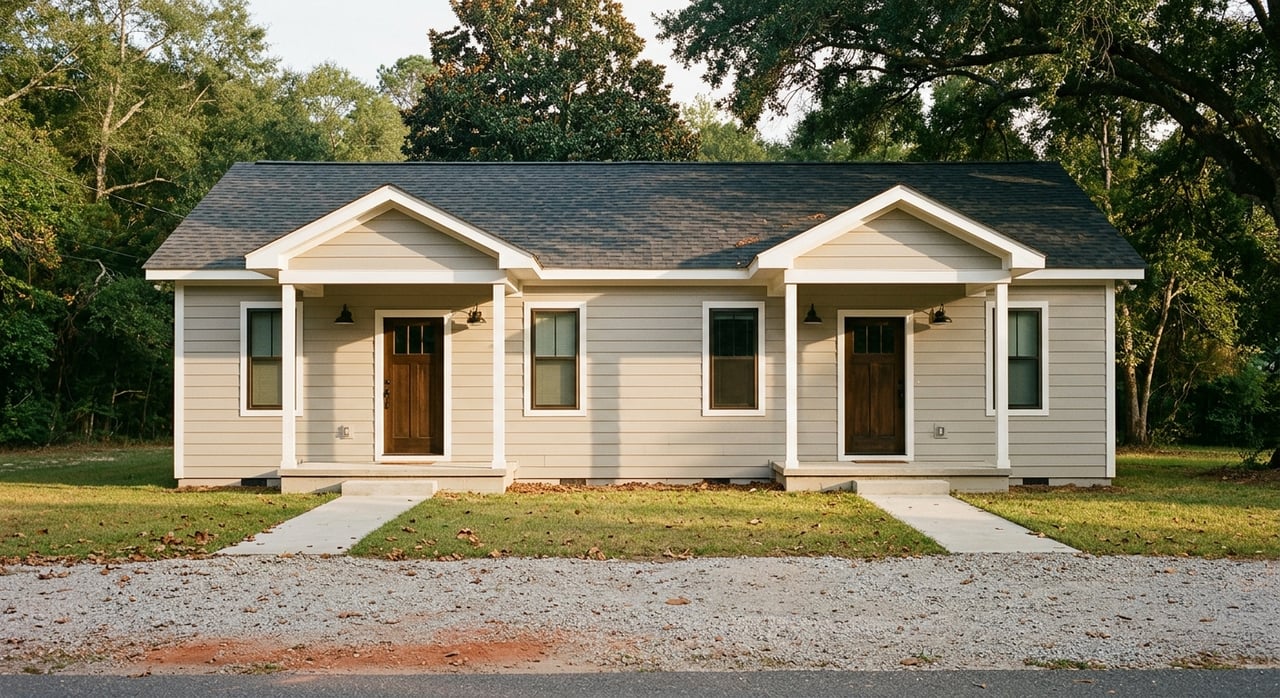
Small multifamily can also make sense in Troy, especially if you want more than one income stream without stepping into a large commercial-style asset. Duplexes, triplexes, and smaller apartment buildings may appeal to investors who want scale while staying in a manageable property type.
At the same time, Troy is still a niche multifamily market rather than a deep institutional one. The city’s size, combined with limited rental inventory, suggests that small multifamily may offer opportunity, but not in endless supply.
That means you may need to act with patience and flexibility. The right asset could be attractive because it offers multiple units, but you still need to study location, condition, lease structure, and expected maintenance before making a move.
What landlords should know in Alabama
If you buy rental property in Troy, the legal side of ownership deserves as much attention as the purchase itself. In Alabama, residential landlord-tenant relationships are governed by the Uniform Residential Landlord and Tenant Act.
For a practical investor, the biggest takeaway is simple: lease language, notice procedures, and documentation matter. Alabama court guidance shows that eviction and unlawful-detainer steps can depend on the lease type and the reason for termination, so you want your records and processes in order from day one.
Alabama law also includes rules on landlord access to a unit in ordinary situations. For you, that means entry, notice, maintenance coordination, and communication with tenants should be handled with care and consistency.
Property taxes matter too. In Alabama, property taxes are assessed locally at the county level, so Troy investors should expect to work through Pike County offices. The Alabama Department of Revenue states that the lien date is October 1, taxes are due the following October 1, and taxes become delinquent after December 31.
Rural land around Troy
If rentals feel too management-heavy, rural land may be the investment category that better fits your goals. Around Troy, rural property can include farmland, timberland, mixed-use acreage, and recreational tracts.
Pike County’s 2022 Census of Agriculture counted 561 farms covering 149,349 acres, with an average farm size of 266 acres. Woodland accounted for 70,253 acres of farm land, and livestock, poultry, and related products made up 96% of farm sales.
That profile suggests a local landscape where mixed-use pasture and woodland holdings may be more common than large row-crop operations. For buyers and investors, that can open the door to properties that serve more than one purpose, such as grazing, recreation, timber, or long-term hold potential.
Farmland and mixed-use acreage
Farmland in the Troy area may appeal to buyers who want a working asset, a future homesite, or a land-based long-term hold. Some tracts may be useful for agricultural production, while others may work best as a blend of open ground and wooded acreage.
This is where practical local knowledge matters. A property may look good on paper, but the real investment story often depends on access, topography, current use, tax treatment, and how the land can realistically be managed over time.
For buyers who like the idea of flexibility, mixed-use acreage can be especially appealing. A tract with both pasture and woods may offer more than one path forward, which can matter if your goals change over time.
Timber and recreational tracts
Timber and recreational land are a different kind of investment from rentals. They generally do not depend on lease-up and monthly tenant management. Instead, they are more about access, stewardship, carrying costs, and a longer holding period.
Alabama’s Forest Resource Report 2024 states that the state has 22.92 million acres of timberland, and about 93.4% of that timberland is privately owned. The Alabama Forestry Commission also describes forestry as a major rural industry and notes that timberland investment can return value over decades.
For Troy-area buyers, that supports timber and recreational land as a legitimate asset class. If you are comfortable thinking long term, these properties can fit buyers who value land use, future harvest potential, outdoor recreation, and gradual appreciation more than immediate monthly cash flow.
Tax points that can shape returns
Taxes can influence how an investment performs over time, especially with rural land. In Alabama, Class III property includes agricultural, forest, and single-family owner-occupied residential property, and it is assessed at 10%.
Certain agricultural and forest property may also qualify for current use valuation if the owner files the proper application. That can be an important detail for land buyers, because tax treatment may affect your annual carrying costs.
The Alabama Department of Revenue’s 2025 millage schedule lists Pike County’s county total at 12.75 mills and Troy’s municipal millage at 7.0 mills. The same schedule also shows a statewide timberland tax of $0.10 per acre. Since school millage varies by district, it is wise to verify the specific tax picture for any property you are considering.
Rentals vs. rural land
The best investment in Troy depends less on trend-chasing and more on matching the asset to your goals. Rentals and rural land can both make sense, but they behave very differently.
Here is a simple way to think about the difference:
| Asset Type | What Drives Performance | Main Ongoing Demands | Typical Mindset |
|---|---|---|---|
| Single-family rental | Rent, occupancy, repair control | Leasing, maintenance, compliance | Income-focused |
| Small multifamily | Multiple rent streams, occupancy | Management, repairs, turnover | Scale-focused |
| Farmland or mixed-use acreage | Use flexibility, tax treatment, land value | Stewardship, taxes, access planning | Long-term hold |
| Timber or recreational land | Long-term land value, timber potential, use value | Stewardship, carrying costs, time horizon | Patient investor |
If you want regular income and are comfortable with management, rentals may be the better fit. If you prefer a land-based asset with a longer time horizon and less day-to-day tenant involvement, rural acreage may be more attractive.
A smart strategy for Troy investors
The current Troy market supports a careful and selective approach. With a buyer’s-market label and a median 69 days on market, you may have more room to evaluate options and negotiate than you would in a tighter market.
That does not mean every listing is a deal. It means you have a chance to be patient, underwrite conservatively, and focus on assets with clear utility and realistic upside.
A smart Troy investment strategy often comes down to a few basic principles:
- Buy for durable demand, not hype
- Use conservative rent and expense assumptions
- Pay close attention to repairs and deferred maintenance
- Understand local tax timing and property classification
- Match your holding period to the asset type
- Think through management needs before you buy
For rentals, that may mean favoring practical homes or smaller multifamily properties with broad appeal. For land, it may mean focusing on access, current use potential, and realistic long-term stewardship.
Why local guidance matters
Investment property is never just about a spreadsheet. In Troy and across Pike County, the right decision often depends on details you only catch when you understand the local market, land uses, and ownership realities.
That is especially true when you are comparing in-town investment property with rural tracts. A rental house, a duplex, a pasture tract, and a timber parcel all require different questions, different due diligence, and different expectations.
If you want help sorting through Troy investment properties, from rentals to rural land, working with someone who understands both sides of that market can save you time and help you make a more grounded decision. When you are ready to talk through your options, connect with Michael Dorriety for a practical, local perspective.
FAQs
What makes Troy, Alabama appealing for investment property?
- Troy offers a mix of rental demand, moderate pricing, and rural land opportunities. The market data also points to a buyer’s-market environment that may favor patient, selective investors.
What types of rental properties are common investment options in Troy?
- Single-family rentals and small multifamily properties like duplexes and triplexes are the most practical categories discussed for Troy, based on the city’s size, rental inventory, and demand profile.
What supports rental demand in Troy, Alabama?
- Troy has a real renter base, and Troy University’s Fall 2025 enrollment of 14,353 suggests added housing demand connected to students and employees.
What should landlords in Troy know about Alabama rental law?
- Alabama residential landlord-tenant relationships are governed by the Uniform Residential Landlord and Tenant Act, and lease terms, notice procedures, entry rules, and documentation all matter.
What kinds of rural land investments are common near Troy?
- Around Troy, investors may find farmland, timberland, recreational tracts, and mixed-use acreage with combinations of pasture and woodland.
How are property taxes handled for investment property in Pike County?
- Property taxes are assessed locally through county offices. The lien date is October 1, taxes are due the following October 1, and taxes become delinquent after December 31.
Can farmland or timberland get favorable tax treatment in Alabama?
- Agricultural and forest property may fall under Class III property and may qualify for current use valuation if the required application is filed.
Is Troy better for flipping or long-term investing?
- Based on the available market data, Troy appears better suited to patient, income-oriented or long-term investment strategies than fast-turn flipping.