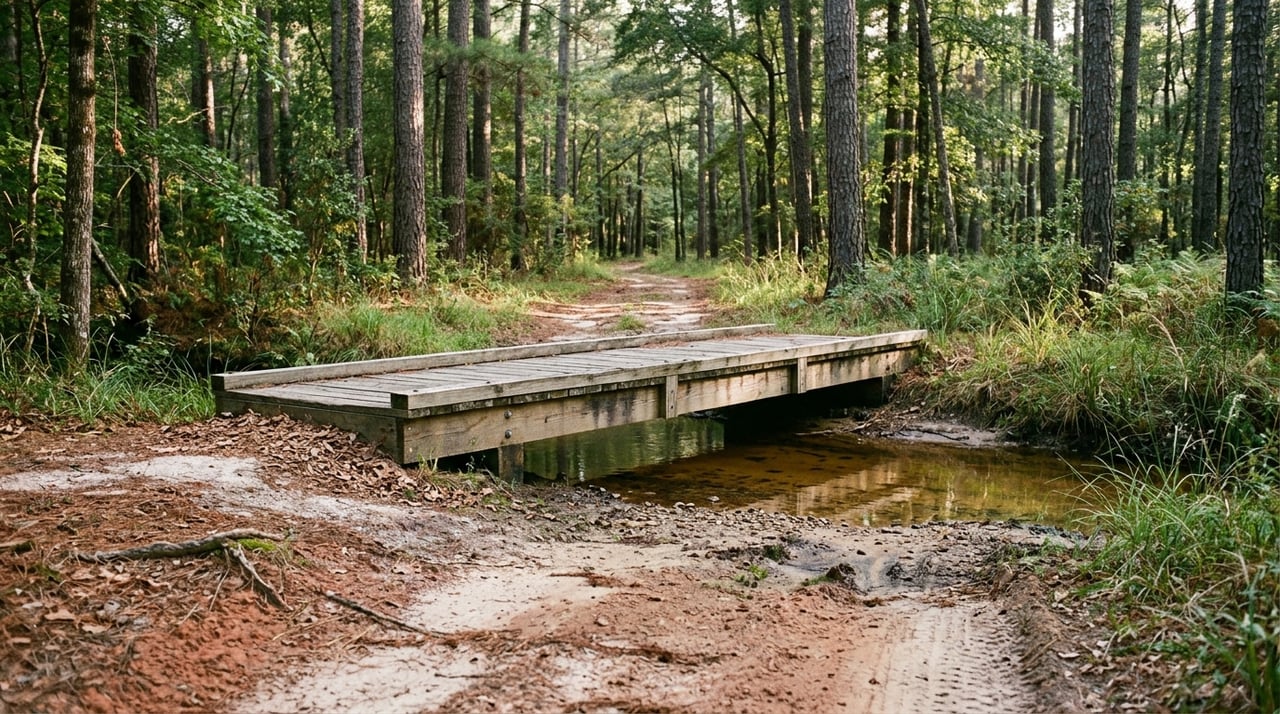
Looking for recreational or hunting land near Samson? You are shopping in a part of southeast Alabama where woods, pasture, and water all shape the land market. If you want a tract that fits your weekends, your long-term plans, and your budget, it helps to know what the land around Samson is really like before you buy. Let’s dive in.
Why Samson Appeals to Land Buyers
Samson sits in western Geneva County, in the far southeastern corner of Alabama. This is a rural land market, not a dense suburban one. According to Atlas Alabama’s Samson profile, Geneva County includes 574.49 square miles of land area and had a 2020 Census population of 26,659.
That bigger setting matters when you are evaluating land. You are not just buying a property line on a map. You are buying into a landscape that is shaped by farming, timber, open ground, and outdoor recreation.
The county’s agricultural profile supports that picture. The USDA 2022 county profile for Geneva County reports 681 farms, 160,853 acres in farms, and an average farm size of 236 acres. The same profile, along with the Alabama Forestry Commission’s reporting, shows a strong mix of pasture and timberland across the county.
What Land Types You’ll See
Wooded Tracts Are Common
If you picture hunting land around Samson, wooded acreage will likely come to mind first. That makes sense in Geneva County, where the Alabama Forestry Commission reports 196,847 acres of timberland. Much of the area’s appeal for recreation comes from that forested character.
A good public example is Geneva State Forest, which covers 7,200 acres and is made up mostly of longleaf pine. The Forestry Commission notes that timber production is the primary objective there, with wildlife and recreation as secondary objectives. That is a useful model for private land buyers because it shows how working land and recreation can overlap.
Pasture and Open Ground Matter Too
Not every tract near Samson is all timber. The USDA reports 25,510 acres of pastureland in Geneva County farms, so many properties include some combination of woods and open ground. For buyers, that can be a major plus.
A mix of open and wooded acreage can make a property more flexible for trail use, food plots, equipment access, or future land management. The Alabama Forestry Commission’s stewardship guidance also emphasizes multiple-use management, where land can support timber, wildlife habitat, watershed protection, and recreation at the same time.
Water Features Add Value to Use
Water tends to stand out on recreational property, whether you want to fish, camp, or simply enjoy the setting. Public examples in the area show why water-feature parcels attract attention. Geneva State Forest includes a 100-acre lake, and the Geneva County Public Fishing Lake area information highlights the region’s outdoor appeal.
The research also notes that the Geneva County Public Fishing Lake reopened in June 2024 with two lakes totaling 65 surface acres. Those lakes are managed for species including largemouth bass, bluegill, redear sunfish, channel catfish, and crappie in most lakes. When private property includes a pond, creek, or other water feature, that same recreational appeal often becomes part of the buying decision.
What Makes a Good Hunting Property
Wildlife Habitat Is About More Than Acreage
A large tract can be appealing, but size alone does not tell you how usable or enjoyable a property will be. Habitat diversity often matters just as much. The Geneva State Forest example shows how pine cover, openings, and active management practices such as controlled burning can help create better wildlife conditions.
The Forestry Commission explains that controlled burning in longleaf systems helps regeneration and improves forage for wildlife. For a buyer, that is a practical reminder that a tract with cover, openings, and a management history may offer better day-to-day use than land with only one landscape type.
Common Game in Alabama
If hunting is part of your goal, it helps to understand the broader state context. According to Outdoor Alabama’s hunting overview, Alabama hunters have access to more than 1.3 million acres of public hunting land. The state lists common game species including white-tailed deer, wild turkey, mourning doves, bobwhite quail, feral hogs, waterfowl, rabbits, and squirrel.
Outdoor Alabama also states that deer are the state’s top game animal and turkey is the second most popular. Around Samson, Geneva State Forest’s habitat is described as supporting deer, turkey, quail, rabbit, fox, bobcat, squirrel, and other wildlife. That makes the area a natural fit for buyers who want land with hunting and general outdoor-use potential.
Feral Hogs Are a Real Management Issue
One practical issue buyers should not overlook is feral hog activity. Outdoor Alabama reports that feral hogs now occur in all 67 Alabama counties and can damage crops, habitat, and other natural resources. If you are buying land for hunting, recreation, or even mixed farm use, that matters.
The takeaway is simple: wildlife presence is only part of the story. Long-term enjoyment often depends on how manageable the property is over time, not just what you see on your first visit.
Access Can Make or Break a Tract
One of the biggest questions to ask about any recreational parcel is how you will move through it. At Geneva State Forest, vehicle travel is limited to maintained roads and trails, and the forest also has primitive roads for trail riding. That public-land example highlights what private buyers should evaluate closely.
When you walk a tract, pay attention to:
- Road frontage
- Gate placement
- Internal trails or primitive roads
- How easy it is to move equipment
- Whether guests can circulate safely and easily
- How usable the property feels in wet conditions
A parcel may look great on paper but feel far less practical if access is limited or internal movement is difficult. For hunting weekends, trail riding, camping, or general family use, circulation plays a major role in how often you will actually enjoy the land.
Year-Round Use in the Samson Area
The climate around Samson supports outdoor use for much of the year. Nearby NOAA climate normals for Enterprise 4 W show average January and July highs of 61.0°F and 91.5°F. The same data shows 57.9 inches of annual precipitation and essentially no snowfall.
For buyers, that means you can typically think in terms of multi-season use rather than a short outdoor window. At the same time, summer heat, humidity, and rainfall make drainage and upkeep important. A property that handles water well and is easier to maintain may be more enjoyable in the long run than one that becomes difficult after heavy rain.
Think About Management From Day One
A recreational tract is not just something you buy. It is something you manage. Around Samson, that can include timber care, trail maintenance, habitat work, road upkeep, and responding to issues like invasive pressure or feral hog damage.
The good news is that landowners in Alabama have access to support. The Alabama Forestry Commission offers free professional forestry assistance and stewardship planning, including help with landowner objectives, stand recommendations, and management plans. That can be especially helpful if you are buying timbered or mixed-use land and want to balance recreation with long-term value.
A Simple Buyer Checklist
Before you make an offer on recreational or hunting land around Samson, focus on the basics that affect real-world use:
- Access: Is entry simple, legal, and practical?
- Habitat mix: Does the tract include woods, open space, or both?
- Water: Is there a pond, creek, lake access, or wet area to evaluate?
- Internal circulation: Can you move around the property with ease?
- Maintenance needs: How much work will roads, trails, drainage, or vegetation require?
- Management potential: Does the land support your goals over time?
These questions matter because the Samson area is best understood as a country-land market built around woods, pasture, and water. The right tract is not always the one with the most acreage. It is the one that best matches how you want to use it.
Final Thoughts on Samson Land
Recreational and hunting land around Samson can offer a lot of what rural buyers are looking for: timbered ground, open areas, water features, and a setting that supports hunting, fishing, trail riding, and weekend use. But the best purchase usually comes down to the details, especially access, habitat mix, water, and ongoing management.
If you want practical guidance on evaluating lifestyle and rural property in this part of southeast Alabama, Michael Dorriety can help you think through how a tract fits your goals, both now and over the long run.
FAQs
What types of recreational land are common around Samson, Alabama?
- Around Samson, you will commonly find wooded tracts, mixed pasture-and-timber parcels, and some properties with ponds or other water features.
What wildlife should you consider on hunting land near Samson?
- In this part of Alabama, buyers often think about deer and turkey first, but the broader hunting context also includes quail, rabbits, squirrel, doves, waterfowl, and feral hogs.
What should you check first on recreational property in Geneva County?
- Start with access, internal trails or roads, habitat mix, water features, and how much maintenance the land may need through the year.
How does climate affect land use around Samson, Alabama?
- The area is usable for much of the year, but warm summers, high rainfall, and humidity make drainage, trail conditions, and general upkeep important.
Why does land management matter on hunting property near Samson?
- Long-term recreational value often depends on how well the property is managed, including habitat work, timber care, access maintenance, and response to issues like feral hog damage.