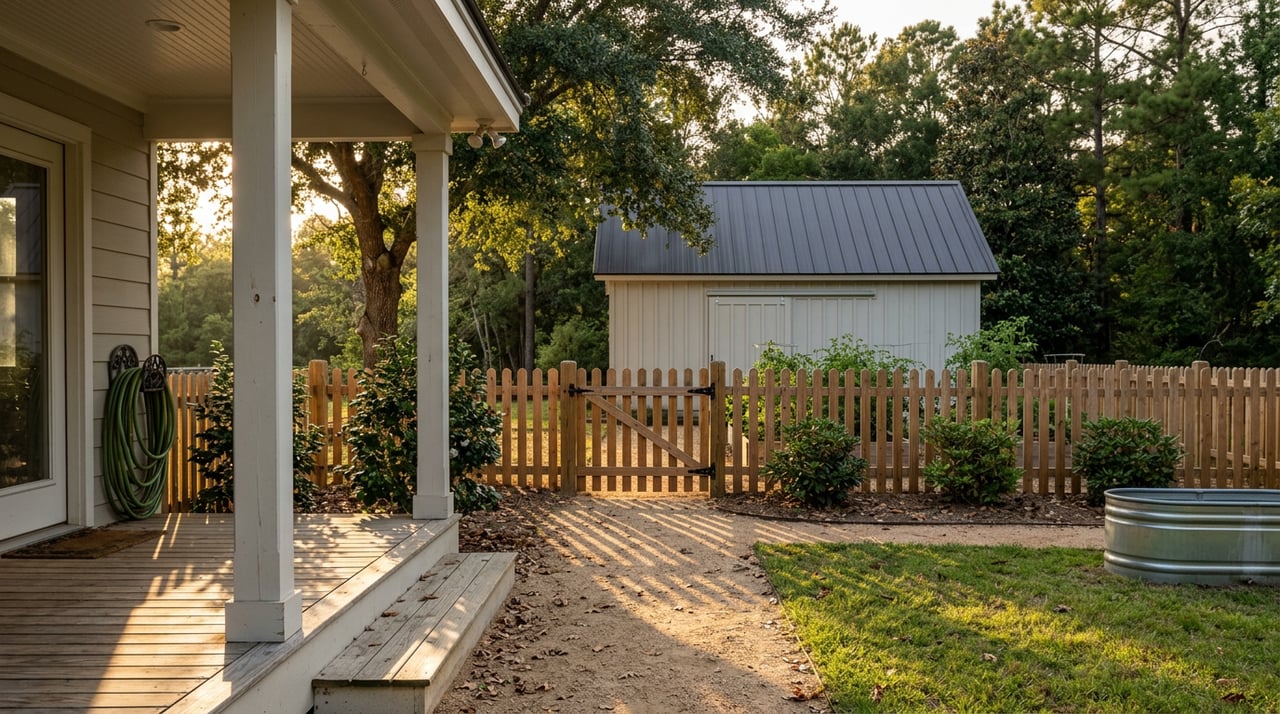
Thinking about trading HOA meetings for quiet mornings, fresh eggs, and a garden that keeps going well into fall? If mini-farm living near Enterprise has been on your mind, you are not alone. Many buyers want more room, more self-reliance, and a simpler pace without giving up access to town. In this guide, you will learn what land to look for, how to check soils and permits, what animals and crops work well here, and where to find local support. Let’s dive in.
Why Enterprise fits a mini-farm
Enterprise sits in Alabama’s Wiregrass region with hot summers, mild winters, and plenty of rain. That long growing season is a big win for home orchards and productive gardens. The area is generally USDA hardiness zone 8b, which supports peaches, figs, winter greens, and heat-loving summer vegetables. You can confirm local climate context and location details through the overview on Enterprise, Alabama.
You also have practical support close by. The Coffee County office of the Alabama Cooperative Extension provides workshops and one-on-one help for home gardening, small livestock, and 4-H. It is one of the best first calls when you are planning a mini-farm. Explore programs and contact details at the Coffee County Extension.
Pick your acreage fit
1–2 acre micro-homestead
- Raised garden beds and a small greenhouse for starts.
- 4–6 laying hens with a coop and secure run.
- A couple of fruit trees, compost area, and a toolshed.
- If inside city limits, check building permits and allowed uses on the City of Enterprise website.
3–10 acre mini-farm
- Room for a larger garden and orchard rows.
- Fenced pasture for goats or sheep, plus a run-in shelter or small barn.
- A paddock that can support one horse with rotation and supplemental feed.
- Basic shop or storage building, driveway gate, and secure road frontage.
- Fencing and feed supplies are available at the Tractor Supply Enterprise store.
10–50+ acre small farm or equestrian setup
- Multiple paddocks, a full barn with tack room, and a riding arena or round pen.
- Space for light hay fields and a mix of open ground and timber.
- More privacy and flexibility for rotational grazing and long-term plans.
Land and soil checks before you buy
Soils drive success. Texture, drainage, and depth affect gardens, orchards, septic systems, and pastures. Before you write an offer, review parcel soils through county and NRCS resources. Historical and modern Coffee County soil maps are a good start: see the Coffee County soil map collection.
If a property features a pond or a low-lying area, ask about dam safety and mapped floodplain. Flood zones can change your insurance and building plans. Check your parcel’s flood panel at the FEMA Flood Map Service Center.
Finally, look for recorded easements and verify any “no restrictions” language. Some tracts marketed as unrestricted still carry deed conditions. The Coffee County Revenue office can help confirm parcel status and tax classification.
Utilities, permits, and practical steps
Inside city limits, you will work with the City of Enterprise for building permits, setbacks, and inspections. Permit forms and contact info are posted on the City of Enterprise website. Outside the city, many parcels rely on a private well and a septic system. Plan for a site evaluation and permits through the local health department. Use the NACCHO local health department directory to locate the Coffee County office and confirm septic rules.
If you hope to add animal shelters, barns, or a workshop, outline your plan early. Setbacks, drive placement, and future utility runs are easier to handle before fencing or planting goes in.
Animals, feed, and vet support
Backyard chickens, bees, and small ruminants like goats and sheep fit well on mini-farms here. For best practices on housing, biosecurity, and herd health, lean on the Coffee County Extension. If you are inside a subdivision or city limits, confirm any HOA or municipal limits on animal types.
For supplies, the Tractor Supply Enterprise store stocks fencing, feeders, and common feed. Establish a relationship with a local vet clinic before you bring animals home. Enterprise has small-animal clinics, and you can confirm services and hours for locations such as Enterprise Animal Hospital. If you keep horses, ask about large-animal coverage and emergency options in advance.
Planting and growing basics in zone 8b
With mild winters and long summers, you can grow a wide variety of crops. Home orchards often include figs and peaches. Winter and spring are great for leafy greens and cool-season vegetables. Summer heat favors okra, sweet potatoes, southern peas, and other heat-tolerant crops. Even with regular rain, plan for irrigation during hot, dry spells. Soil testing is a smart first step, and the Coffee County Extension can advise on sampling and amendments.
Humidity and warmth also increase insect and disease pressure. Ask Extension for integrated pest management tips that fit our local climate. Good airflow, crop rotation, and resistant varieties make a big difference.
Budgeting your mini-farm
Be realistic about start-up and ongoing costs. Common line items include:
- Fencing, gates, and a secure driveway entrance.
- Well drilling and pump components if not on public water.
- Septic system installation and permits.
- Barn or run-in shelter materials, plus a small toolshed or shop.
- Hay and feed, especially for winter or dry spells.
- Veterinary care, vaccinations, and routine supplies.
- Property insurance that accounts for outbuildings and weather risks.
- Basic equipment and tools. Many owners start with a compact tractor, utility cart, and core hand tools.
Selling surplus and joining the community
If your garden or orchard produces more than you can use, local markets are a friendly outlet. Enterprise hosts an active farmers market where producers gather to sell and share. You can explore dates and nearby options through this Enterprise farmers market directory. Extension programs and local 4-H events also create a strong learning and support network.
Seasonal risks and preparedness
South Alabama can see severe thunderstorms, tornadoes, and impacts from tropical systems. Use that reality as a planning tool. Site your home and barns with drainage in mind. Consider a safe room, secure anchor points for shelters, and a plan for animals during storms. For parcels with creeks or low ground, verify flood zones on the FEMA Flood Map Service Center before you buy and again before you build.
Quick buyer checklist
- Call the Coffee County Extension for site-specific guidance on soils, forage, and livestock.
- Pull Coffee County soil maps and review drainage and suitability using the county soil map collection.
- Check flood panels on the FEMA Flood Map Service Center.
- Confirm parcel status, taxes, and recorded easements with the Coffee County Revenue office.
- If inside city limits, review permits and setbacks on the City of Enterprise.
- Contact the local health department via the NACCHO directory for septic rules and permits.
- Speak with local vets and the Tractor Supply Enterprise store about feed, fencing, and emergency care plans.
- Order a professional boundary survey and complete a title search to surface easements, mineral rights, and any deed restrictions.
Ready to find the right acreage for your goals and budget? Work with a local, farmer-broker who understands soils, fencing, and the lifestyle you want. Reach out to Michael Dorriety for a friendly, no-pressure consultation and a clear plan for your next move.
FAQs
What makes Enterprise ideal for mini-farms?
- You get a long growing season in USDA zone 8b, practical access to supplies in town, and local support from the Coffee County Extension for gardening and small livestock.
How do I verify if a parcel can support a septic system?
- Ask for a site evaluation and permits through the local health department. Use the NACCHO directory to locate the Coffee County office and confirm requirements.
Do I need flood insurance for rural property near Enterprise?
- It depends on the mapped flood zone for your parcel. Check your flood panel at the FEMA Flood Map Service Center and speak with your insurer before closing.
How much land should I budget per horse?
- Many owners plan for about 1–3 acres per horse for turnout and forage, then adjust with rotational grazing and supplemental feed based on pasture condition.
Where can I get help choosing crops and controlling pests?
- The Coffee County office of the Alabama Cooperative Extension offers planting calendars, soil testing guidance, and integrated pest management tips for our climate.
Are there local places to sell garden surplus?
- Yes. Enterprise hosts an active farmers market, and nearby communities offer seasonal markets and fairs where you can sell produce and value-added goods.