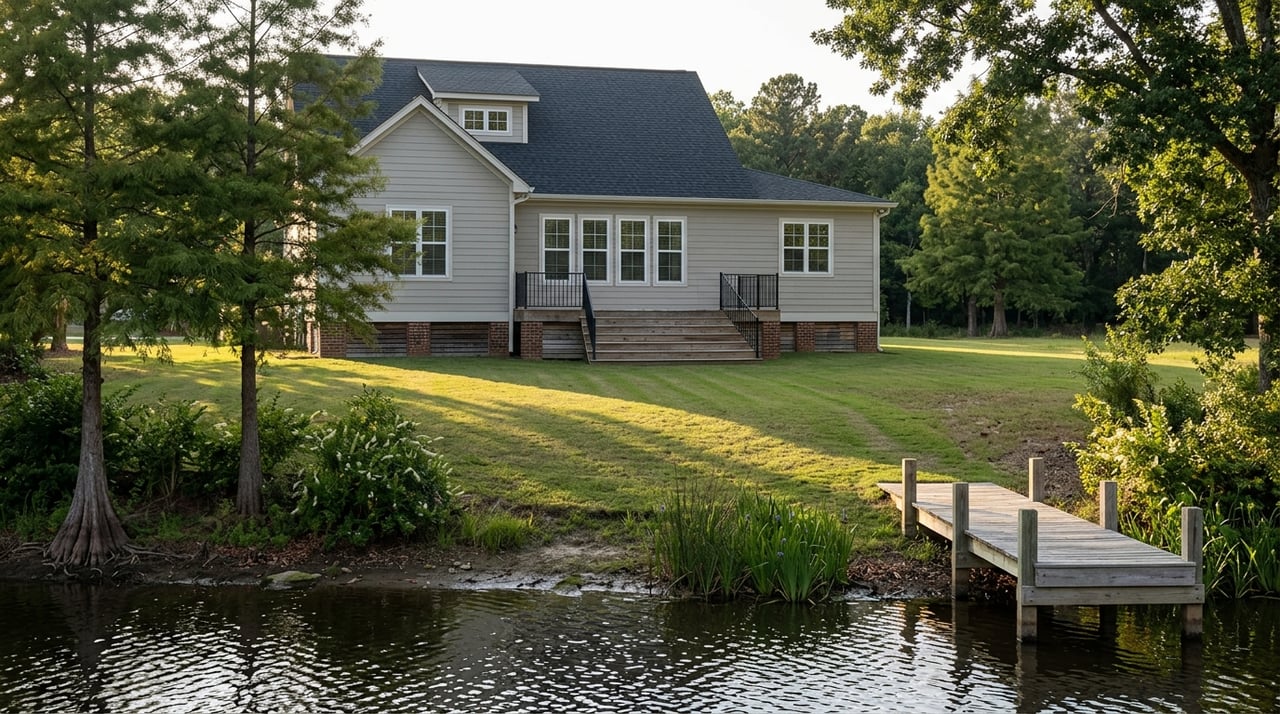
If you are thinking about selling riverfront property near Gordon, you are not just selling dirt and a deed. You are selling access to the Chattahoochee, a specific kind of outdoor lifestyle, and a property story buyers will examine closely. The good news is that with the right prep, you can price more confidently, answer buyer questions clearly, and bring your property to market with fewer surprises. Let’s dive in.
Why Gordon Riverfront Property Stands Out
Gordon sits in Houston County along the Chattahoochee River, and that setting shapes how buyers see waterfront property here. The river is part of the area’s identity, with a long history tied to transportation, recreation, and outdoor use.
For many buyers, the appeal is bigger than the lot line. They are often looking at how the property connects to boating, fishing, privacy, wildlife, and weekend or full-time enjoyment. That means your marketing needs to show both the land itself and the experience of owning it.
A practical local detail also matters. The Gordon public boat ramp on the Chattahoochee recently reopened after erosion repairs and parking lot repaving, which keeps public river access part of the local conversation. If your property benefits from strong water access, nearby launch convenience, or a stable shoreline, those points may matter to buyers.
What Usually Drives Value
Access matters most
With waterfront property, frontage quality often matters more than raw acreage. Buyers want to know whether they are getting true deeded frontage, shared access, a usable path to the water, or simply land near the river.
In the Gordon area, boating and recreation are a real part of the market story. A parcel with practical water access can attract stronger interest than a larger tract with limited or awkward access. If your property has a clear route to the water, usable bank frontage, or features that support river use, those details should be documented and presented clearly.
Usable land affects pricing
Not every riverfront acre functions the same way. Buyers usually look beyond total size and focus on how much of the property is usable, buildable, and easier to insure.
Flood exposure can shape that conversation. If a structure is in a Special Flood Hazard Area, federally regulated lenders may require flood insurance, so buyers often want clarity early. In practical terms, the market usually responds better when sellers can show what parts of the property sit above flood-prone ground and how the land actually functions day to day.
Improvements can add appeal
Features like bank stabilization, riprap, shoreline work, boat slips, or other water-oriented improvements may improve value because they can support access and durability. They may also help buyers picture how the property can be used and maintained over time.
That said, waterfront improvements often lead to permit questions. On navigable rivers and creeks, items like boat slips, dredging, and shoreline stabilization may be subject to review by the U.S. Army Corps of Engineers, and some work may require separate state review or lease considerations. If your property includes this type of improvement, paperwork matters almost as much as the feature itself.
Recreation is part of the product
The Chattahoochee is widely recognized as a fishing and recreation corridor, and that shapes buyer demand near Gordon. Some buyers are looking for a homesite, while others are drawn to a weekend retreat, fishing camp, or general recreational use.
That does not mean every parcel supports every use. Still, when your property has the right combination of access, terrain, and documentation, recreational appeal can become a major selling point. The key is to present possibilities carefully and back them up with facts.
What to Gather Before You List
Start with deed and legal records
Before your property hits the market, gather your deed, survey, plat references, and any recorded easement documents. In Houston County, conveyance documents must include a complete legal description, metes-and-bounds information, and any relevant plat or plat-book reference.
This matters even more with riverfront property because buyers tend to ask detailed boundary and access questions. If there is any uncertainty about frontage, ingress, easements, or prior conveyances, it is much better to address it before listing than during negotiations.
Check recorded property information
Houston County offers online access to real property records, which can help confirm recorded deeds and related filings. This is useful if you need to verify ownership history, referenced documents, or older filings tied to the property.
If your property has a long ownership history or prior shoreline work, expect serious buyers to want documentation. A cleaner file upfront can reduce delays once you are under contract.
Pull together improvement history
If you added riprap, repaired erosion, cleared access to the water, or installed any dock-related feature, gather whatever records you have. Permit history, contractor invoices, and before-and-after photos can all help answer buyer concerns.
These records do two jobs. First, they help buyers understand what was done. Second, they can give buyers more confidence that the property has been maintained with care.
Be ready for direct questions
Alabama follows a caveat emptor framework for existing homes, which means sellers and agents generally do not have to volunteer defects unless asked, except for defects involving immediate health or safety risks. Even so, riverfront buyers often ask very specific questions.
You should be ready to answer direct questions accurately about flooding, erosion, shoreline stability, septic or well systems, dock history, permits, and repairs. If a technical issue comes up, it is smart to rely on documentation and let a licensed broker, attorney, surveyor, flood insurance professional, or engineer handle technical opinions.
Questions Buyers Will Ask
Is this true waterfront?
This is often the first question, and it goes deeper than distance to the river. Buyers want to know whether the property includes deeded frontage, shared access, or only nearby water views or proximity.
They may also ask where the boundary ends, whether the bank is usable, and whether any shoreline improvements are included in the sale. The more clearly you can answer these questions with documents and maps, the smoother your listing process will be.
Will flood insurance be required?
Flood status can affect financing, monthly costs, and buyer confidence. That is why sellers should avoid guessing about whether a structure is inside or outside a mapped flood area.
If buyers raise concerns, clear documentation is your best friend. FEMA flood maps and formal map-change processes exist for a reason, and a property that is priced without flood realities in mind can face friction later.
Was any shoreline or dock work permitted?
This is a common concern on waterfront sales. Buyers may ask whether bank work, riprap, dredging, dock features, or slips were properly reviewed or permitted.
If you have documentation, keep it organized and easy to share. If you do not, your broker can help you frame the conversation carefully and keep buyers focused on verifiable facts.
What can the property realistically be used for?
Near Gordon, many buyers are drawn to the Chattahoochee for recreation. They may imagine fishing, boating, a cabin, a future homesite, or simple weekend use.
Your listing should not overpromise. Instead, it should explain what is known about access, utilities, recorded boundaries, and flood conditions so buyers can evaluate the property with the right professionals.
How smooth will closing be?
On land and waterfront sales, closing often comes down to paperwork. Clean legal descriptions, recorded references, and organized supporting documents can make a big difference.
If title, survey, or deed issues show up late, they can slow everything down. Sellers who prepare early usually have a better chance of keeping the transaction on track.
How to Position Your Property Better
Lead with the right story
The strongest Gordon-area waterfront listings do not just say “riverfront.” They explain what kind of riverfront experience the property offers. That may include direct frontage, launch convenience, fishable bank access, privacy, or land that balances water enjoyment with practical use.
This is where local knowledge matters. Buyers from outside the area may not understand the difference between water proximity and workable access, so your marketing needs to make that distinction clear.
Show the land clearly
With lifestyle property, buyers want to understand shape, frontage, access routes, and how the parcel lays out near the water. Clear visuals and a straightforward property description help them picture the opportunity.
This is especially important for out-of-area buyers, who may be comparing several rural or waterfront properties at once. The easier you make it to understand the land, the stronger your listing becomes.
Price with realism
Waterfront pricing is rarely just about acreage. It is about frontage quality, usable ground, access, improvements, and risk factors.
A property with strong access and clean documentation may justify better pricing than a larger tract with flood complications or unclear boundaries. A practical pricing strategy helps you attract serious buyers instead of spending weeks correcting the market.
Why Local Guidance Helps
Selling riverfront property near Gordon takes more than a standard listing approach. Buyers are often evaluating a mix of lifestyle appeal, technical property details, and long-term usability.
That is where local, hands-on guidance can make a real difference. When your broker understands land, rural property marketing, and how waterfront buyers think, you are better positioned to highlight strengths, prepare for questions, and move toward closing with fewer surprises.
If you are getting ready to sell riverfront property near Gordon, working with a broker who understands waterfront and rural land can help you present the property clearly and market it to the right audience. To talk through pricing, prep, and next steps, reach out to Michael Dorriety.
FAQs
What affects the value of riverfront property near Gordon, Alabama?
- Value usually depends on frontage quality, actual water access, usable land above flood-prone areas, shoreline condition, and documented improvements such as stabilization or dock-related features.
What documents should you gather before selling waterfront property in Houston County?
- You should gather your deed, survey, legal description, plat references, easement documents, and any records related to shoreline work, repairs, permits, or contractor invoices.
What do buyers ask about Gordon-area riverfront land?
- Buyers often ask whether the property has deeded frontage, how access works, whether flood insurance may be required, whether shoreline work was permitted, and what uses the property may support.
Why does flood status matter when selling property near the Chattahoochee River?
- Flood status can affect financing, insurance requirements, carrying costs, and how much of the property buyers see as usable or buildable.
Does shoreline work on Alabama riverfront property need documentation?
- Yes. If your property includes work like riprap, dredging, shoreline stabilization, or dock-related improvements, buyers will often want to review any available permit records, invoices, and photos.
Why is local marketing important for selling riverfront property near Gordon?
- Local marketing helps explain the property’s access, recreation appeal, and land characteristics in a way that makes sense to both nearby buyers and out-of-area lifestyle buyers.