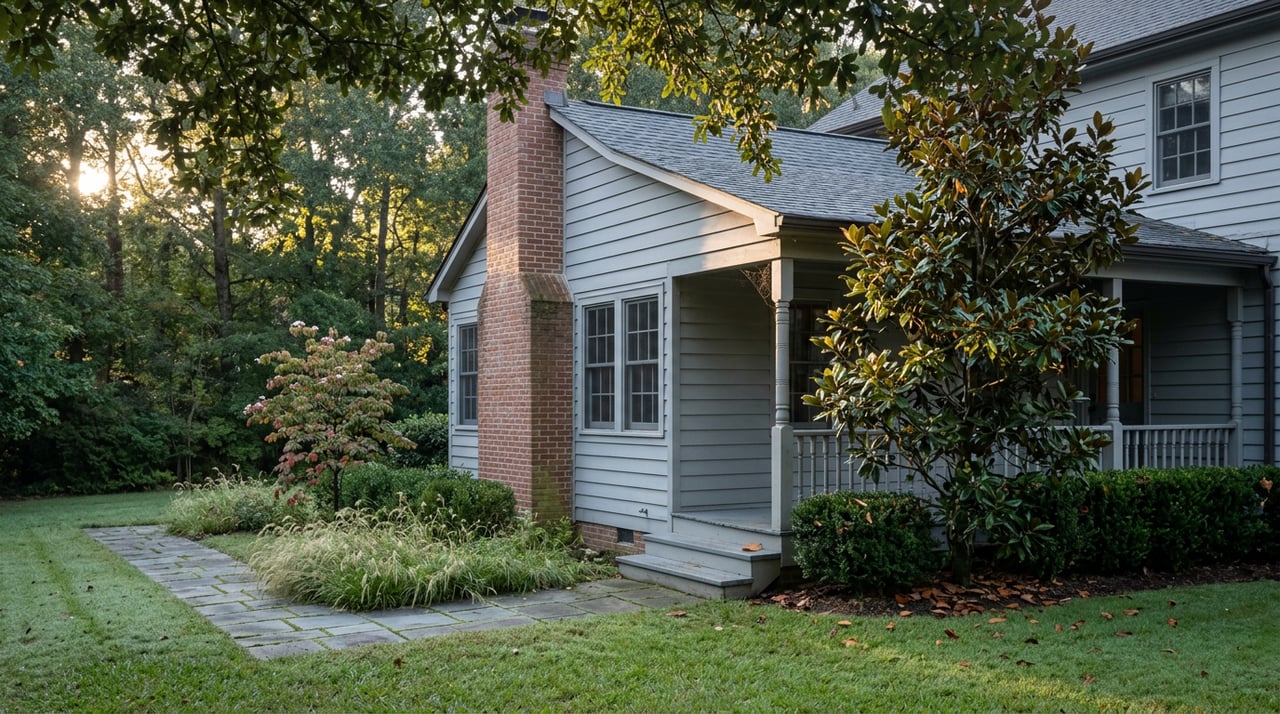
The arboretum behind Troy University has long been a place for plant ID quizzes and student jogs, a green stretch on the edge of Pell Avenue.
That version of the arboretum has changed substantially, with new trails extending the walkable network.
What actually happened out there
Troy University's arboretum sits on 75 acres next to the main campus, home to more than 300 tree species, a four-acre body of water called Mullis Pond, and a Champion Tree old enough to have outlasted several building renovations around it. For years, the walkable footprint added up to roughly two and a half miles, a single nature trail winding through swamp, stream, and pond edge.
Then Arboretum Director Dr. Alvin Diamond and a rotating crew of faculty, students, and community volunteers spent roughly a year clearing brush, hauling out invasive species and trash, and cutting new paths through sections of the property that had been functionally unreachable. Part of the funding came through a state economic development grant program that put $1.18 million into five projects across Alabama, with a share of that going toward restoring the arboretum's Hickory Loop Nature Trail. Before the work, reaching that section meant either scrambling down a creek bank or walking a stretch of Pell Avenue that Diamond flagged as risky, saying it was "not a good option either because of speeding and traffic" according to Troy University's arboretum page. Bridges and boardwalks are now part of the plan so the new trail sections stay usable without the creek scramble.
The math on the other end of that effort is the part worth sitting with. What used to be a two-and-a-half-mile loop is now measured at more than eight miles of walking trail across the property, a network that includes the short, easy Magnolia Loop Trail near the entrance and longer stretches that push into forest the old path never touched. The expanded network now covers more than three times the mileage of the former loop.
The arboretum's birding-trail designation
The arboretum is now an official stop on the Alabama Birding Trails, a statewide program covering eight geographic regions and more than 280 locations, promoted through the Alabama Department of Tourism alongside groups like Alabama Audubon and the University of Alabama Center for Economic Development. The arboretum's listing falls under the Wiregrass region, and it's only the second site in all of Pike County to earn a spot on that list.
Diamond expects the designation to draw visitors to campus. "The promotion of the birding trail sites by the Alabama Tourism Department will likely bring hundreds of visitors to our campus each year," he said in a Troy Today report, adding that it should raise awareness of "many of the other exciting things occurring on TROY's campus and in the surrounding community." The listing also places a campus green space within a wider network of outdoor destinations across Alabama.
The rest of the trail picture, side by side
The arboretum isn't the only walking option in town, and knowing how the pieces relate to each other matters more than treating them as one undifferentiated green space. Troy Recreational Park sits alongside the arboretum, and its trail system includes a route that circles past an outdoor classroom clearing, the same one Troy University brings ecology and field botany classes to, before looping around the arboretum's lake.
Here's how the main options actually compare:
- Magnolia Loop Trail — half a mile, about ten minutes, an easy in-and-out near the arboretum entrance, good for a lunch-break walk or a first look at the property.
- Troy Recreational Park Loop — 1.1 miles, roughly 22 minutes, an easy paved and packed-dirt route that AllTrails users flag as best visited October through February, which puts the strongest stretch of the year just ahead of us.
- Teeheader Trail — the longest of the three at about 1.7 miles, packed dirt with orange trail blazes and posted markers, running along the south side of the lake and popular with beginner mountain bikers as well as walkers.
None of these require a car trip out of town. All three sit inside the same general footprint near campus, which means a resident can string together a short warm-up on the Magnolia Loop and a longer walk on Teeheader Trail in the same morning without driving anywhere.
Where this actually fits into a Saturday
None of this matters much in the abstract. It matters because Troy already has a built-in Saturday rhythm that this trail expansion slots directly into. The Pike County Farmers Market runs Saturdays from 7 a.m. to noon, June through November, at 1000 US Highway 231, with a second Tuesday session from 4 to 7 p.m. for anyone who misses the weekend window. That schedule means the market and the strongest stretch of trail season overlap for two full months, October and November, before the market wraps for the year.
The practical version of that overlap looks like this: an early walk on the arboretum or Teeheader Trail while the morning is still cool, a stop at the farmers market before the noon cutoff, and lunch downtown to close it out. The downtown square gives you real options for that last stop. B. Graves Restaurant & Bar sits right on the historic square, steps from Troy University and the Pike County Courthouse, built around chef-driven Southern plates and a whiskey list deep enough to anchor guided tastings through the year. The Corner has built a local following around its boudin and pepper jack egg rolls, served with a house Alabama white sauce, and a burger loaded with spicy pimento cheese and bacon jam. Hook's BBQ has earned a reputation less for any single dish and more for consistently feeding local school and band groups before games, the kind of generosity that turns a restaurant into a fixture rather than just a lunch option. If your schedule runs on weekdays instead, Sisters Restaurant has been serving fried chicken and homemade banana pudding since 1997, run by Pat Rogers and Geraldine Golden, though it's worth knowing upfront that they close on Saturdays and Sundays, so it's a weekday stop rather than a weekend one.
What the expanded trails add to a Saturday in Troy
The point isn't that Troy suddenly has trails it didn't have before. The land was always there. The point is that the arboretum has more than tripled in usable trail mileage, earned a state-level tourism designation that only one other spot in the county holds, and now sits inside easy reach of a market and a downtown lunch scene that were already worth showing up for.
If you've been driving past Pell Avenue for years without ever turning in, there's more to explore now. The arboretum is bigger, better marked, and now an official stop on the Alabama Birding Trails. It's worth an actual visit to see what the expanded trails add to a day in town.
If you're thinking about what a move within Troy, or into it, might look like down the road, Michael Dorriety knows this town well enough to talk through it honestly. Reach out to schedule a free consultation or get an instant home valuation whenever you're ready.