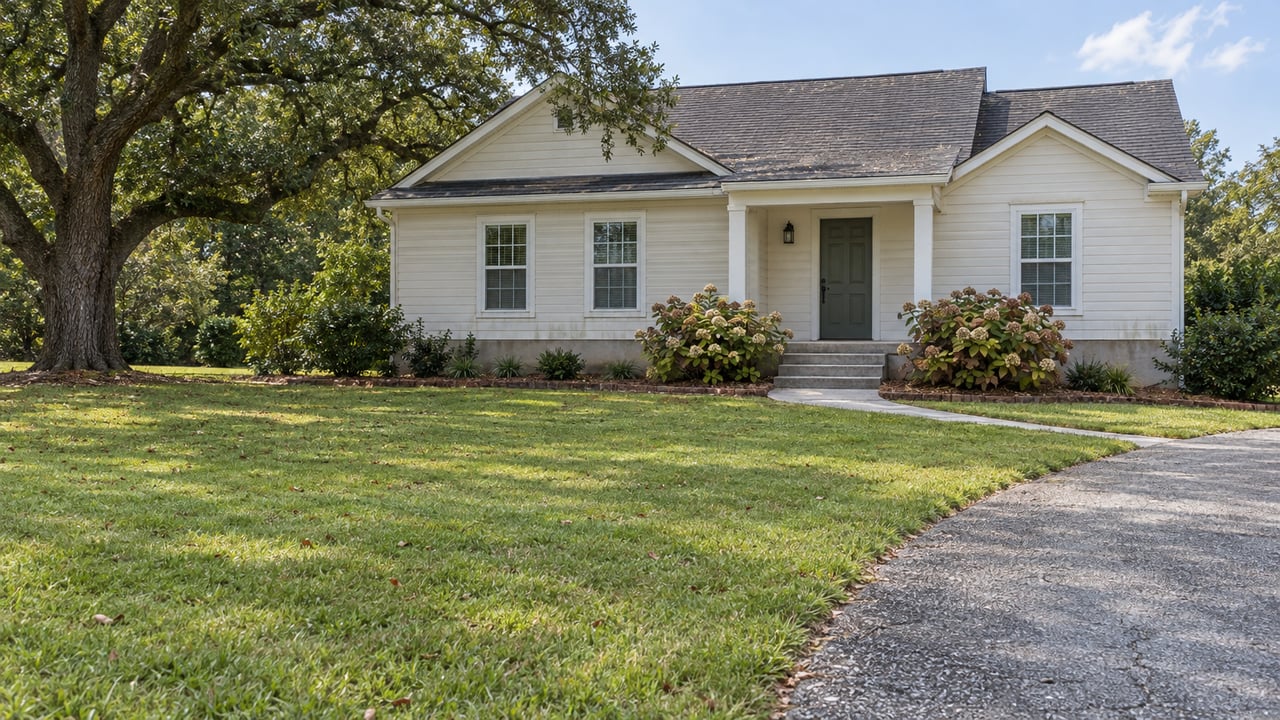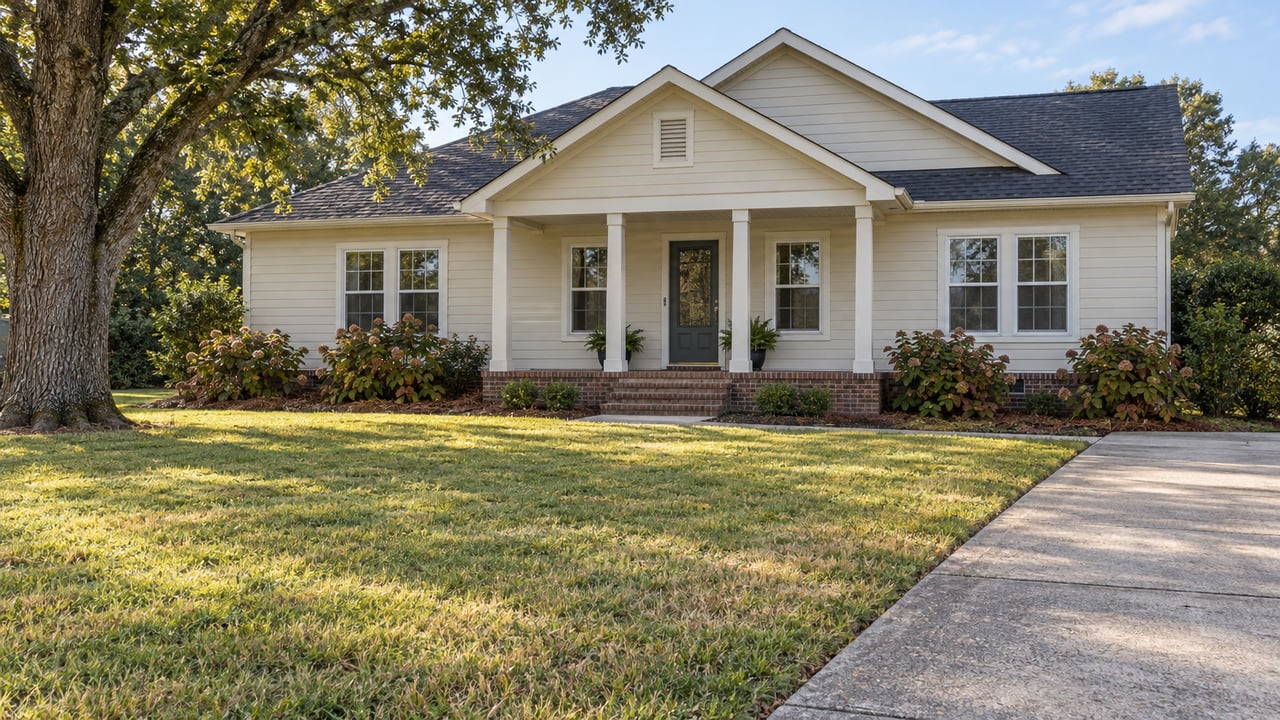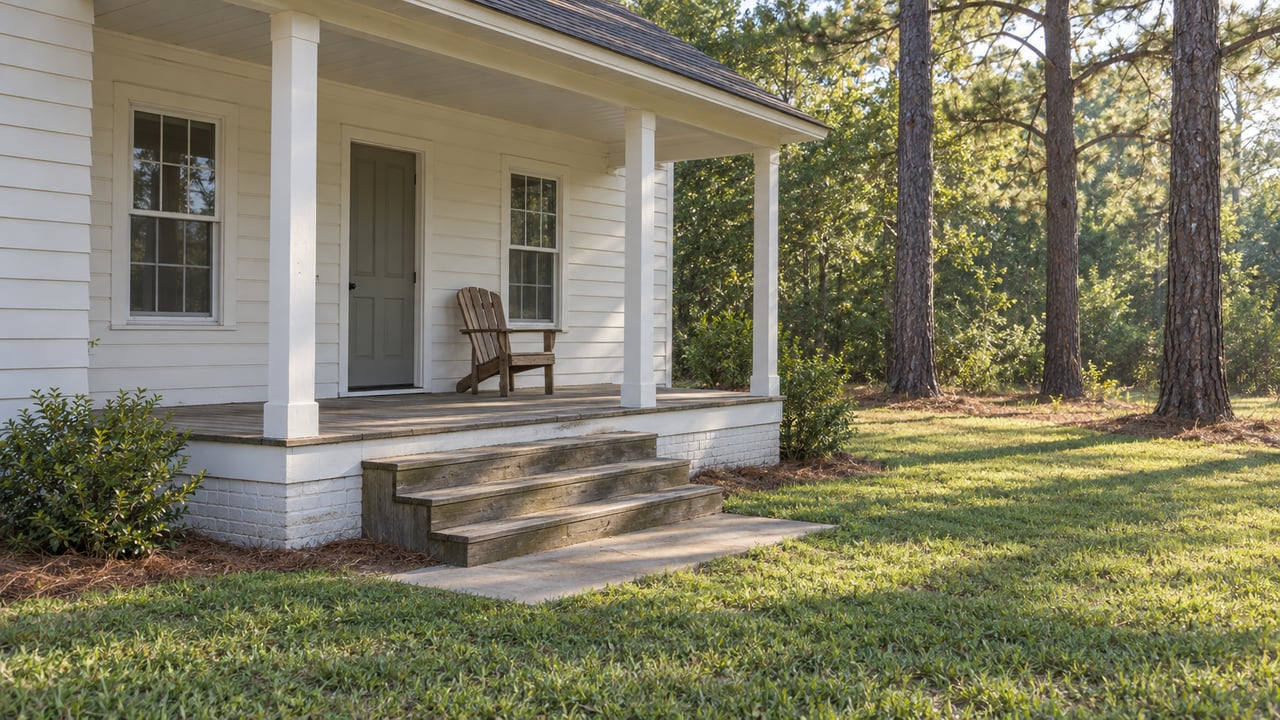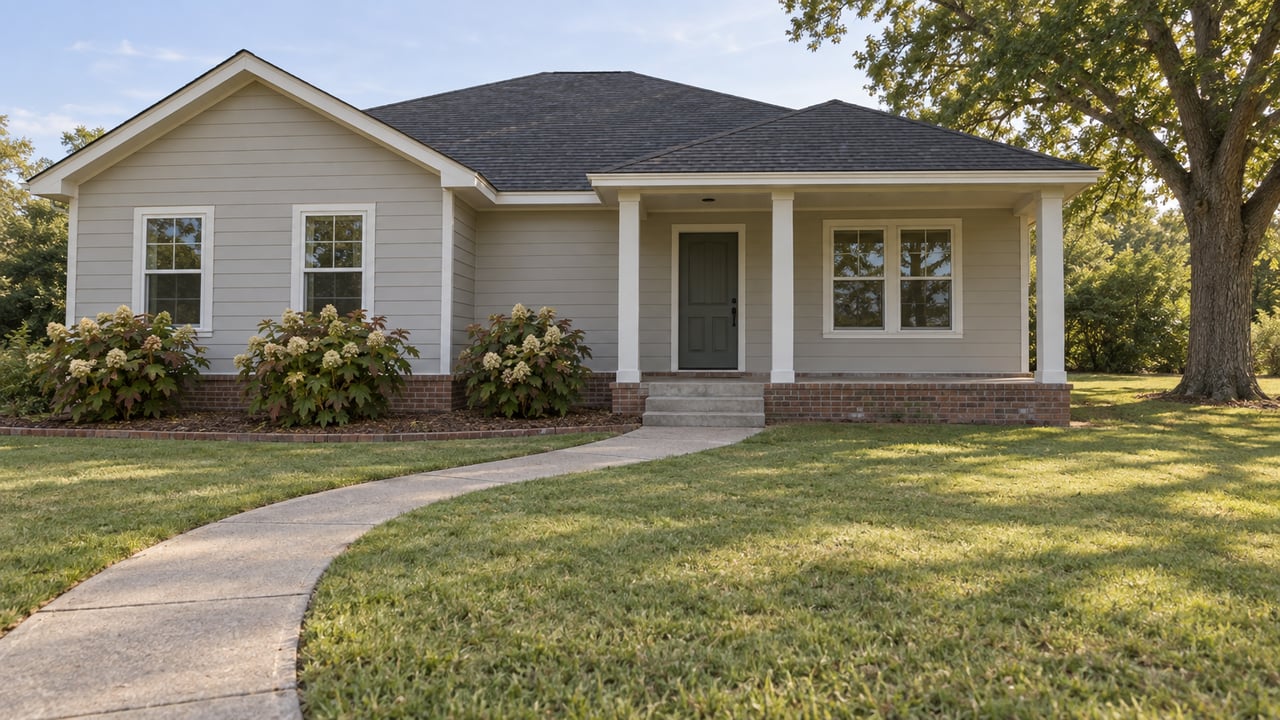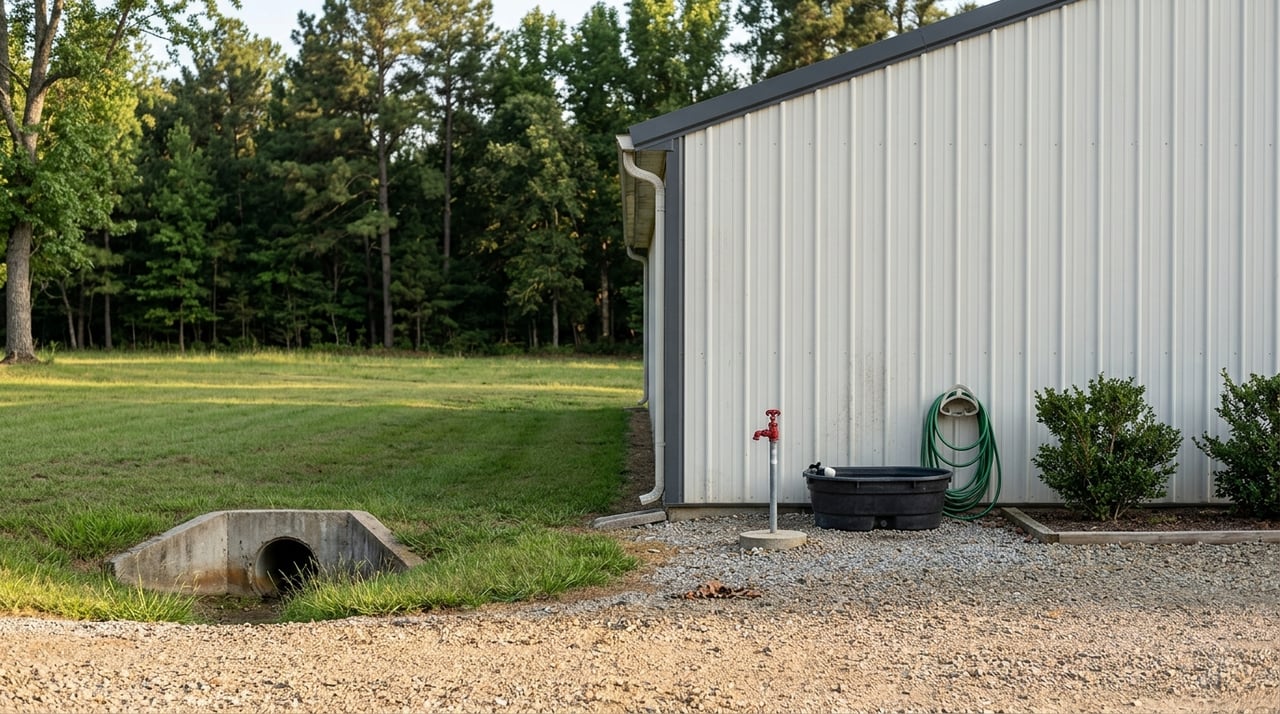
Dreaming about a few acres near Headland sounds simple until you start asking what the land actually needs to do. A garden, chickens, a couple of horses, or a few beef animals can all fit under the label of “hobby farm,” but they create very different demands. If you want to buy smart, you need to look beyond acreage alone and focus on water, access, soils, permits, and day-to-day usability. Let’s dive in.
Start With Your Hobby Farm Goals
Before you decide how many acres you want near Headland, decide what kind of hobby farm life you want to live. Alabama Extension notes that land needs depend on the crop, production system, and scope of the operation. That means the right property for a vegetable garden may be very different from the right property for pasture animals.
A simple way to think about it is to match the land to the job. If your plan is mostly a garden, some fruit trees, and a few chickens, a smaller tract may work well. If you want cattle or horses, pasture condition, water access, fencing, and forage management become much more important.
Acreage Is Only Part of the Story
It is easy to assume more acres automatically means a better hobby farm. In reality, the usefulness of the land matters more than the number on the listing. Alabama Extension’s grazing guidance ties success to livestock class, production goals, forage species, and the resources already on the farm.
For buyers near Headland, that means two properties with the same acreage can perform very differently. One tract may have usable pasture, good water access, and practical fencing lines. Another may look roomy on paper but create challenges with drainage, access, or pasture recovery.
Smaller Tracts Can Still Work
If your hobby farm plan is modest, a smaller acreage tract may still be a good fit. Garden space, poultry setups, and small yard-animal uses usually put less pressure on the land than pasture-based livestock. That can open up more buying options near Headland, especially if you want manageable upkeep.
Still, smaller tracts require careful planning. Temporary or rotational fencing can help improve pasture use, but it does not replace the need to match animal numbers to available forage and allow grass to recover. If your long-term goal includes grazing animals, the layout and condition of the land matter as much as the total acreage.
Water Matters More Than Many Buyers Expect
Water is one of the most important parts of any hobby farm purchase. If the property uses a private well, the Alabama Department of Public Health says the owner is responsible for water safety, and regular testing is recommended. In Henry County, a permit is required before installing or altering a private water system.
That becomes even more important if you plan to keep animals. Alabama Extension recommends annual testing of livestock drinking-water sources and notes that water quality affects intake and herd performance. Their guidance also shows why supply matters, with cattle drinking roughly 7 to 20 gallons per day and horses about 8 to 12 gallons or more depending on conditions.
Questions to Ask About Water
When you tour acreage near Headland, ask practical water questions early:
- Is the property on public water or a private well?
- If it has a well, when was it last tested?
- Is there enough water supply for your planned use?
- Are water lines already run to barns, trough areas, or garden space?
- If animals are part of your plan, how will watering work in every season?
These questions can help you avoid buying a property that looks good at first glance but creates avoidable costs later.
Check Soils and Septic Before You Fall in Love
If the parcel is not connected to public sewer, septic due diligence should move high on your list. Alabama law requires a county health department permit before installing a new onsite sewage system or making repairs. The Alabama Department of Public Health also says septic work may require a soils professional, surveyor, geologist, or engineer, along with soils information, a plot plan, and a vicinity map.
That matters because not every pretty piece of land is easy to build on. A home site, barn area, or future addition may depend on soil conditions that are not obvious from the road. Doing this homework early can save time, money, and frustration.
Use Soil Data as a First Filter
The USDA NRCS Web Soil Survey is the official current soil-data tool and can help you review drainage, soil limitations, and broad land-use suitability before purchase. It is a helpful first step for narrowing down properties and spotting possible concerns. Still, it should not replace professional review when you are making a final decision.
Around Headland, this is especially useful if you are comparing multiple tracts. A parcel with better drainage and fewer limitations may be a better hobby-farm fit even if it has fewer acres. Good dirt and practical usability often win over raw size.
Ponds Can Be Useful, But Not Automatic Wins
A pond can add appeal to a hobby farm, especially if you are thinking about livestock watering, irrigation, or recreation. But a pond should never be treated as an automatic plus without asking more questions. Alabama Extension notes that pond sites in the Wiregrass can be problematic because limestone deposits can create issues.
Water quality also matters. Extension warns that watersheds with concentrated livestock activity or heavy fertilization can degrade pond water quality. So if a property includes a pond, you should think about how it fits into the land’s overall use, not just how it looks in photos.
Know the Difference Between City and Rural Parcels
Near Headland, your due diligence path can change quickly depending on whether the property is inside city limits or outside them. Inside Headland city limits, permits are required for new construction, additions, remodels, accessory structures, pole barns, detached garages, fences, manufactured buildings, and similar work. The city also provides zoning compliance and rezone request forms.
That means a city-limits parcel may offer convenience, but it also may involve a different approval process for your hobby-farm plans. If you are buying outside the city, the process may lean more heavily on well, septic, driveway, and county-level land questions. Either way, it is smart to confirm what is allowed before you buy.
City Utilities Change the Equation
Headland’s Water Works and Sewer Department handles service connections for city utilities. If a parcel has access to city water and sewer, your checklist may be very different from a rural tract that depends on a private well and septic system. That can affect cost, convenience, and how quickly you can move forward with improvements.
For some buyers, city utility access makes a smaller hobby-farm setup easier to manage. For others, a rural tract offers more flexibility for the kind of land use they want. The key is understanding those tradeoffs before you commit.
Access and Road Frontage Need a Closer Look
Driveway access is another issue buyers sometimes overlook. Henry County says property owners must obtain a driveway access permit for access onto the public right-of-way. If the property fronts a state-maintained highway, ALDOT requires permits for work on state rights-of-way.
That means road frontage alone does not guarantee simple access. A tract may look easy to enter, but the actual driveway process can still require approvals. If you plan to bring in equipment, trailers, building materials, or livestock, practical access deserves a serious look.
GIS Helps, But It Is Not Final
Henry County’s public GIS is a useful first stop for parcel lookup and general orientation. But the GIS disclaimer says the data are general information and accuracy cannot be guaranteed. If you have questions about boundaries, easements, or exact frontage, a survey or title review is still the safer path.
This is especially important on acreage where fence lines and legal boundaries do not always match. A hobby farm works best when you know exactly what you are buying.
Floodplain Checks Can Protect Your Budget
If a tract near Headland is low-lying, check flood maps before you plan barns, driveways, or animal areas. You can review FEMA flood maps through ADECA or the FEMA Map Service Center. Henry County also has flood-damage-prevention rules for development in floodplain areas.
This step matters because flood exposure can affect where you build and how you use the property. A lower price on a tract may not be a bargain if the usable area is more limited than it first appears. A floodplain review can help you see the property more clearly.
Ask About Current Use Valuation Early
For some Alabama properties, agricultural and forest property can potentially qualify for current use valuation. The owner must apply through the county assessing official, and the application is due on or before January 1. The state also notes that parcels of five acres or less may require additional verification.
This does not mean every hobby-farm tract will qualify, but it is worth asking about early in your buying process. If tax treatment matters to your budget, getting clarity ahead of time can help you plan more confidently.
Build the Right Local Team
Buying acreage near Headland for a hobby farm is rarely a one-person project. A practical local team may include your real estate agent, a surveyor, the county health department, the county road department, and a soils professional or engineer for septic questions. Alabama Extension and the Henry County Extension Office can also be valuable resources for land-use, forage, livestock, and small-acreage guidance.
This team approach helps you move from excitement to informed decisions. It can also help you sort out which issues are minor and which ones should change your offer or your property choice.
What a Smart Hobby-Farm Search Looks Like
If you are shopping for acreage near Headland, try to keep your search grounded in use, not just appearance. A beautiful tract is only the right tract if it supports the life you want to live there. That means looking at water, soils, access, permits, utilities, and improvement costs alongside price and acreage.
Michael Dorriety understands that rural property decisions are different from a typical home search. With practical farm experience and deep knowledge of Wiregrass land, he can help you look past the surface and focus on what makes a property truly work. If you are ready to talk through acreage, layout, and the realities of hobby-farm buying near Headland, connect with Michael Dorriety.
FAQs
What size property do you need for a hobby farm near Headland?
- The right size depends on what you plan to do, since a garden and chickens need far less land than horses or cattle, which also require more attention to pasture, water, and fencing.
Should you test well water on rural property in Henry County?
- Yes, regular testing is recommended for private well owners, and if the property uses water for livestock, Alabama Extension recommends annual testing of drinking-water sources.
Do you need a permit for septic on acreage near Headland?
- Yes, Alabama law requires a county health department permit before installing a new onsite sewage system or making repairs.
Are permits required for hobby-farm improvements inside Headland city limits?
- Yes, the city requires permits for many improvements, including new construction, additions, accessory structures, pole barns, detached garages, fences, and manufactured buildings.
Why should you check soil maps before buying acreage near Headland?
- Soil data can help you spot drainage issues and land-use limitations before purchase, which is especially helpful when comparing building sites, garden areas, and pasture potential.
Do you need approval for a driveway onto a county road in Henry County?
- Yes, Henry County says property owners must obtain a driveway access permit for access onto the public right-of-way, and state-maintained roads may require separate state permits.