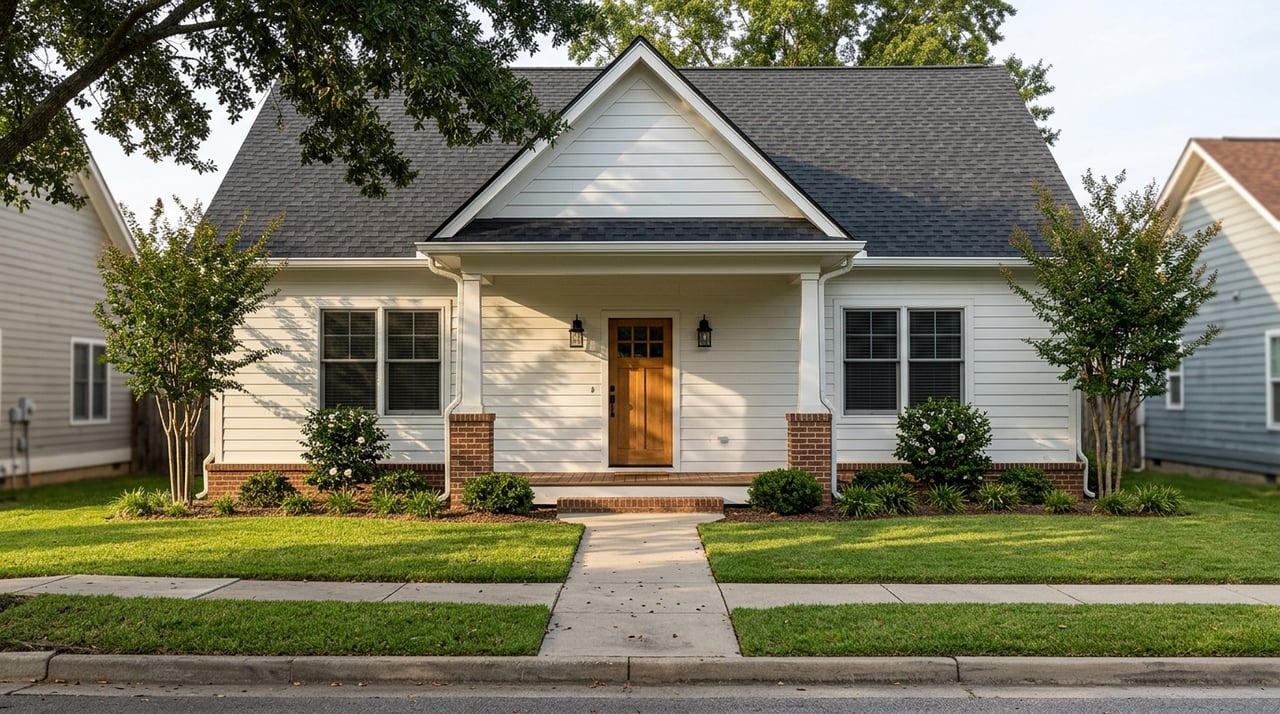
Trying to decide between a home in Troy and a place with land just outside town? That choice can feel simple at first, but it often comes down to how you want to live day to day. If you are weighing convenience against elbow room, this guide will help you compare the real tradeoffs in Troy and Pike County so you can make a choice that fits your lifestyle. Let’s dive in.
Troy and Pike County at a Glance
Troy and the surrounding parts of Pike County offer two very different living patterns. In 2024, Troy had an estimated 17,734 residents across 28.34 square miles, while Pike County had 33,124 residents across 672.07 square miles. That works out to about 625.5 people per square mile in Troy versus 49.1 people per square mile countywide.
That difference matters because it shapes how your property feels. In town, you are more likely to find a traditional neighborhood setting and centralized services. Outside the city, you are more likely to find room for gardens, equipment, animals, timber, or simply more distance from nearby homes.
There is also a price contrast worth noting. Troy’s median owner-occupied home value is $231,400, compared with $157,600 countywide. That county number is broad and does not directly compare acreage properties to in-town homes, but it does show that the city and county can play in different pricing environments.
Why Some Buyers Prefer In-Town Troy
If your top priority is convenience, Troy has a lot working in its favor. The city describes itself as a small-city hub with a downtown square, Troy University, parks, historic homes, and a mix of neighborhoods, townhouses, and apartments. For many buyers, that creates a familiar pattern of living where daily errands and routine stops feel easier to manage.
Troy also provides a wide range of municipal services. The city handles police protection, fire protection, 911 communications, planning, building inspection, public works, utilities, water, wastewater, parks and recreation, and a municipal library. That kind of structure can make homeownership feel more straightforward, especially if you want fewer property-level decisions.
Utilities are another major plus for in-town buyers. Troy owns its electric, water, sewer, and billing systems and says it serves about 7,800 customers. The city also provides municipal garbage service and free curbside recycling for residents and businesses.
For some buyers, that level of service is the deciding factor. If you would rather not think much about wells, septic systems, or road access, in-town living can simplify the experience.
In-town housing often offers more variety
Troy’s official materials point to a broad housing mix that includes neighborhoods, historic homes, townhouses, and apartments. That gives you more options if you want a traditional residential setting instead of a large tract of land. It can also be useful if you are trying to balance budget, maintenance, and location.
School zoning is easier to predict in town
Pike County Schools states that school-age students living within Troy city limits are zoned to Troy City Schools. The listed schools are Troy Elementary, Charles Henderson Middle School, and Charles Henderson High School. If school assignment is part of your planning, living inside city limits gives you a clearer starting point.
Medical access is closer in town
Troy Regional Medical Center is a 97-bed hospital that says it has served a seven-county area since 1969. For many buyers, being closer to medical services is an important part of choosing location. Even if you do not need frequent care, shorter drives can still matter over time.
Why Rural Acreage Appeals to Buyers
If your goal is privacy, flexibility, and room to spread out, rural acreage outside Troy may be the better fit. In many parts of Pike County, you can find the kind of space that supports gardens, hobby farming, equipment storage, recreation, or long-term land use plans. That is one reason acreage remains a strong part of the local market.
Pike County Economic Development describes the county as known for agricultural commodities such as poultry and egg production, cattle, peanuts, and timberland. That context helps explain why small farms, hobby tracts, and timber acreage are part of the market here. Land is not just scenery in Pike County. For many buyers, it is part of the lifestyle they want.
That said, more land usually means more owner responsibility. When you move outside city-managed systems, you often take on more of the planning, upkeep, and decision-making yourself.
Rural properties may rely on septic systems
The Pike County Health Department says a permit is required for all new residential and commercial septic installations or repairs, and the process begins with a soil evaluation. If you are buying acreage that is not on sewer, septic is not a small detail. It is a core part of your due diligence.
Before you make an offer, you will want to understand whether the property uses septic, what condition the system is in, and whether future changes to the home or site could affect that setup. These questions are especially important if you are buying vacant land to build on later.
Private wells require ongoing attention
The Alabama Department of Public Health says private well owners are responsible for ensuring water safety and should test well water routinely. The county health department can collect a sample for testing. For rural buyers, that means well water is not a set-it-and-forget-it issue.
A private well can be a great fit for acreage living, but it comes with responsibility. You will want to know the well’s condition, maintenance history if available, and what routine testing may look like after closing.
Road access matters more than many buyers expect
Pike County’s Road Department manages the county road and bridge system, including 467 miles of paved roads and 293 miles of unpaved road. That is a reminder that rural access can vary a lot from one property to another. Two parcels outside Troy may offer very different day-to-day experiences depending on where they sit and how they are reached.
If you are looking at acreage, ask whether the road is paved or unpaved and who maintains it. That can affect convenience, wear and tear on vehicles, and your comfort with the property over the long run.
Commute Time Is Not the Whole Story
Many buyers assume rural living means a much longer drive, but the numbers in Troy and Pike County are actually fairly close. The average commute is 18.2 minutes in Troy city versus 20.3 minutes countywide. That is only a narrow spread.
The practical takeaway is simple. The exact parcel location and your most common destination matter more than the city-versus-county label by itself. A well-located acreage tract may feel easier than expected, while a home in town may still not be ideal if it is farther from your daily routine.
How to Think About Services and Oversight
Inside Troy city limits, planning and land-use review are handled through the city’s Planning & Community Development Department. That office oversees zoning, land-use policy, zoning compliance, subdivision regulations, mapping, site plan review, and floodplain administration inside the city. For buyers, that often means a more structured review environment.
Outside the city, access and land division are more county-centered. Pike County’s engineer regulates subdivision and development in the county’s unincorporated areas. If you are considering splitting land, building later, or changing how a tract will be used, it is important to know which local office has authority over the property.
A Practical Way to Choose
The right answer usually comes down to what you want your weekly life to look like. Neither option is automatically better. The better fit is the one that matches your priorities, budget, and comfort with upkeep.
In-town Troy may fit you best if you want:
- easier access to work, shopping, downtown, or Troy University
- municipal utilities and curbside services
- fewer infrastructure decisions at the property level
- a more traditional neighborhood setting
- more predictable school zoning inside city limits
Rural acreage may fit you best if you want:
- more separation from nearby homes
- room for animals, gardens, storage, or recreation
- flexibility for small farm or timber-related use
- comfort with septic, wells, and county-road considerations
- a long-term land stewardship mindset
Questions to Ask Before You Make an Offer
Whether you are buying in town or outside it, asking a few direct questions can save you time and frustration later. These are especially helpful when comparing one property to another.
Start with these five questions
- Is the property inside Troy city limits or in unincorporated Pike County?
- Does it use sewer or septic?
- Does it have public water or a private well?
- Is the road access paved or unpaved, and who maintains it?
- What zoning, subdivision, or floodplain rules apply to this parcel?
Those answers will shape more than just your closing process. They will influence your monthly routine, future plans for the property, and how much hands-on management you want to take on.
Choosing between in-town Troy and rural acreage is really about choosing the lifestyle that fits you best. If you want convenience, centralized services, and a more traditional residential setup, living in Troy may feel like the right move. If you want more land, more flexibility, and are comfortable handling more of the property’s infrastructure, a rural tract in Pike County may be the better path.
When you are comparing homes, small acreage, or land around Troy, local guidance makes a difference. Michael Dorriety can help you weigh the property itself, the land, and the day-to-day realities so you can move forward with confidence.
FAQs
What is the main difference between living in Troy and living on acreage in Pike County?
- In general, Troy offers more centralized city services and a traditional in-town setting, while rural Pike County offers more land and more owner responsibility for things like septic, wells, and property upkeep.
Are commute times much longer outside Troy, Alabama?
- Not always. Census data shows an average commute of 18.2 minutes in Troy and 20.3 minutes countywide, so the exact property location often matters more than the city or county label alone.
What utilities should you check on a rural property near Troy?
- You should confirm whether the property uses public water or a private well and whether it is connected to sewer or uses a septic system.
What should you know about septic systems in Pike County, Alabama?
- The Pike County Health Department says permits are required for all new residential and commercial septic installations or repairs, and the process starts with a soil evaluation.
How do you verify school zoning for a property near Troy?
- Pike County Schools says students living within Troy city limits are zoned to Troy City Schools, while the rest of Pike County is in the county attendance zone, so you should verify the exact assignment for any parcel outside the city.
Who is a good fit for buying rural acreage near Troy, Alabama?
- Buyers who want privacy, space for outdoor uses, and are comfortable managing land-related details like wells, septic, and road access are often a strong fit for rural acreage.