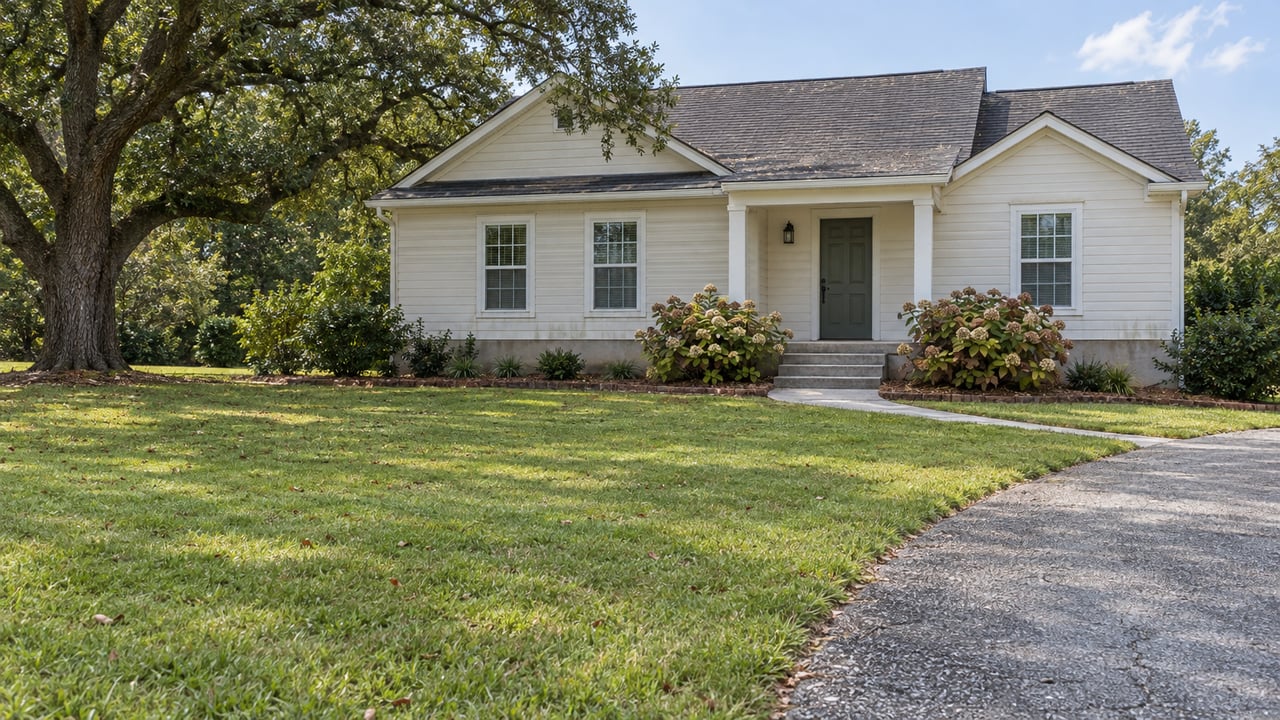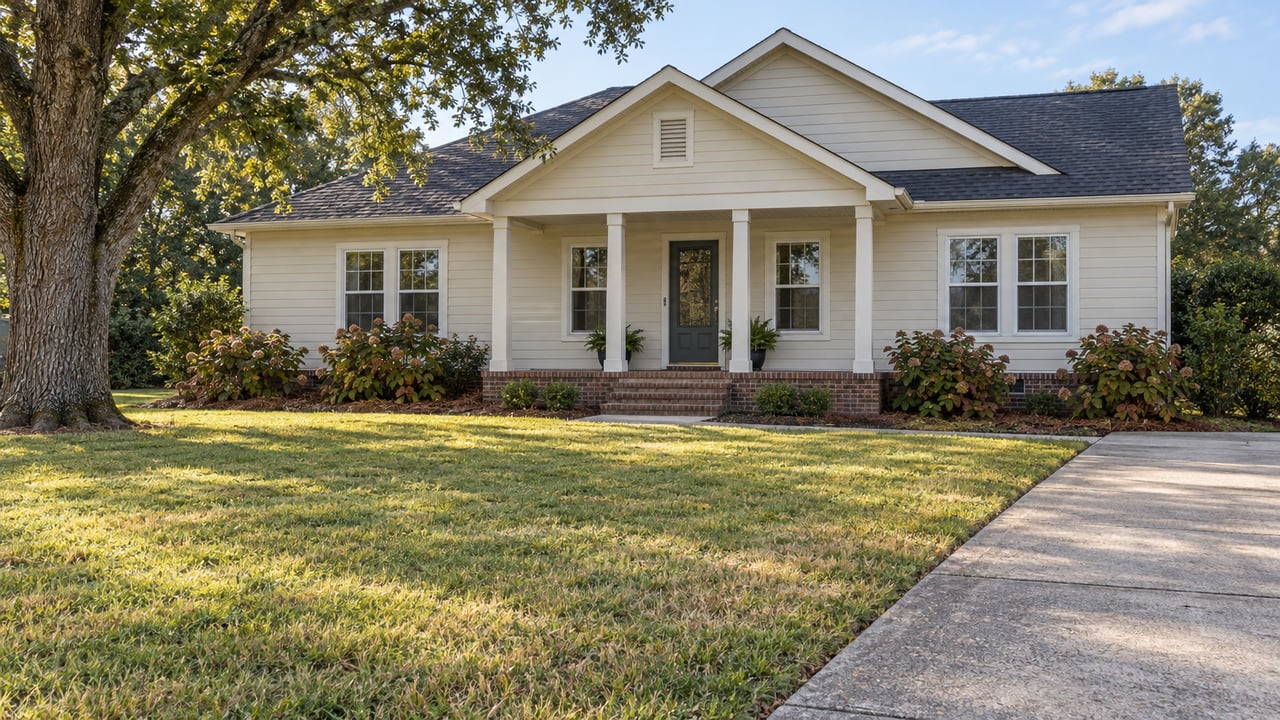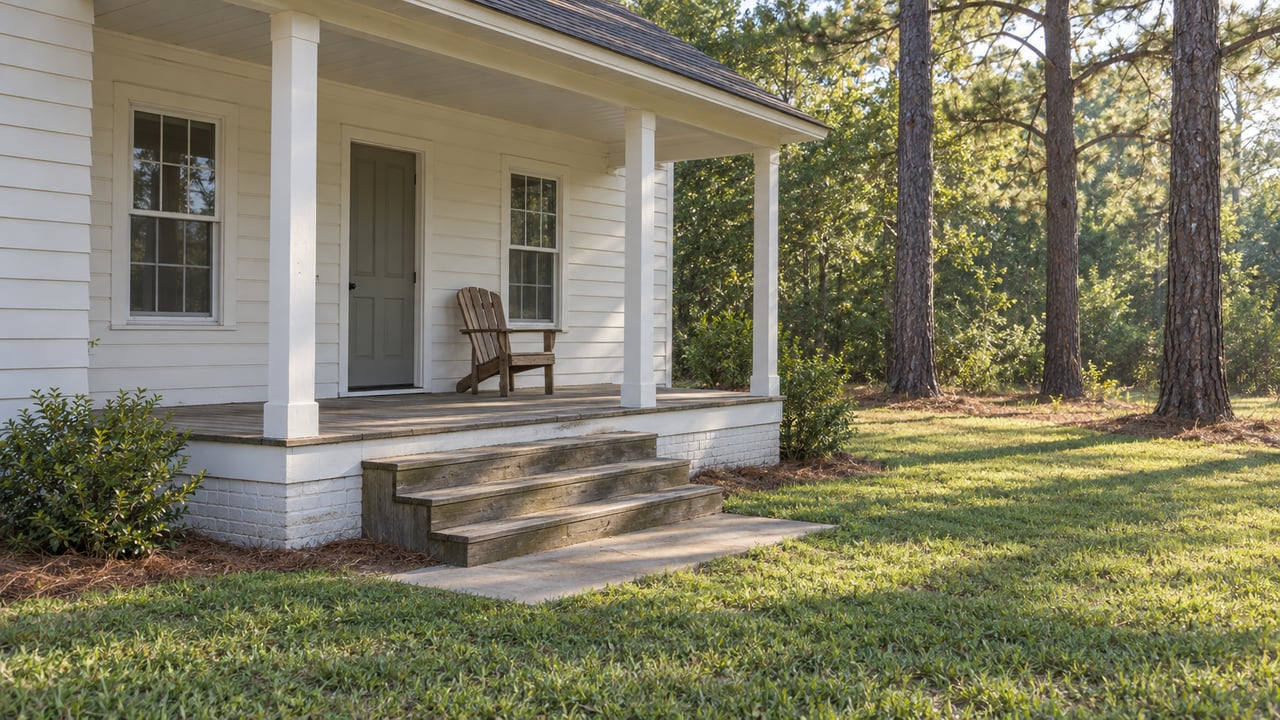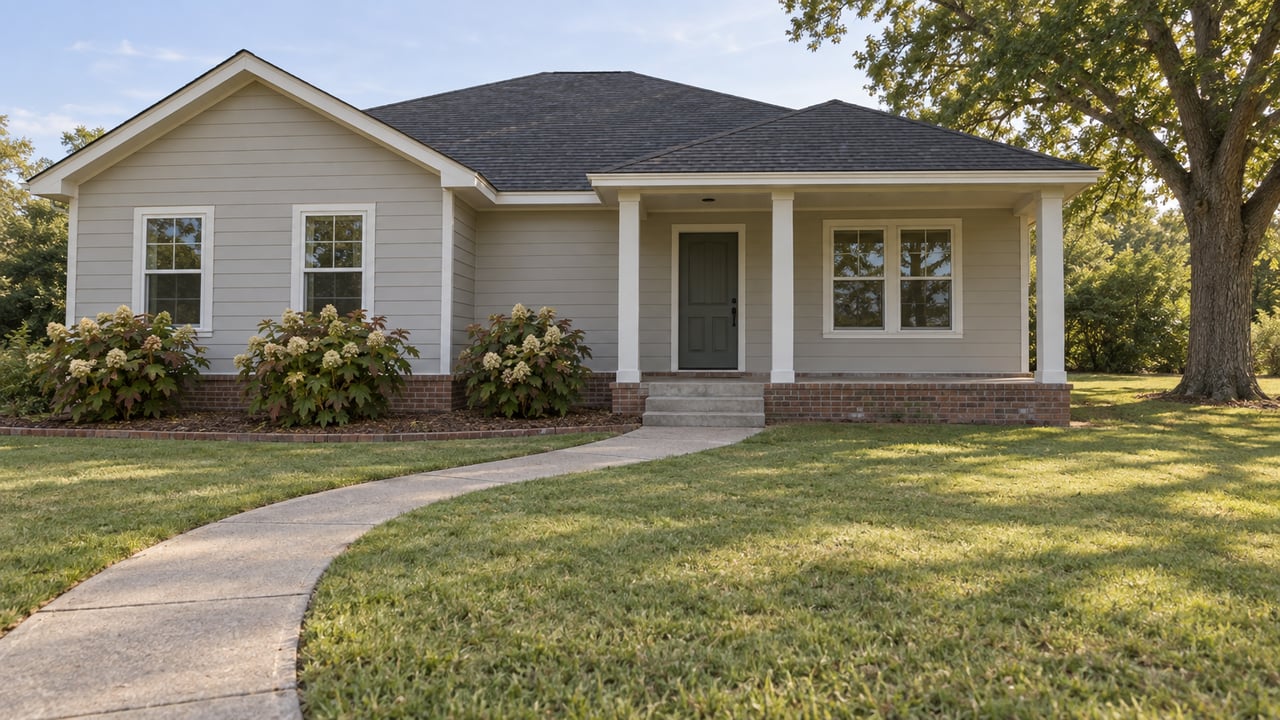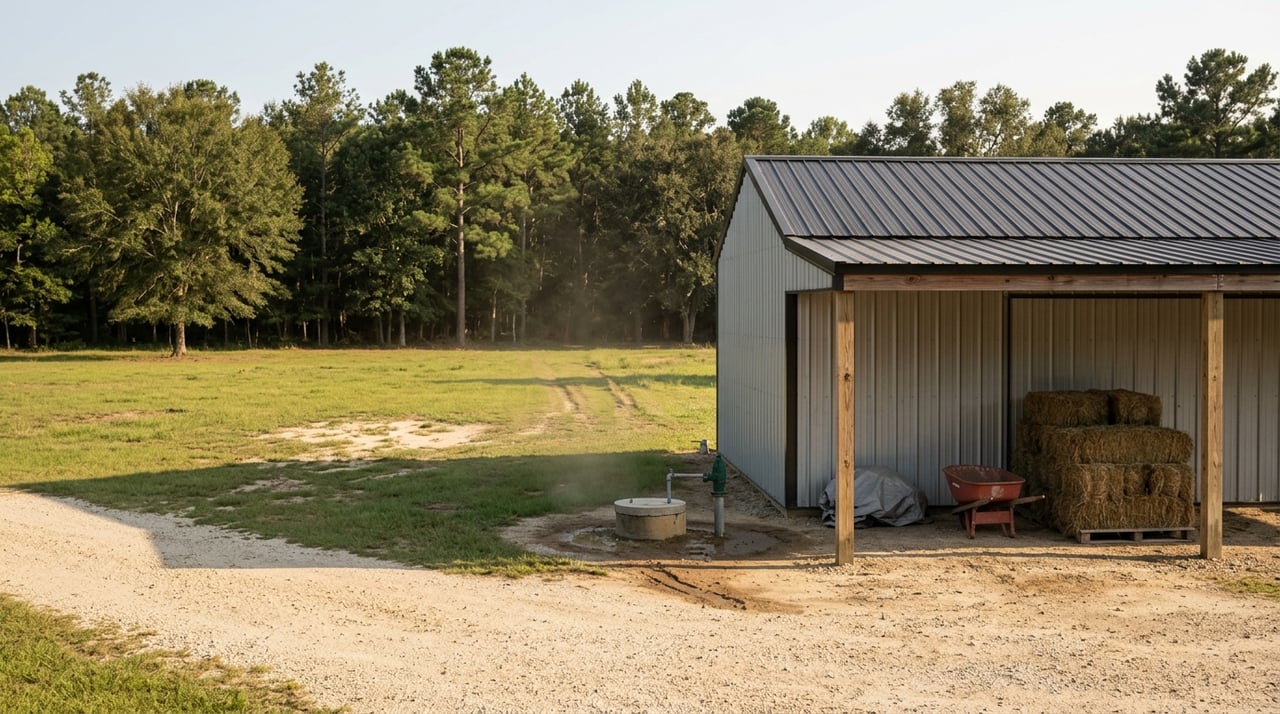
If you are looking at small farms and pasture near Samson, it is easy to focus on the total acre count first. But in this part of Geneva County, the better question is how much of that land is actually usable for your goals. Whether you want a few head of cattle, room for hay, or a manageable hobby farm setup, knowing what to inspect before you buy can save you time, money, and frustration. Let’s dive in.
Why Samson Fits Small Farm Buyers
Samson sits in a part of Geneva County with a strong agricultural backdrop. The county’s 2022 Census profile reports 681 farms across 160,853 acres, with an average farm size of 236 acres and 25,510 acres of pastureland. Livestock, poultry, and related products account for 85% of agricultural sales, which tells you this is a market where pasture use and animal agriculture are part of the local landscape.
That matters if you are shopping for a small farm. In areas with a real livestock and forage economy, you are more likely to find tracts that already have features like fencing, barns, lanes, and open ground suited to pasture. You are also buying into a region where rural land use is familiar, which can make your property search more practical and focused.
Look Beyond Raw Acreage
A 10-acre tract and a 10-acre tract can function very differently. The most important issue is not just how many acres are on paper, but how those acres lay, drain, and support the way you plan to use them.
USDA soil descriptions for Geneva County show that soil conditions can change a lot from tract to tract. Eunola soils are moderately well drained but can have a seasonal high water table 18 to 30 inches below the surface for 4 to 6 months. Bigbee soils are excessively drained and often used for hayland and pasture, though they can flood briefly in high rainfall. Alpin soils are also excessively drained and rapidly permeable, with some low terraces that may flood briefly.
In plain terms, that means the driest ground may be your best fit for barns, feeding areas, lanes, and dry lots. Wetter sections may still be useful, but they may work better for seasonal forage, limited grazing, or wildlife space rather than year-round heavy use. When you walk a property, think in zones instead of seeing the entire tract as one uniform field.
Pasture Basics for South Alabama
If you are new to buying pasture land near Samson, it helps to know what commonly works in south Alabama. Alabama Extension notes that local forage systems often rely on bermudagrass, bahiagrass, summer annuals, and cool-season annuals. No single forage carries a property through the full year, so your grass mix should match your livestock, production goals, and the amount of work you want to take on.
For many small-acreage buyers, bahiagrass stands out as a practical option. Alabama Extension says it covers about 1 million acres in Alabama and is used for hay, grazing, and seed production. It is a perennial warm-season grass that is adapted to low soil fertility and lower-input systems, which can be appealing if you want a simpler setup.
That does not mean every pasture is ready to perform the day you buy it. Existing grass cover, fertility, drainage, and grazing pressure all affect how well a field works. A pretty green field from the road does not always tell you if the pasture is productive, durable, or properly managed.
How Grazing Setup Affects Value
A workable pasture property is about more than open land. Alabama Extension describes rotational stocking as dividing pasture into paddocks and allowing rest periods so forage can recover. On smaller tracts, temporary electric fencing can be a flexible and affordable way to make that happen.
This is important because rest and recovery help pasture hold up better over time. Even on a modest tract, a layout with usable paddocks, water access, and shade can be more functional than one big open field with no plan. When you compare properties, look at how easily the land could be divided and managed.
Each paddock should still have water and shade. If the setup forces livestock to travel too far or bunch up in one area, pasture health can decline faster. A property that already supports a sensible flow from gate to lane to paddock may offer better day-to-day usability than one with more acreage but a weaker layout.
Inspect Fencing as a System
Fence condition can make or break a small farm purchase. It is not enough to notice that a property is fenced. You need to know whether the fencing works as a system for the livestock you plan to keep.
Alabama Extension recommends evaluating perimeter fence, cross-fences, corners, gates, posts, energizers, and grounding. If temporary electric fencing is part of the setup, it only works well when it fits the livestock class and maintains constant power with minimal shorts. A property with weak corners, sagging wire, poor grounding, or awkward gate placement may need more work than it first appears.
That repair cost should be part of your buying decision. Alabama’s current administrative code provides a state sales and use tax exemption for up to $25,000 of fencing materials used in agricultural livestock applications from October 1, 2024 through September 30, 2029, though county and municipal taxes may still apply. If you are planning fence upgrades after closing, that rule may affect your budget.
Check Barns, Sheds, and Work Areas
Outbuildings can add real value when they match your intended use. A simple hay shed, equipment shelter, or small handling area may matter more to your daily routine than a larger structure that is hard to access or in poor shape.
As you inspect improvements, look at roof condition, structural wear, trailer access, and utility service. Think about how you would move feed, hay, equipment, or animals through the property. A barn that looks fine from a distance can still create problems if the access is muddy, too tight, or poorly placed.
Handling areas deserve extra attention. If you plan to keep livestock, pay attention to gates, pens, working space, and the ease of loading or unloading. Functional improvements tend to support the practical value of a Samson-area small farm far more than cosmetic features alone.
Water Matters More Than You Think
Reliable water is one of the first things to verify on a pasture property. Alabama ADEM states that it does not regulate individual private wells, and owners with concerns should contact the local health department or a certified drinking water laboratory. Alabama public health guidance says routine testing is highly recommended and that you should avoid drinking or cooking with well water until a satisfactory test result is received.
For a buyer, this means you should ask what serves the property now and how that system performs. If there is a private well, ask for any available testing records and service history. If livestock use is part of your plan, look beyond the house and consider trough placement, pump reliability, and backup water options for the pasture itself.
A tract can have good grass and decent fencing but still be difficult to use if water access is weak. Water placement affects labor, grazing patterns, and day-to-day convenience. It is one of the easiest details to underestimate during a showing.
Soil Testing Should Be On Your List
Before you buy and after you buy, soil testing is worth your attention. Alabama Extension recommends periodic soil testing and notes that soil pH affects nutrient availability. Hay systems usually need annual testing because nutrient removal is high, while grazed pastures can often be tested every other year.
This matters because pasture quality is not just about what is growing today. It is also about what the soil can support with reasonable input costs. If a tract has been neglected or cut for hay without proper nutrient replacement, you may need time and money to rebuild production.
Tax and Financing Points to Ask About
If you are considering agricultural land near Samson, ask whether the property is under Alabama current use valuation. Alabama allows eligible Class III agricultural and forest land to be taxed based on current use rather than fair market value, which can reduce property tax. The application window is October 1 through January 1, and a new owner must reapply after a sale or transfer to keep that status.
You should also know that rollback taxes can apply if the land is converted to a nonqualifying use. That makes it important to understand both the current tax treatment and your future plans for the property. A tract that works well as a small farm may carry a different long-term cost picture if your intended use changes later.
On the financing side, USDA FSA offers direct and guaranteed farm ownership loans as well as operating loans for eligible producers. In practical terms, these programs may help with land acquisition and with operating needs such as livestock, feed, seed, and equipment. For some buyers, ag-specific financing can open options beyond a standard residential loan structure.
A Smart Due Diligence Checklist
Before closing on a small farm or pasture property near Samson, slow down and verify the basics. A careful review can help you avoid buying land that looks good from the road but does not fit your actual goals.
Here are a few smart steps to take:
- Pull a USDA Web Soil Survey report for the parcel
- Verify the water source and ask for any well testing records
- Ask whether the property is in current use valuation status
- Walk the fencing, gates, and lane layout in person
- Look at where the driest and wettest ground sits on the tract
- Check how barns, sheds, and work areas connect to the pasture
- Think through where animals, hay, equipment, and trailers would move
For forage and livestock questions, practical local contacts include the Geneva County Extension Office in Hartford and the Wiregrass Research and Extension Center in Headland. Those resources can help you better understand how a property may function once you own it.
Buying With the Right Local Lens
Small farms near Samson can offer a lot of opportunity, but the best purchase usually comes down to function, not just appearance. The right tract for you is the one that matches your intended use, workload, and budget, with realistic expectations about pasture, water, fencing, and improvements.
That is where local experience matters. When you work with someone who understands both the land and the day-to-day realities behind rural property, you are better positioned to spot value, ask better questions, and buy with confidence. If you are looking for small farms, pasture, or other lifestyle property in the Wiregrass, Michael Dorriety can help you evaluate your options with practical, locally grounded guidance.
FAQs
What should you look for in small farms near Samson?
- Focus on usable acreage, soil conditions, drainage, fencing, water access, pasture setup, and the condition of barns or sheds.
Why does soil matter on pasture property in Geneva County?
- Soil affects drainage, grazing use, building placement, and forage potential, and local soils can vary enough that two similar-size tracts may function very differently.
What grasses are common for pasture near Samson, Alabama?
- South Alabama pasture systems commonly use bermudagrass, bahiagrass, summer annuals, and cool-season annuals, depending on livestock goals and management style.
How does current use valuation work for Alabama farm land?
- Eligible Class III agricultural and forest land may qualify for reduced property tax, but a new owner must reapply after a sale during the October 1 through January 1 window.
What water questions should buyers ask on Samson-area acreage?
- Ask what water source serves the property, whether well testing records are available, how reliable the system is, and how water reaches livestock areas or troughs.
How can you check a pasture tract before closing?
- Pull a Web Soil Survey report, walk the land in person, inspect fencing and lanes, verify water details, and review any current use tax status before you finalize the purchase.