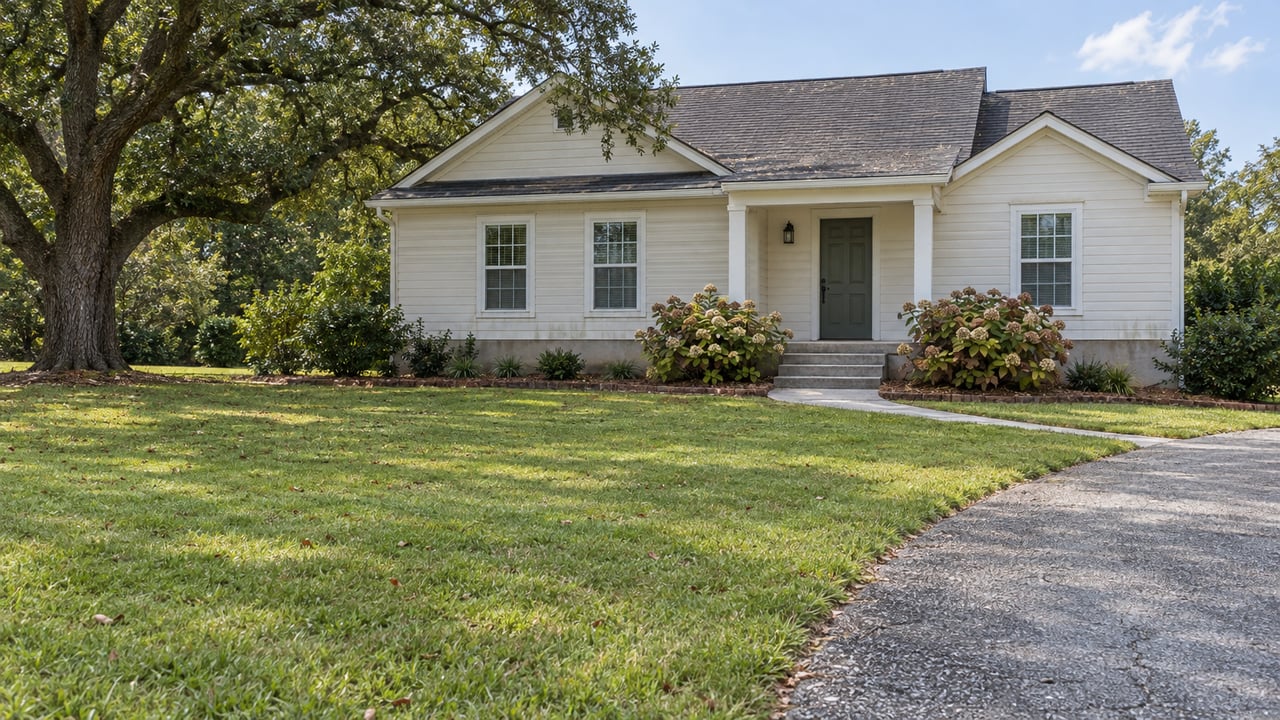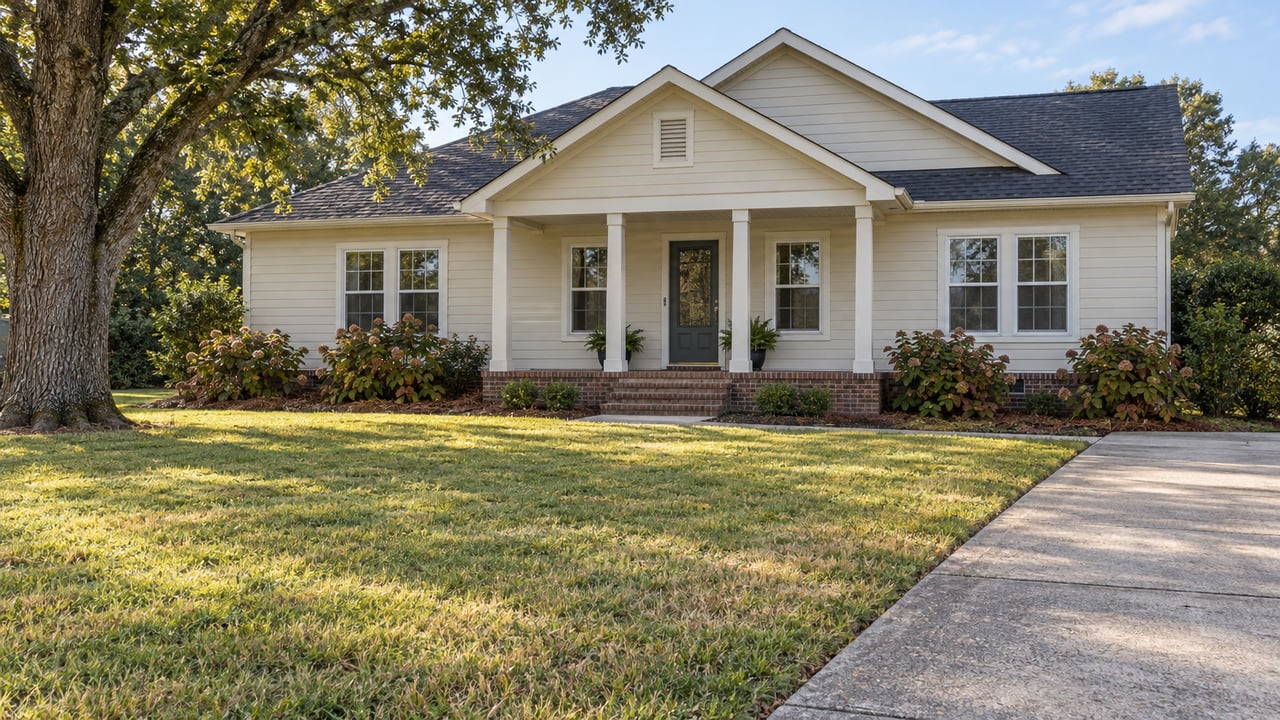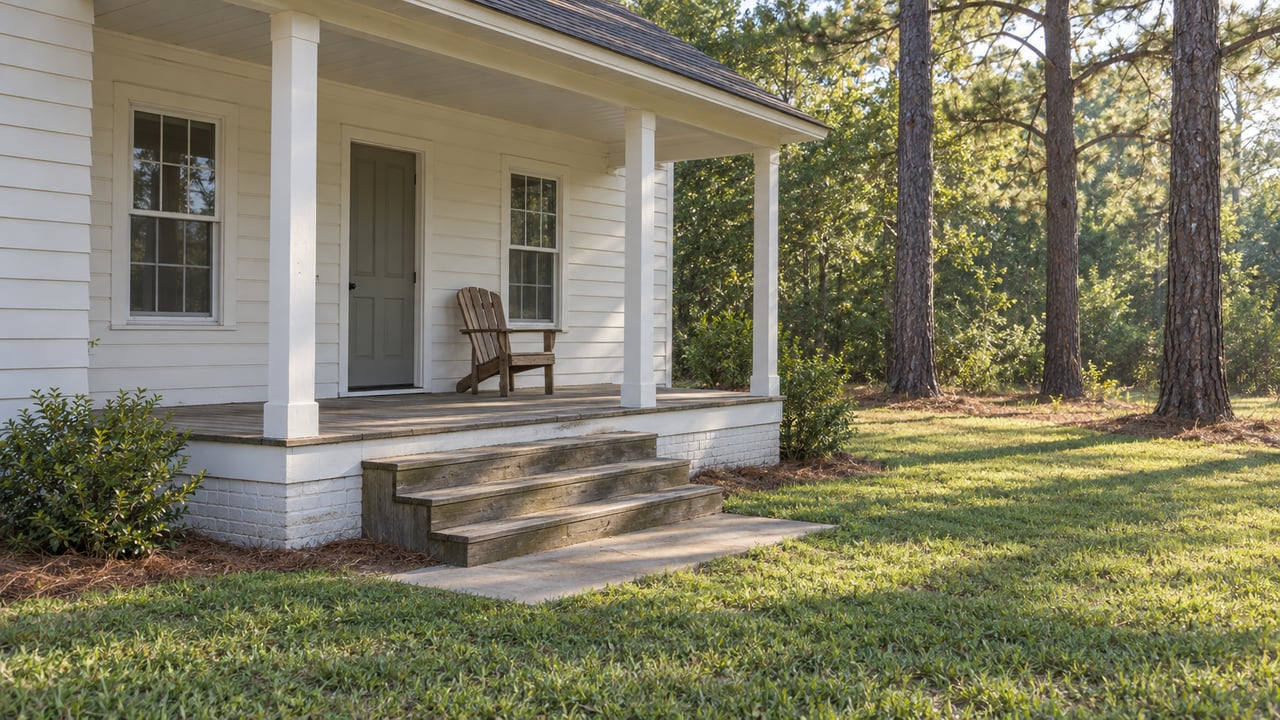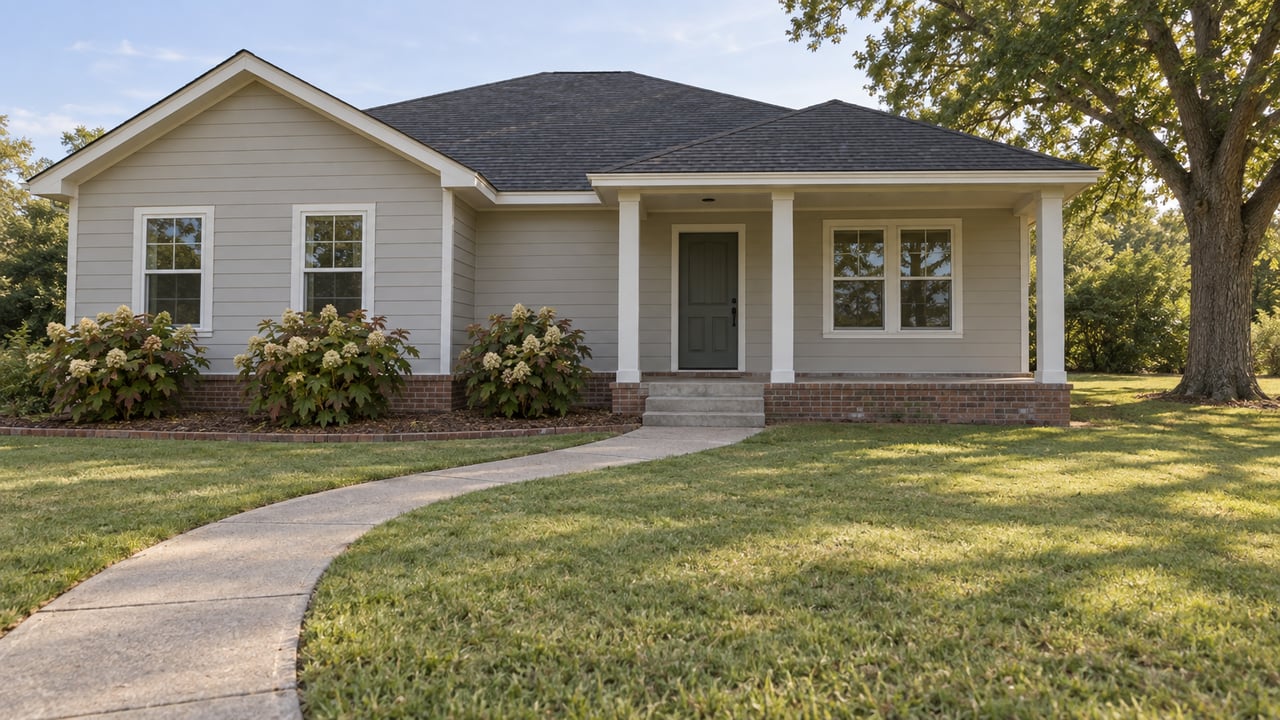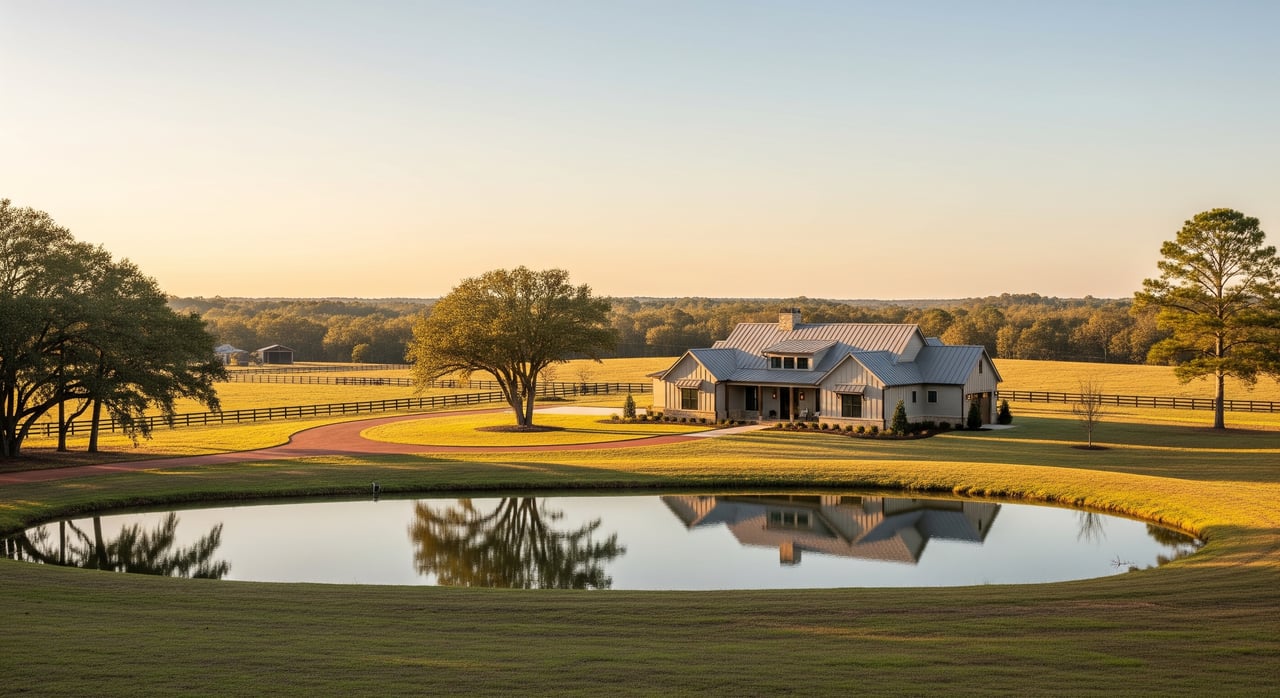
Dreaming of a little elbow room just outside Hartford? You’re not alone. Many buyers want a few quiet acres for a homesite, small pasture, or weekend recreation, but rural parcels come with variables you do not face in town. In this guide, you’ll learn how pricing works, what to check on-site, the permits and paperwork that matter in Geneva County, and how to finance your purchase with confidence. Let’s dive in.
What “small acreage” means near Hartford
Around Hartford and greater Geneva County, small acreage usually means 3 to 40 acres. Buyers use it for a homesite with a yard, a hobby farm, timber and wildlife, or a blend of all three. Your ideal size depends on your goals, budget, and how much of the tract is actually usable.
Focus on usable acreage, not just the total. Low-lying wetlands, creek bottoms, or steep draws can shrink the area where you can build, pasture, or plant. A 10-acre tract with 7 usable acres can be more valuable to you than a 15-acre tract with only 5 usable acres.
How pricing works around Hartford
- Proximity to town services and paved roads often commands a higher price per acre. Parcels close to Hartford and the county seat tend to see more demand.
- Road frontage and county-maintained access add value. Long private easements or unmaintained drives increase risk and cost.
- Utilities and improvements matter. Power on-site, a prior septic approval, a drilled well, fencing, barns, or even a modest home typically bring a premium.
- Soils and productivity influence value. Well-drained soils that support pasture or hay appeal to hobby farmers. Mature pine or mixed timber can add market value if it is accessible to harvest.
- Seasonality affects momentum. Rural land can move more slowly than in-town homes. Demand from retirees, hobby farmers, and recreational buyers can shape timing and pricing.
On-site checks before you fall in love
Soils and septic feasibility
Soils drive septic suitability, drainage, and pasture potential. Start with a desktop review in the USDA NRCS Web Soil Survey to spot limitations. If you plan to build, include a soils evaluation or percolation test as a contingency. The Geneva County Health Department oversees septic permitting and will confirm current requirements.
Water, wells, and pond considerations
Private wells are common in rural Geneva County. Verify whether a well exists and test for flow and water quality. If a pond is present, understand how it is supplied, who maintains it, and whether it sits in an area that may be regulated. Keep proper setbacks in mind if a well and septic will be on the same tract.
Flood risk and drainage
Use the FEMA Flood Map Service Center to check floodplain status. Flood zones can affect buildability, insurance, and where you place a drive or homesite. Walk the property after heavy rain if possible and look for erosion, channelized flow, or seasonal standing water.
Timber, wildlife, and land cover
Pine plantations and mixed pine-hardwood are common in southeast Alabama. Timber value depends on species, age, access for hauling, and local markets. For management or valuation questions, the Alabama Forestry Commission is a useful resource. If hunting or wildlife habitat is part of your plan, evaluate cover, food sources, and safe access across the tract.
Access, roads, and boundaries
Confirm that access is deeded and recorded. County-maintained frontage is ideal. If you will use a private easement, review the recorded language and maintenance obligations in writing. Corner markers can be missing or vague, so budget for a current boundary survey to confirm acreage and lines.
Permits and legal basics in Geneva County
Title, survey, and legal access
Order a title search early to uncover mortgages, liens, easements, and any covenants. For small acreage, a current boundary survey is a smart move. If access relies on an easement, verify it is recorded and clear about who maintains the road or drive.
Septic and well rules
Septic systems require county approval. Expect a soils evaluation and site review before a final permit. If you plan a private well, use a licensed driller and follow state and county setback rules between well and septic.
Zoning, covenants, and permits
Many rural areas have limited zoning, but subdivisions and recorded covenants may set building lines, minimum house sizes, or use restrictions. Check for any recorded covenants and confirm county permit fees, submittal requirements, and timelines before you commit to a build schedule.
Taxes and conservation programs
Review property tax history through the county tax office. Some agricultural and forestry uses may qualify for preferential assessments if conditions are met. Conservation and cost-share programs from NRCS or the USDA Farm Service Agency can support fencing, pasture improvement, or habitat work. Explore programs with USDA FSA and your local NRCS office.
Wetlands and environmental factors
Streams and wetlands may be regulated and can change where you can build or fill. If you suspect wetlands, consider a professional delineation. Learn about permitting through the U.S. Army Corps of Engineers Regulatory Program. If a property hosts unusual habitats, consult U.S. Fish and Wildlife Service resources before altering the site.
Financing your small-acreage purchase
Loan types and down payments
- Land-only loans often require larger down payments, shorter terms, and higher rates than traditional home loans. Local banks, credit unions, and Farm Credit institutions are common sources.
- Lot loans may offer improved terms if the parcel is build-ready with utilities in place.
- Conventional mortgages can work when the property includes an existing home that meets lender standards.
- USDA Rural Development programs may help qualified buyers who are building or buying homes in eligible rural areas. Check the USDA Rural Development eligibility site for details.
- Owner financing sometimes appears in rural sales. Terms are negotiable, so document the agreement and closing procedures.
Contingencies that protect you
Build protections into your offer. Common contingencies include survey, title commitment, soils evaluation for septic, well flow and water quality testing, timber review if value matters, a financing contingency, and inspection of any existing structures. If wetlands or floodplain are present, consider a delineation or additional environmental review.
Appraisals and timelines
Rural appraisals rely on comparable sales of similar acreage and highest-and-best-use analysis. In low-turnover areas, comps can be sparse, which can add time to underwriting. Cash purchases close faster. Loans that require surveys, appraisals, and specialized inspections often take longer.
Practical checklists
Pre-offer checklist
- Confirm deeded, legal access and road maintenance responsibility.
- Pull preliminary title information and look for liens and easements.
- Review NRCS soils and FEMA flood maps as a desktop screen.
- Call the Geneva County Health Department about septic permitting steps.
- Ask the seller for timber and harvest history, any septic records, well data, and recent surveys.
- Request recent comparable sales and an estimate of usable acreage from the listing agent.
Inspection and contingency checklist
- Current boundary survey with recorded plat and corner monuments.
- Soil evaluation or perc test for septic suitability.
- Well flow and water quality test if a well exists.
- Timber cruise or professional evaluation if timber value matters.
- Wetland delineation if you see wet areas or floodplain mapping.
- Title insurance commitment and resolution of any concerning exceptions.
Closing and post-closing
- Record all documents with the Geneva County Probate or Recorder’s Office.
- Transfer or establish utility accounts for electric and any available internet.
- Put any road maintenance or HOA or easement agreements in writing.
- If you plan to keep livestock or hay, review fencing, stray animal rules, and local support through the Alabama Cooperative Extension System.
Local resources you can use
- USDA NRCS Web Soil Survey for soil types and limitations.
- FEMA Flood Map Service Center for floodplain status.
- Alabama Forestry Commission for timber and reforestation guidance.
- USDA Farm Service Agency for farm programs and cost-share options.
- USDA Rural Development eligibility for rural home loan programs.
- Alabama Cooperative Extension System for pasture, small farm, and land management advice.
Final thoughts
Buying small acreage near Hartford can be rewarding when you balance lifestyle goals with careful due diligence. Put usable acres first, confirm access and utilities, verify septic and well feasibility, and build smart contingencies into your offer. With practical, local guidance and the right checklist, you can move from search to closing with confidence.
If you want local insight on soils, access, and value trade-offs around Hartford, connect with Michael Dorriety for a straightforward, farm-tested consultation.
FAQs
How many acres do I need for a home and small pasture?
- Many buyers find 3 to 10 acres workable for a home, garden, and modest pasture. Focus on usable acres instead of total acreage.
Will I have access to electricity and internet on rural tracts?
- Electricity is generally available in many rural parts of Geneva County. Internet options vary by road, so confirm service at the parcel address.
Do I need septic and well tests before buying land?
- Yes, it is wise to include a soils evaluation for septic and a well flow and water quality test as standard contingencies.
What extra costs should I budget beyond the purchase price?
- Plan for survey, title insurance, closing costs, driveway or culvert work, septic or well installation or upgrades, fencing, utility hookups, taxes, and possible clearing or timber work.
Can I buy land now and build later in Geneva County?
- Yes. Verify county permitting steps, any subdivision covenants, and septic and well feasibility so your future build is straightforward.