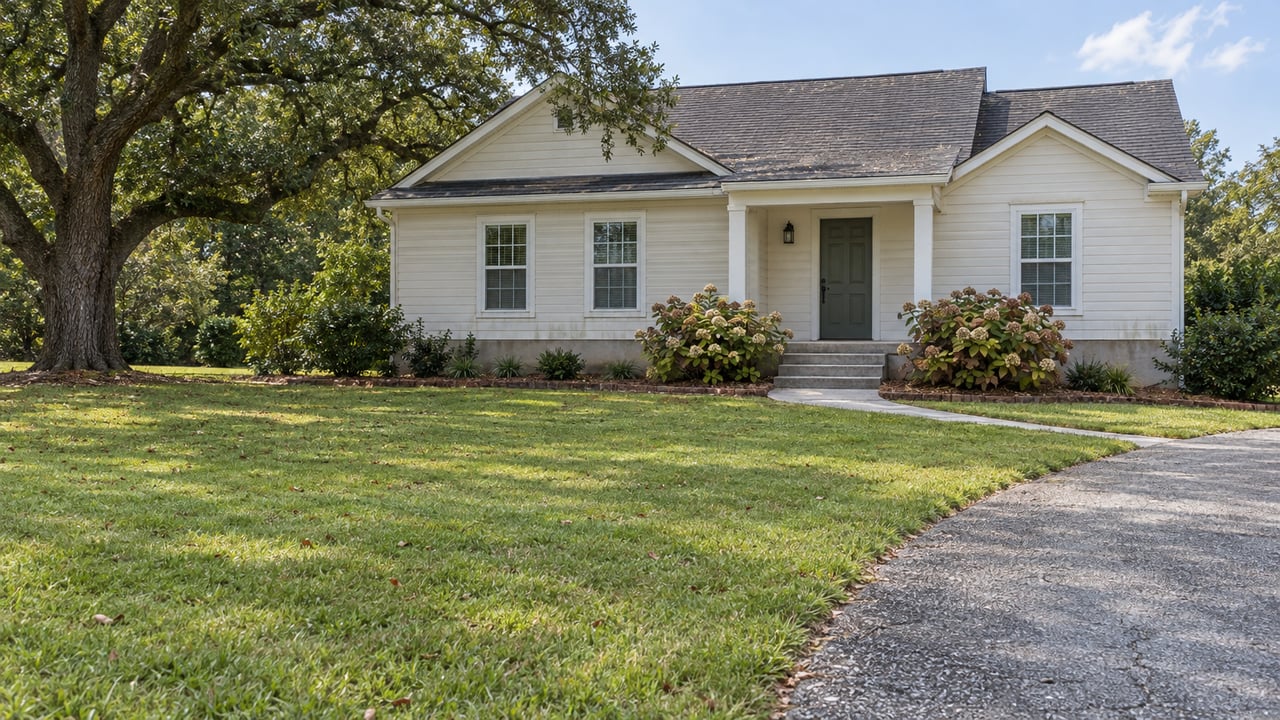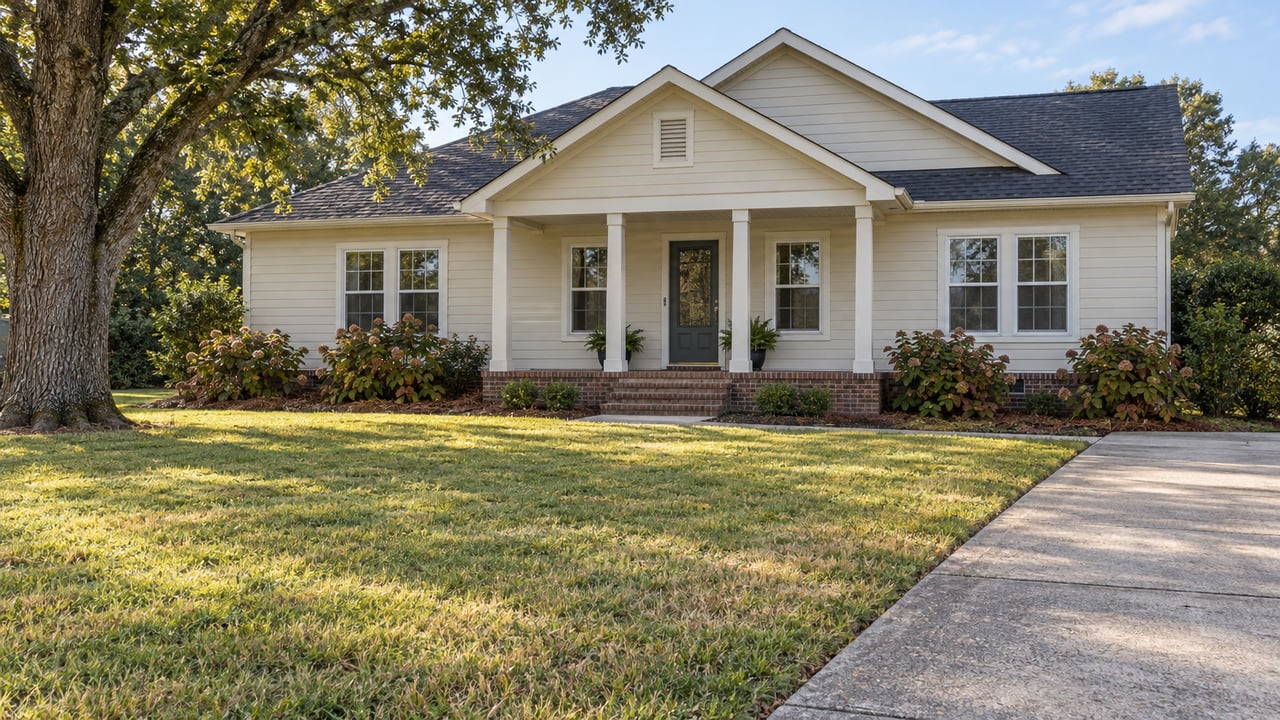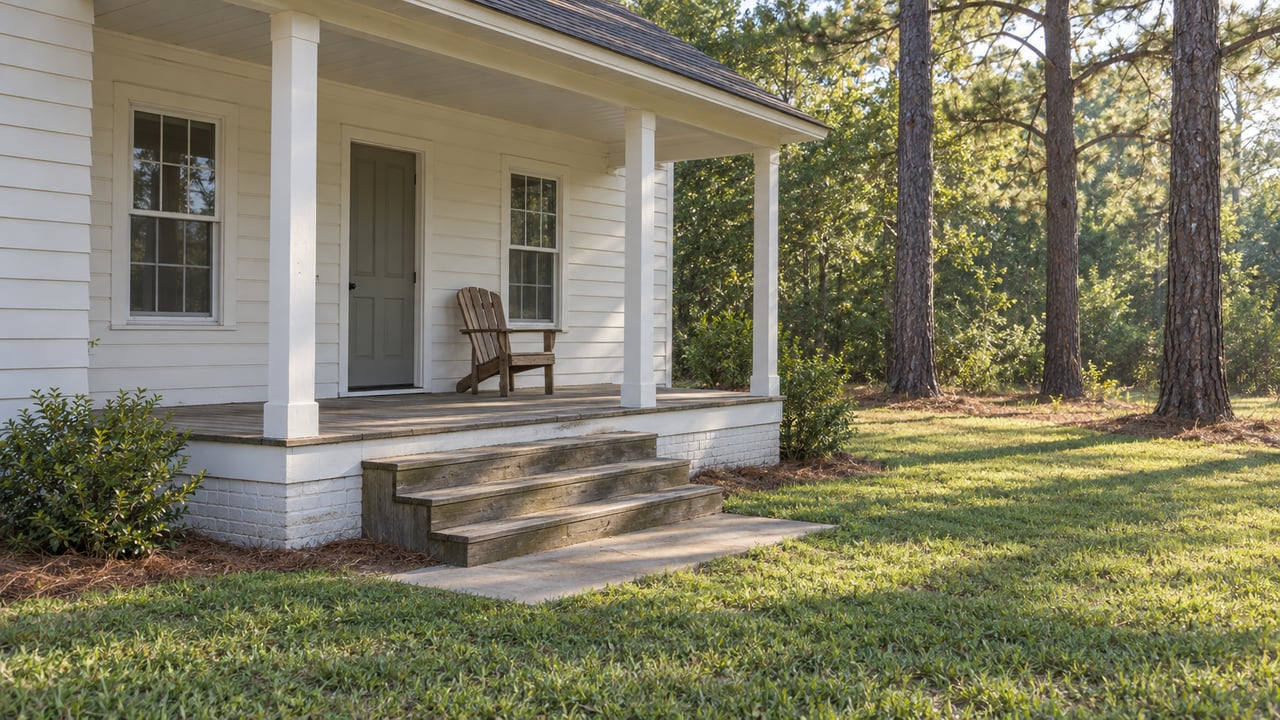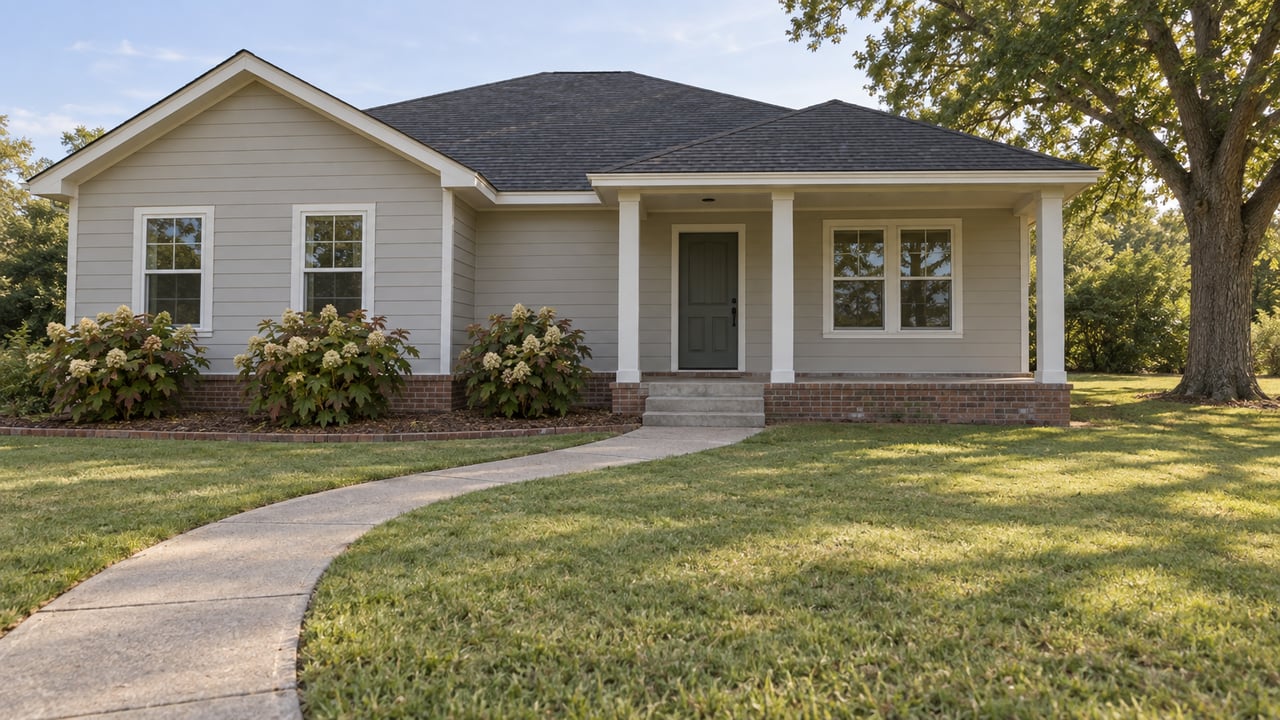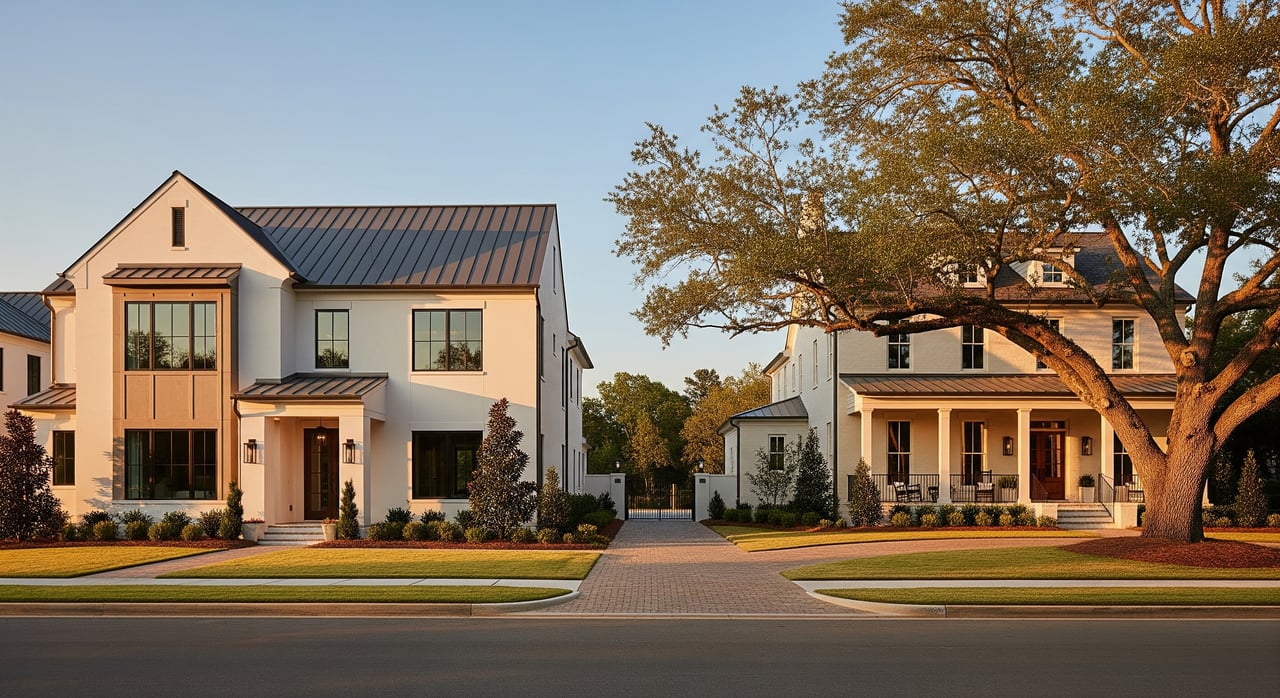
Thinking about a home in Ashford and wondering if you should build new or buy an existing place? You are not alone. In a small-town market like Ashford, the right path depends on your timeline, budget, and how much customization you want. This guide breaks down the real differences you will face in Ashford so you can move forward with confidence. Let’s dive in.
What to expect in Ashford
Ashford offers a small-town feel with easy access to Dothan and other Wiregrass job centers. You will find older single-family homes, some recently updated, and many with larger lots. New construction tends to be custom homes on individual parcels or small local builder projects rather than big subdivision developments.
Buildable lots inside town can be limited. Many buyers look at rural parcels just outside city limits to get more acreage. Utilities also matter. Some properties connect to municipal water and sewer, while others rely on wells and septic systems. Zoning, subdivision rules, and permit requirements vary between the City of Ashford and Houston County, so factor that into your planning.
Because Ashford’s sales volume is modest, median prices and days-on-market can jump around from month to month. Appraisals for new builds can be tricky if there are few recent comparable sales. Keep that in mind if you plan to build above the typical price range.
Cost comparison in Ashford
Purchase price and lot costs
New construction usually carries a higher cost per square foot. You are paying for modern systems, energy efficiency, and warranties. In Ashford, the lot and site work can have an outsized impact on your total budget. Tree clearing, grading, driveways, septic systems, and utility connections add up fast.
With existing homes, the sticker price may look lower, but you should plan for updates. Older roofs, HVAC systems, electrical, or kitchens can bring repair and replacement costs. Ask for recent service records where possible.
Renovation vs. premium finishes
- New builds often include contemporary layouts and efficient materials out of the gate.
- Resales can offer character and larger lots at a lower price point, but you may need to budget for improvements.
- If you prefer turnkey, a newer resale or a fully finished new build can reduce surprises after closing.
Ongoing ownership costs
- Maintenance: New homes typically have lower near-term maintenance plus builder and structural warranties. Older homes can require more attention in the first few years.
- Taxes: Property taxes are set by Houston County. Your assessed value and timing of any reassessment can affect your first-year bill, so get an estimate before you commit.
- Insurance: Premiums can vary based on distance to a fire department, roof age, and construction materials. Rural locations sometimes see higher rates. Flood insurance depends on FEMA mapping; confirm the floodplain status of any lot.
- Utilities: Confirm whether your property will use municipal water and sewer or well and septic. Connection fees and per-lot utility costs should be part of your budget.
Timeline to move-in
Buying an existing home
Most financed purchases close in about 30 to 60 days. Inspections, appraisal, and underwriting are the main steps. Cash purchases can wrap up sooner. If you are on a tight schedule, resale is typically the fastest path.
Building new in Ashford
New construction often takes 6 to 12 months or longer. Custom builds can run 9 to 18 months. The pace depends on the builder’s schedule, permits, inspections, and the amount of site work needed.
Local timing factors to watch
- Permit timelines vary between the City of Ashford and Houston County.
- Specialty trades like electricians and HVAC contractors may have backlogs in smaller markets.
- Wet weather can delay grading, foundation work, and driveway installation.
Financing differences
Existing homes
Most buyers use conventional, FHA, or VA loans. You will have standard contingencies for inspections and appraisal. Your lender will verify income, assets, and credit as usual.
Construction lending
New builds often use construction-to-permanent loans or a standalone construction loan followed by a permanent mortgage. During construction, funds are released in draws. You typically pay interest only on the money drawn, and the lender may require inspections at each stage.
Local banks and credit unions in the Wiregrass region often know the area and builders well. That familiarity can help the process run more smoothly. If your project is modular or manufactured, be sure your lender understands the program rules for FHA or VA.
Features and livability
Why choose new construction
- Modern floor plans and open living areas.
- Energy-efficient insulation, windows, and HVAC to lower utility costs.
- Builder and structural warranties reduce early ownership risk.
- Ability to tailor finishes, storage, and outdoor living spaces to your lifestyle.
Why choose an existing home
- Immediate availability, which is helpful if you need to move soon.
- Established neighborhoods and mature landscaping.
- Often a lower purchase price than a comparable new build.
- Larger lots may be more common in older subdivisions or rural parcels.
Resale and appraisal in a small market
Sparse comparable sales make appraisals more challenging for unique or higher-end new homes. If you push well above local norms, your lender may ask for a higher down payment or extra documentation. On the resale side, days-on-market can be longer than in larger cities, so plan a realistic timeline if you might sell in a few years.
Think about the broad buyer pool in Ashford: local families, retirees, and commuters to Dothan. Homes with 3 or more bedrooms, usable outdoor space, an open living area, and reliable HVAC tend to draw more interest. Proximity to everyday services and commuting routes often matters more for resale than luxury finishes.
If you plan to sell in the short term, weigh the premium you pay for new construction against the thinner pool of buyers for custom features. If you expect to stay 7 to 10 years or more, the lower maintenance and modern systems of a new build can pay off over time.
Decision framework for Ashford buyers
Use these prompts to clarify your best path.
Key questions to answer
- How long do you plan to live in the home? Less than 5 years or 7 to 10 years and beyond?
- Do you need a firm move-in date within 60 days, or can you wait 6 to 12 months?
- Is being inside Ashford city limits important, or would you consider nearby acreage?
- Do you prefer turnkey living, or are you comfortable managing renovations?
- How important is easy resale and broad buyer appeal?
Rules of thumb
- If you need convenience and a quick move-in, favor existing homes.
- If you want customization and low near-term maintenance and can accept a longer timeline, favor new construction.
- If in-town lots are scarce and you want acreage, new construction on a rural parcel is often the default path.
Checklist: buying an existing home
- Get preapproved with a local lender.
- Review 6 to 12 months of local sales and current inventory to set expectations.
- Order a thorough home inspection and price out recommended repairs.
- Ask for utility usage history where available.
- Verify ages and condition of major systems: roof, HVAC, plumbing, and electrical.
- Confirm septic details or sewer connection and schedule septic inspection if applicable.
- Get property tax estimates from the Houston County Tax Assessor and an insurance quote.
Checklist: building new
Get preapproved for a construction or construction-to-permanent loan and learn the draw schedule.
Confirm the lot is buildable: soil test, septic feasibility, floodplain status, and utility access.
Verify zoning, subdivision rules, and permit requirements with the City of Ashford or Houston County.
Interview local builders. Ask for references, recent completions, warranty terms, and a detailed line-item budget.
Clarify the build timeline, allowances, and how change orders are handled. Ask about weather and contractor scheduling contingencies.
Budget for site work: tree removal, grading, driveway, well or water connection, septic or sewer, and utility extensions.
Obtain tax and insurance estimates early. Confirm any HOA covenants or private road agreements.
Which path fits your goals?
If you want to be settled fast with fewer moving parts, an existing home is the simpler route. If you value a modern layout, energy efficiency, and finishes chosen to fit your life, building can be worth the wait. In Ashford, the biggest swing factors are lot availability, site costs, and your time horizon. With a clear plan and the right local partners, either option can work well.
Ready to compare real options on the ground, run the numbers, and map out timelines? Reach out to Michael Dorriety for local guidance tailored to your budget and goals.
FAQs
How much longer does building take than buying in Ashford?
- Buying an existing home typically takes 30 to 60 days, while new construction often runs 6 to 12 months or more depending on site work and builder availability.
Is new construction always more expensive than a resale?
- Usually the price per square foot is higher for new builds, but total cost depends on lot price, site work, and the updates a resale would require.
Are there special financing steps for new builds?
- Yes. Construction loans use draw schedules and may require more documentation and inspections. Talk with local lenders early to understand the process.
Will a highly customized new home be harder to sell later?
- It can be if it is priced above local comparables or has niche features. Homes with standard layouts and broad-appeal features tend to resell more smoothly.
What hidden costs should I plan for when building?
- Site prep like tree removal and grading, septic or sewer hookups, utility extensions, driveway, possible higher rural insurance, and interest paid during construction are common adds.