Thinking about a move to Slocomb, or comparing it with other Wiregrass towns? You’re not alone. Many people look here for lower housing costs, a quieter pace, and a small-town feel. This guide gives you a balanced, practical look at everyday life in Slocomb so you can decide if it fits your goals. Let’s dive in.
What life feels like in Slocomb
Slocomb sits in southeastern Alabama’s Wiregrass region. It’s a true small town with a modest downtown core, lower-density neighborhoods, and community-centered routines. You’ll find local churches, civic events, and neighbors who know each other by name.
Daily life is slower and simpler than in larger cities. You can handle essentials in town, then make short drives to nearby hubs for bigger errands or work. If you prefer open space, small-town routines, and fewer crowds, Slocomb may be a good match.
Housing and cost of living
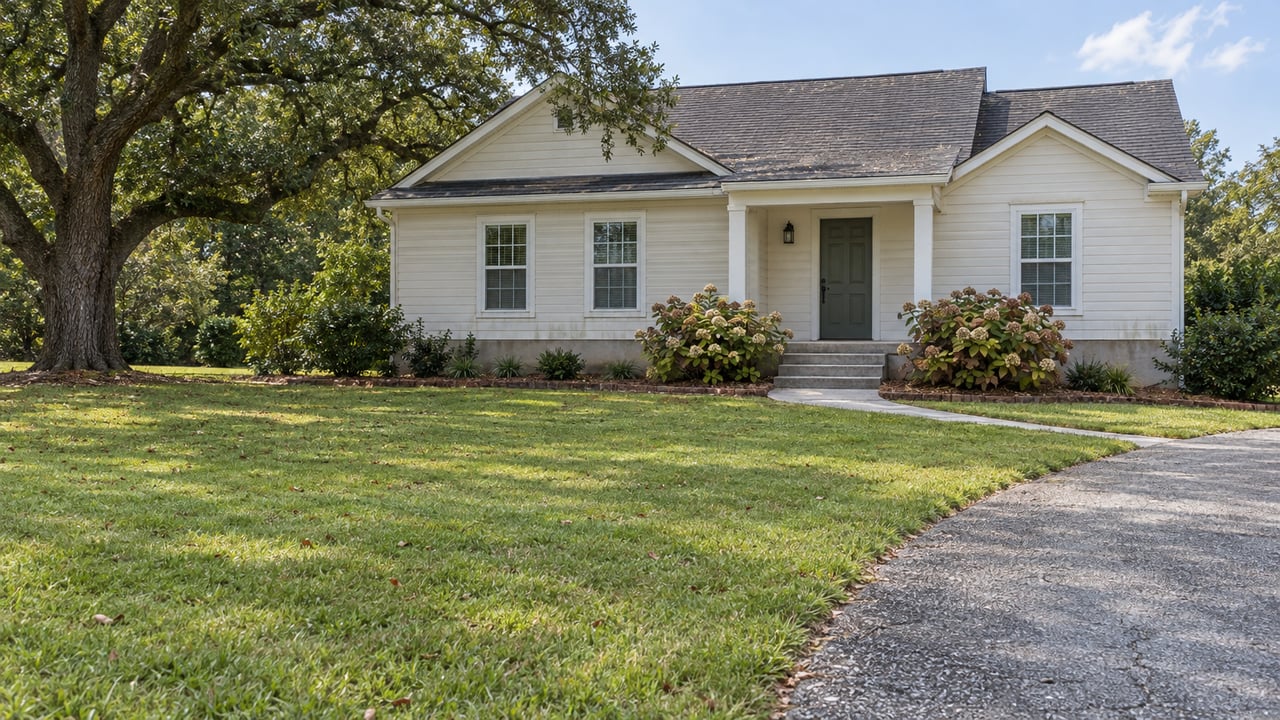
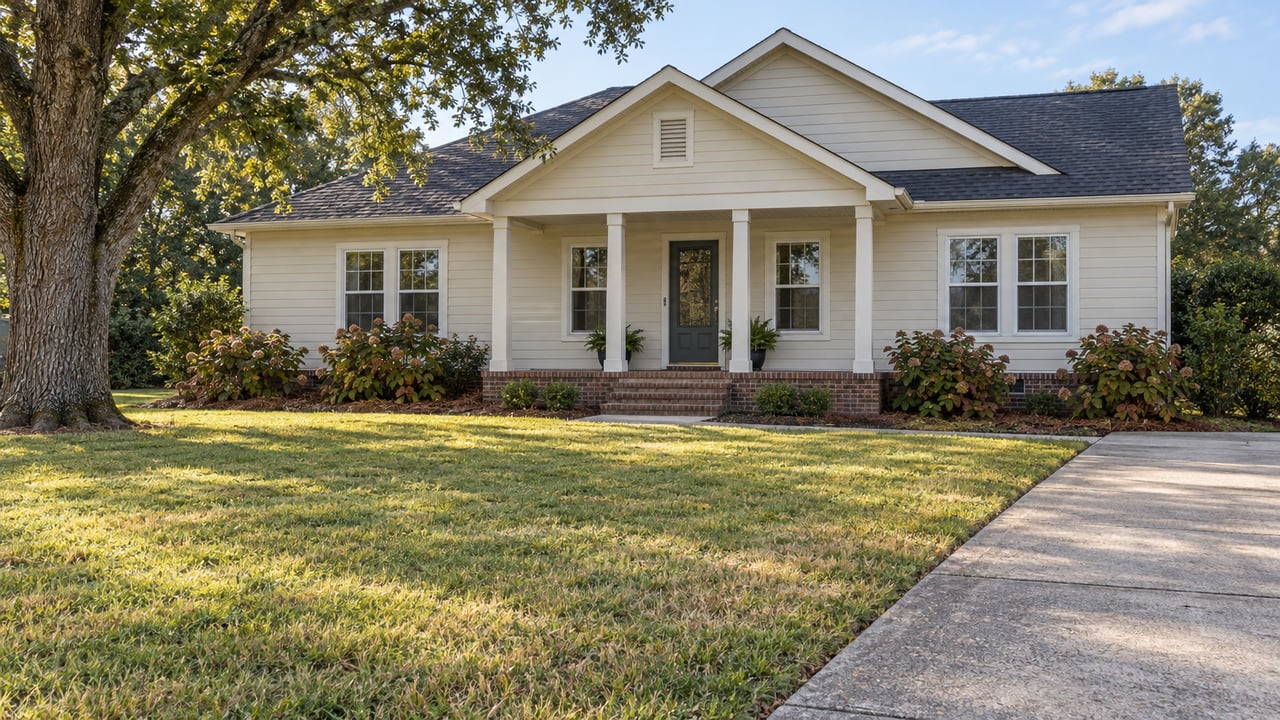
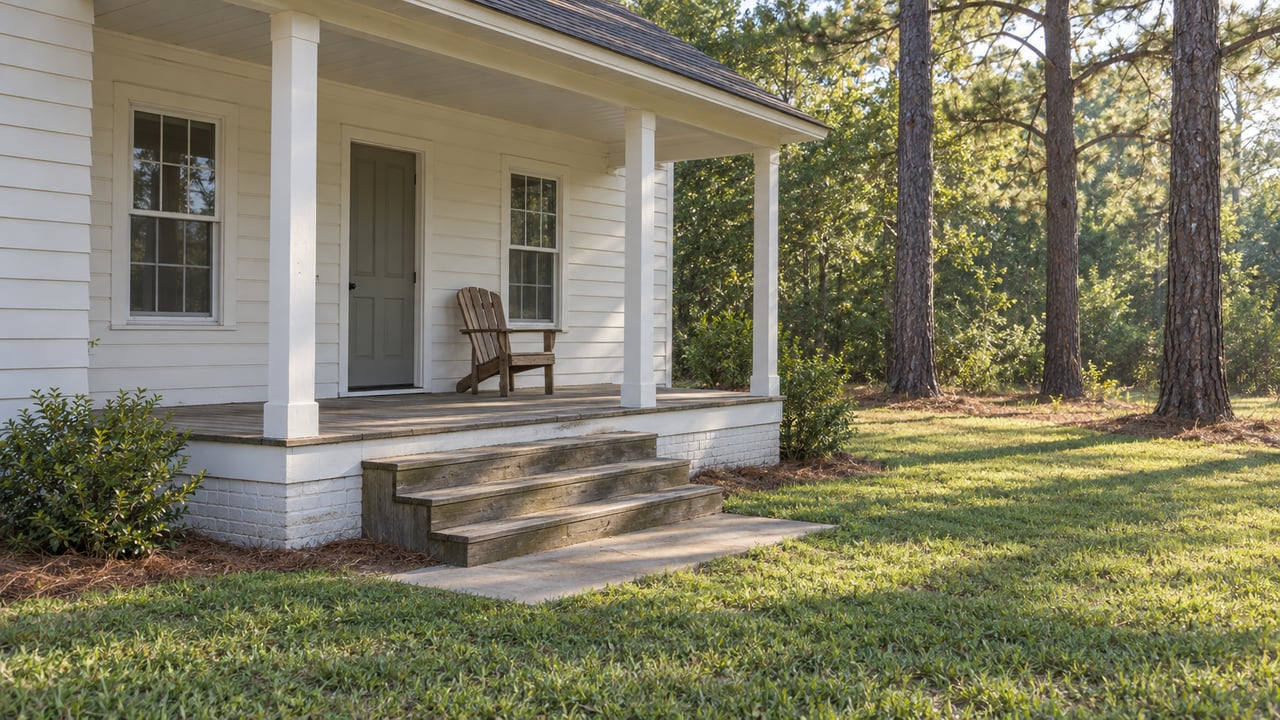
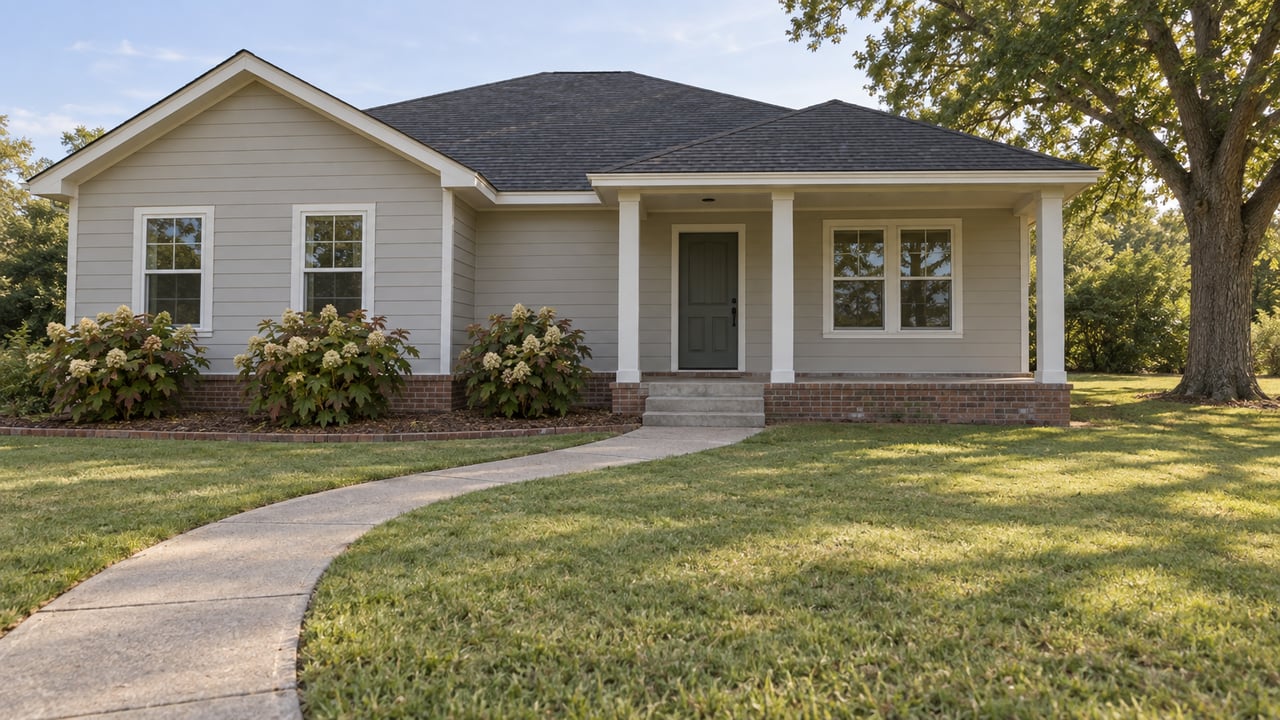
Most homes in Slocomb are single-family and often one-story ranch-style. You’ll see a mix of mid-century houses, newer builds that appear in phases, and manufactured homes on larger lots. Inventory is smaller than in bigger markets, so choices at any given time can be limited.
Affordability is one of the main reasons people consider Slocomb. Compared with many metro areas, housing and daily expenses tend to stretch further here. That said, when a well-cared-for property in a good location hits the market, interest can be strong. Be prepared to act when the right home appears.
If you plan to buy, pay attention to practical rural details:
- Confirm well records and septic information where applicable.
- Review drainage, roof age, HVAC, foundation, and outbuilding condition.
- Understand local utility providers and typical monthly costs.
If you plan to sell, pricing strategy matters because the buyer pool is smaller. Thoughtful staging, clear property data, and strong local marketing can make a real difference.
Who Slocomb fits best
Slocomb tends to attract people who want a quieter lifestyle and value-to-budget balance. That includes families who like small-town schools, retirees looking to reduce costs, and buyers who want acreage for hobby farming or recreation. If you want quick access to major shopping, specialty healthcare, or a wide variety of dining, you’ll likely commute to nearby towns.
Commute and getting around
Most residents rely on cars. Public transit in the Wiregrass is limited, so plan on driving for commuting, shopping, and appointments. Slocomb is tied to nearby employment centers, including Dothan, Enterprise, Ozark, and the city of Geneva.
Your trade-off is classic small-town math: you may pay less for housing, but spend more time driving. Factor fuel, maintenance, and schedule flexibility into your decision. If you work remotely, confirm your internet options at the specific property before you make a move.
Daily necessities and amenities
You’ll find basic shopping, conveniences, and local restaurants in town. For big-box stores, specialty retail, and a broader dining scene, residents typically drive to larger nearby towns. Many households plan a weekly or biweekly stock-up trip, then handle quick errands locally during the week.
Community life leans practical and local, with parks, church-based activities, ballfields, and seasonal events. If you enjoy a simpler routine and being involved locally, you’ll likely feel right at home.
Schools and education
Slocomb has local public schools that serve the community. Small districts can offer a close-knit environment and community support, though they may have fewer specialized programs than large metro systems. If schools are a priority for you, review the most recent state report cards and talk directly with administrators about programs, transportation, and extracurriculars. Keep your research neutral and fact-based so you can make a clear decision.
Healthcare access
You’ll find primary care and clinics locally or in nearby towns, while major hospitals and specialty care are in larger Wiregrass hubs. Many residents plan routine appointments ahead and allow travel time for specialist visits. If you or a family member needs frequent specialty care, map drive times to your providers before you commit to a home.
Internet and utilities
Utility service typically includes city water and sewer in core areas, with electric service through local providers and cooperatives. Broadband access varies by street and distance from town. Some areas have cable or DSL, while outlying properties may rely on satellite or fixed wireless. If remote work or streaming is important to you, verify providers and plan speeds for the specific address.
Recreation and community
Recreation in Slocomb is rooted in the outdoors, local parks, and community spaces. If you enjoy gardening, small-scale farming, fishing in nearby waters, or working on projects around the house, the setting fits well. You’ll also find community events that bring neighbors together. For larger cultural events, theater, and sports, plan to drive to regional venues.
Pros and cons at a glance
Pros
- Lower average housing costs and overall cost of living compared with many metro areas.
- Small-town community feel where you can get involved and make connections.
- Less congestion, less noise, and simpler day-to-day routines.
- Access to rural lifestyle options, including acreage and hobby farming.
Cons
- Fewer local shopping, dining, and entertainment options.
- Many commutes to larger towns for work, major shopping, and services.
- Specialty healthcare requires planning and drive time.
- Internet speeds can vary by neighborhood or road.
- Smaller real estate inventory and buyer pool, which can affect timing.
What to know before you buy or sell
A little preparation goes a long way in small-town markets. Use this quick checklist to save time and avoid surprises.
Buyer checklist
- Confirm water source: city water or private well, and request well records if applicable.
- Inspect septic system, age, and service history when not on city sewer.
- Review roof, HVAC, foundation, windows, and drainage on older homes.
- Verify broadband options at the specific address and test speeds if possible.
- Check flood zone status and insurance requirements for the parcel.
- Review outbuildings, fencing, and access easements on acreage.
- Understand utility providers, average monthly costs, and trash pickup schedules.
Seller checklist
- Right-price from day one for a smaller buyer pool.
- Pre-gather key docs: survey, septic info, well records, permits, and recent utility bills.
- Handle light repairs and staging that showcase function and storage.
- Use local MLS exposure and targeted marketing that reaches out-of-area lifestyle buyers.
- Plan for seasonality and showings that may involve longer drive times for prospects.
How we help you compare options
Choosing Slocomb is about fit. You want clear answers on housing stock, commute patterns, broadband, and property details like wells, septic systems, and soils. You also need strong marketing if you are selling a home or small acreage.
You benefit from a broker who understands both in-town homes and rural property. Michael blends hands-on farm experience with modern marketing reach. That means practical guidance on everything from evaluating a ranch-style home’s systems to understanding pasture, timber potential, or a pond’s value on a small tract.
Is Slocomb right for you?
If you want an affordable, small-town lifestyle with room to spread out, Slocomb may be a smart choice. If you prefer daily access to big-box shopping, specialty medical care, and a packed dining scene, you will likely commute. The right answer depends on your priorities, budget, and how you want to spend your time each week.
Ready to compare neighborhoods, fine-tune your budget, or plan a listing strategy that reaches both local and out-of-area buyers? Connect with Michael Dorriety for straight-talk guidance and a plan that fits your goals.
FAQs
What is the overall lifestyle in Slocomb like?
- Small-town living with a quiet pace, community events, and basic local services, plus short drives to nearby hubs for bigger shopping and jobs.
How does Slocomb’s housing compare to nearby towns?
- Housing tends to be more affordable than many metro areas, with a mix of older ranch-style homes, some newer construction, and manufactured homes.
Will I need a car to live in Slocomb?
- Yes. Public transit is limited in the Wiregrass, so most residents drive for work, shopping, and appointments.
What should I check before buying a home in Slocomb?
- Verify well and septic details, review drainage and major systems, confirm broadband options, and check flood zone and access easements for acreage.
Where do residents go for major healthcare services?
- Primary care and clinics are available locally or nearby, while hospitals and specialty providers are in larger Wiregrass towns, which require a drive.
Are there many rentals in Slocomb?
- Rental options are limited compared with larger cities, and many rentals are single-family homes or small multi-unit properties advertised locally.
Is the internet fast enough for remote work?
- It depends on the address. Some in-town areas have cable or DSL, while outlying roads may rely on satellite or fixed wireless, so verify before you buy.
What’s the real estate market pace like?
- Inventory is smaller and moves in seasons, so desirable properties can attract quick interest while unique homes may take longer to find the right buyer.