Thinking about listing your Geneva home in the next year but unsure where to invest your time and money? You are not alone. Sellers here want strong offers without taking on costly remodels that may not pay off. This guide breaks down practical upgrades that appeal to Geneva buyers, how to prioritize them, and when to tackle each one. Let’s dive in.
What Geneva buyers value now
In Geneva County, buyers often look for everyday functionality and usable space. Outdoor living areas, covered parking, and tidy, low-maintenance yards catch attention fast in listing photos and during drive-bys. Storage for equipment and hobbies, like a clean garage or a functional shop, is a big plus.
Given our hot, humid summers, buyers appreciate reliable HVAC, shaded porches or screened spaces to keep mosquitoes at bay, and good drainage around the home. If your property has a private well or septic system, documentation of recent service or inspections can help reduce loan-related delays for FHA, VA, and conventional buyers.
Curb appeal upgrades that pay off
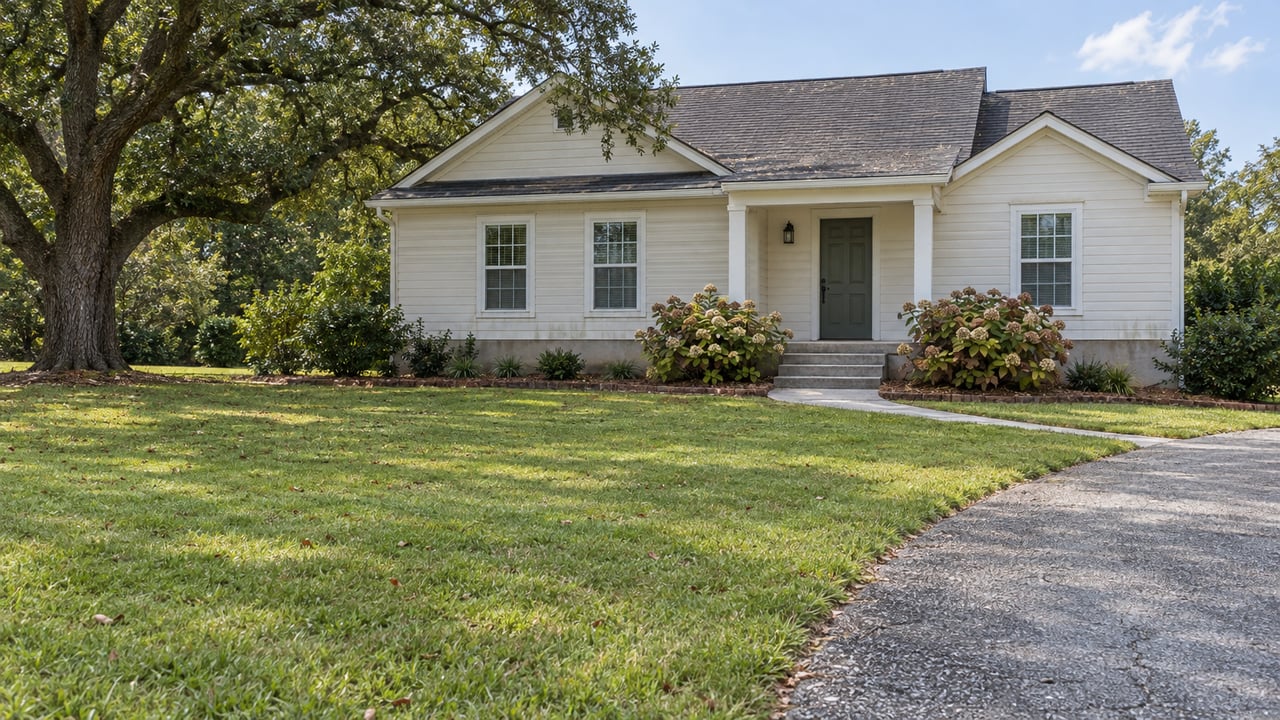
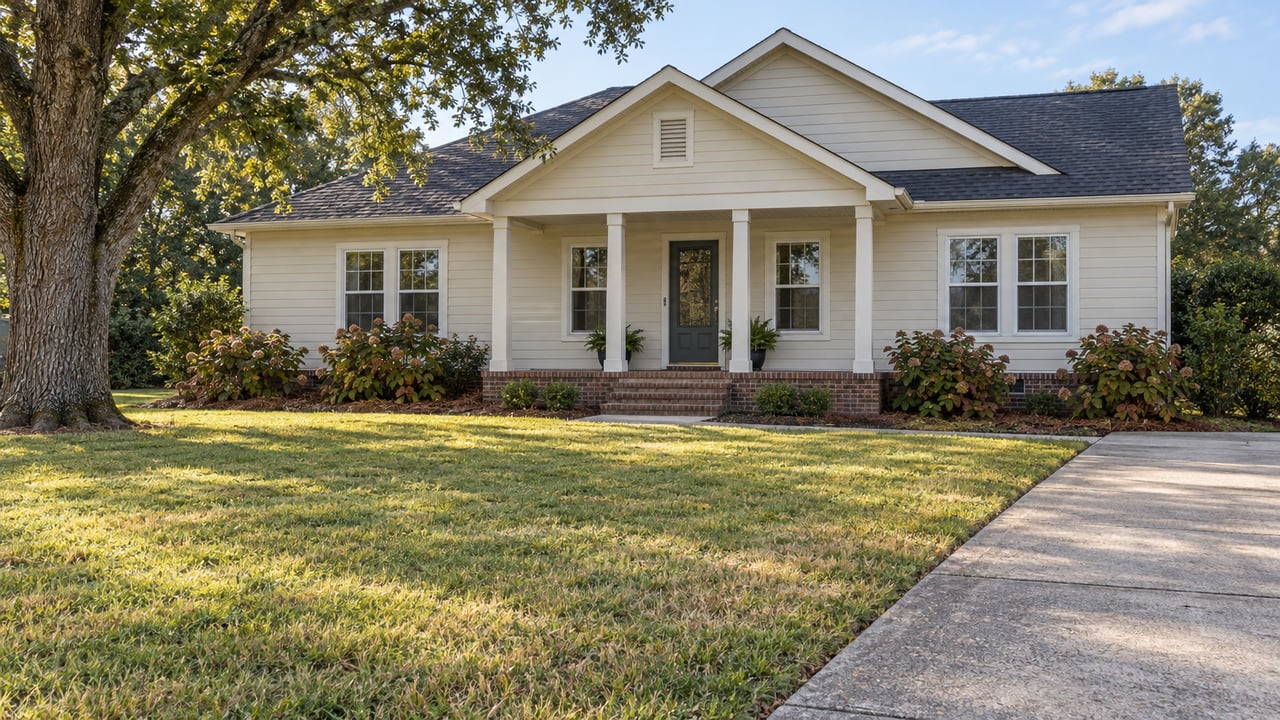
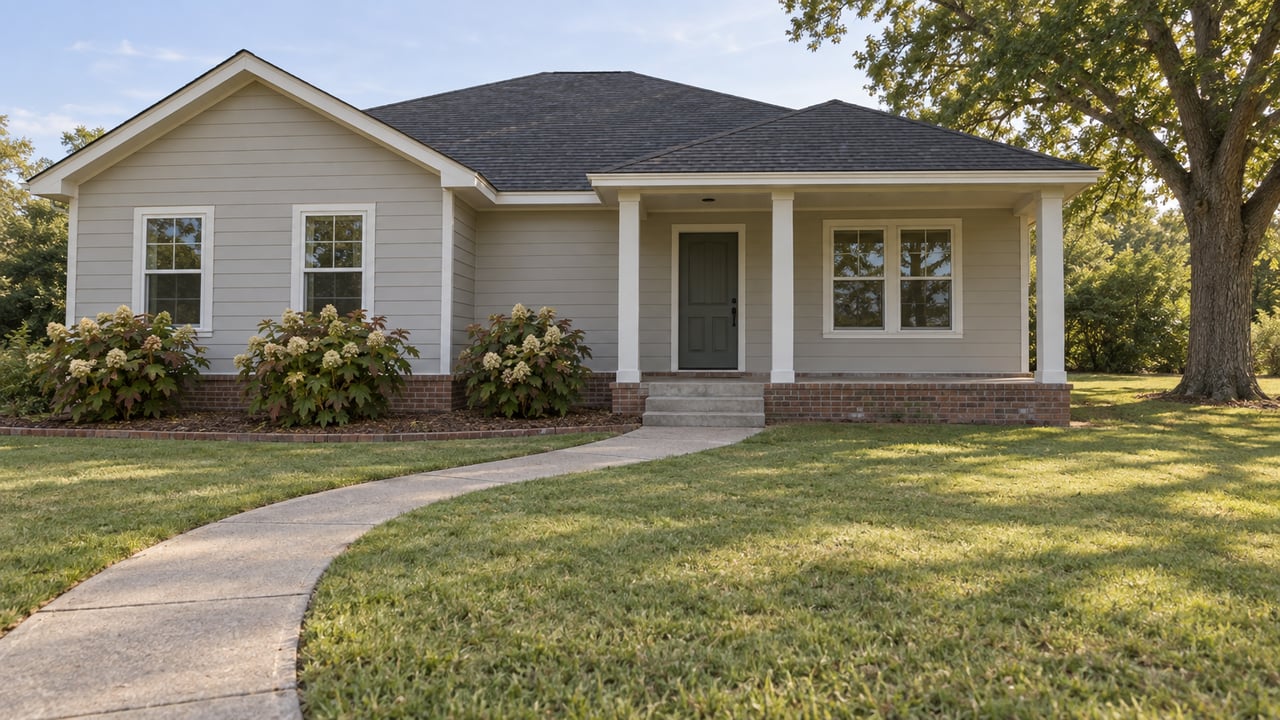
First impressions set the tone for your entire showing. Focus on the small exterior fixes that create a clean, cared-for look without heavy costs.
- Power-wash siding, porches, and driveways to freshen up surfaces.
- Paint or refresh the front door and trim in a neutral, durable exterior paint.
- Repair gutters, downspouts, and visible roof issues, and replace missing shingles.
- Update house numbers, mailbox, and exterior lights for a quick style lift.
- Mulch beds, prune shrubs, mow and edge the lawn, and add a few focal plants. In rural settings, top up gravel and repair driveway areas for a tidy approach.
You can complete most curb appeal projects in one to four weeks and keep costs modest while delivering high visual impact.
Outdoor living and porches
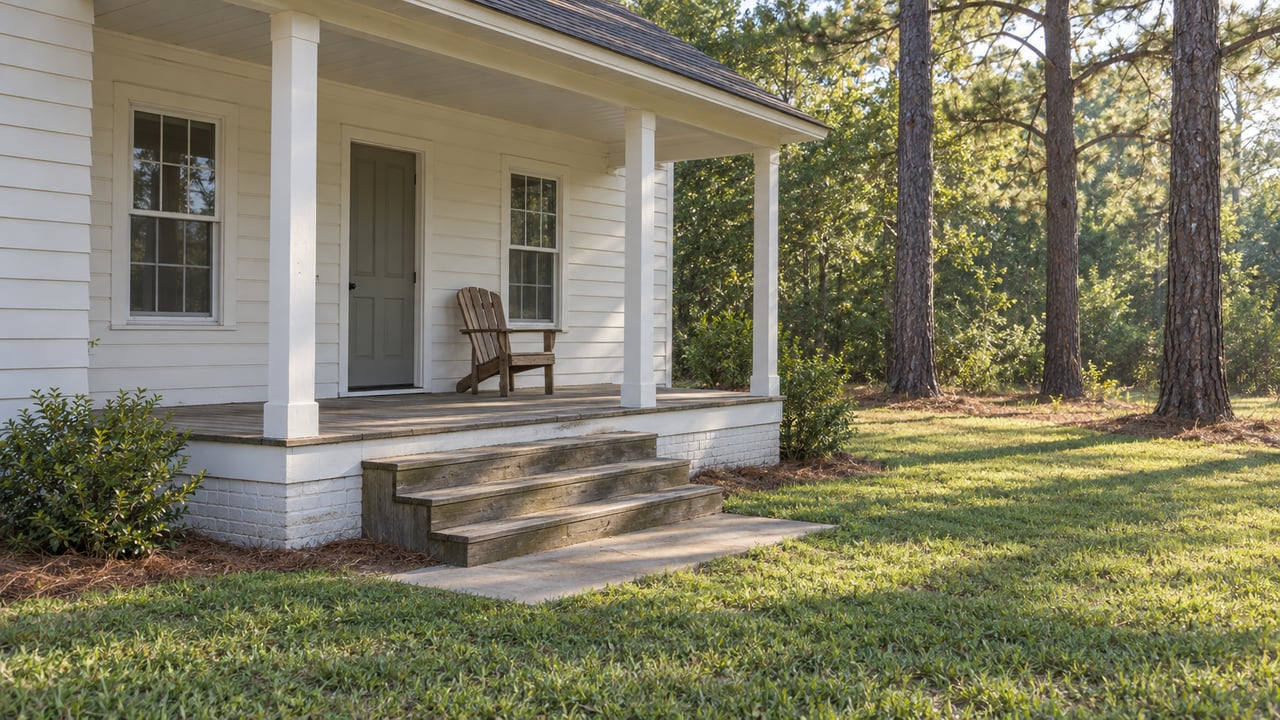
Screened porches and covered patios are highly appealing in southeastern Alabama. They extend your usable space most of the year and make showings more memorable.
- Convert an existing deck to a screened porch for mosquito relief and comfort.
- Add a simple roof extension or a covered patio to create shade.
- Install outdoor-rated lighting, ceiling fans on porches, and durable flooring.
- Define a sitting or grilling area with pavers or gravel and simple landscaping.
If you plan structural additions or roofline changes, verify permit requirements with the city of Geneva or Geneva County early to avoid delays.
Shop, garage, and storage
Functional storage and shop space is a major draw for rural buyers. Improving what you already have is often more cost-effective than building new.
- Declutter the garage or shop to showcase usable space and ceiling height.
- Repair doors and windows, add secure locks, and update lighting. Use GFCI outlets where appropriate.
- Seal or epoxy the concrete floor and add basic shelving or pegboard systems.
- If you add a metal outbuilding, focus on utility features like a concrete pad, electric service, and roll-up doors rather than high-end finishes. Check setbacks and permits before you start.
These steps increase perceived value without a large budget and help buyers picture how they will use the space.
Interior finishes that sell
A fresh, neutral interior helps buyers see themselves in your home and photographs beautifully online.
- Repaint main living areas with one cohesive, neutral palette and touch up trim.
- Replace worn carpet or dated flooring with durable options like luxury vinyl plank for a clean, low-maintenance look.
- Repair holes, scuffs, and loose molding. Deep clean and neutralize any strong odors.
- Declutter and pre-pack. Renting a small storage unit can make rooms feel larger and calmer.
These updates are typically doable in two to six weeks and deliver strong first impressions.
Smart kitchen and bath refreshes
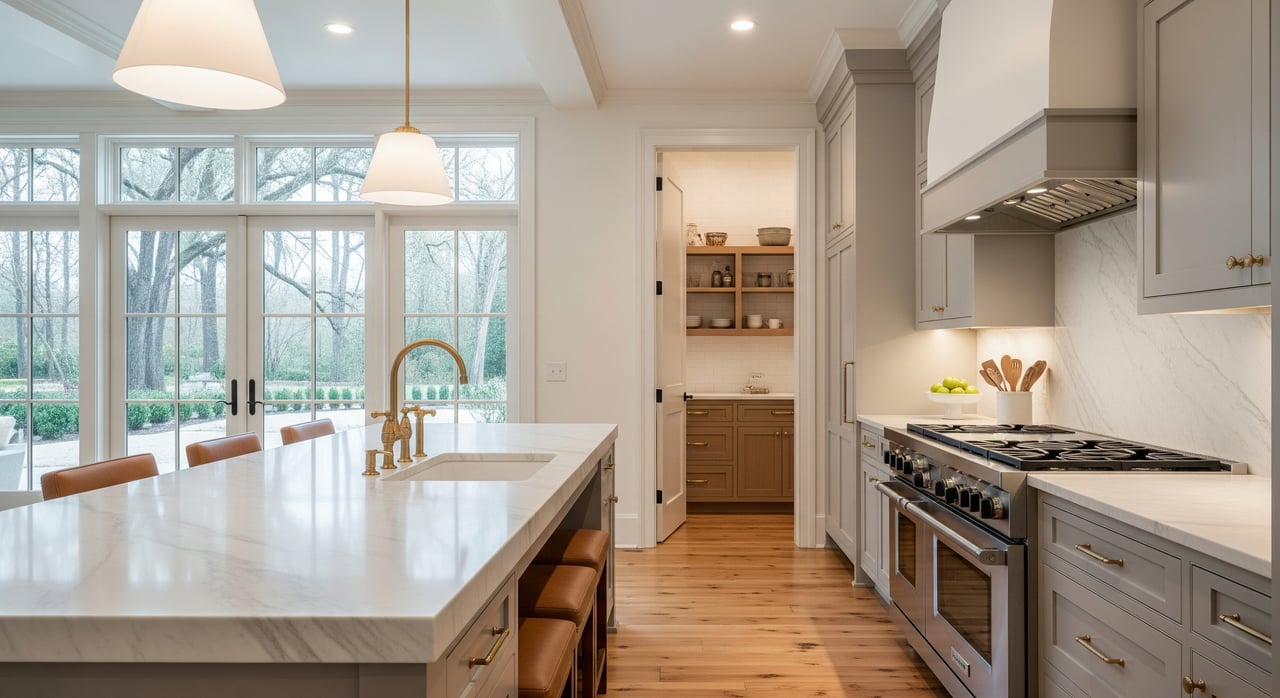
Kitchens and baths influence decisions, but full remodels can be hard to recoup before a sale. Focus on targeted updates that modernize the look at midrange costs.
- Kitchen: Refinish or paint cabinets and add new hardware. Replace very dated counters if needed, refresh the faucet, add a simple backsplash, and update lighting. If nearby comparable homes have newer appliances, consider a matching set.
- Baths: Replace or reglaze a vanity top, update fixtures and lighting, re-caulk tubs and showers, regrout or reglaze tile as needed, and replace toilets that look worn.
Avoid major layout changes unless local comps clearly demand it. The goal is to look fresh and move-in ready without going overboard.
Systems, safety, and inspections
Buyers want to know major systems are reliable. Address these items early so you do not lose leverage during negotiations.
- HVAC: Service the unit, change filters, and keep documentation. If the system is failing, replacement can be a strong selling point.
- Roof: Repair or replace deteriorated sections. A leaking roof often leads to financing issues and price reductions.
- Electrical: Correct safety hazards and outdated panels, and bring obvious issues up to code.
- Septic and well: Arrange inspections and service as needed, and keep records. Many buyers and lenders will request proof of functioning private systems.
- Termites and pests: Evidence of treatment or an active contract reassures buyers in our region.
Keep invoices, warranties, and inspection reports organized to share with buyers and their lenders.
Energy efficiency updates
Simple efficiency improvements can reduce utility costs and make your home more attractive.
- Top up attic insulation and seal common air leaks.
- Install a programmable or smart thermostat.
- Swap in LED lighting and water-saving fixtures where practical.
For marketing, reference recent energy bills or maintenance records so buyers can see the benefits clearly.
Budget and timeline guide
Plan your upgrade list around your sale window and the condition of competing listings. A structured plan keeps you on budget and on schedule.
- Low-cost, high-impact, under 3,000 dollars: Deep cleaning, paint touch-ups, minor landscaping, light fixture updates, door and trim refresh, decluttering and staging, basic HVAC and plumbing maintenance.
- Mid-range, roughly 3,000 to 15,000 dollars: Screened porch conversion, cabinet refinishing and hardware, bathroom refreshes, key-area flooring replacement, shop lighting or electrical upgrades, roof repairs.
- Major projects, more than 15,000 dollars: New shop or major structural porch addition, full roof or HVAC replacement, full kitchen remodel. Reserve these for failing systems or when local comps justify the spend.
Prioritization for Geneva sellers:
- Safety and systems first. Fix problems that can block financing or scare buyers, like roof leaks, failing HVAC, electrical hazards, or septic issues.
- Curb appeal second. Paint, clean, and tidy the yard and entry.
- Interior neutralization next. Paint, flooring, lighting, and decluttering.
- Usability upgrades that fit local demand. Screened porch, shop improvements, and covered parking.
- Major remodels only if required to compete.
Timelines at a glance:
- 1 to 4 weeks: Cleaning, paint touch-ups, landscaping, minor repairs.
- 4 to 8 weeks: Flooring, cabinet refinishing, bathroom updates, HVAC service.
- 8 to 16 weeks or more: Porch additions, shop modifications, full system replacements. Build in time for permitting and contractor schedules.
Permits and local checks
Before you start any structural project, confirm permits with the city of Geneva or Geneva County. Outbuildings, structural porches, and many electrical or plumbing changes often require permits. Cosmetic updates like interior paint and most flooring usually do not.
If your home has a septic system or a private well, check with county or state environmental health offices on documentation or transfer requirements. Many buyers and lenders will ask for proof of functioning systems.
Alabama law expects sellers to disclose known material defects. Consider a pre-listing inspection to find issues early and reduce the chance of renegotiation. In a storm-prone region, it also helps to verify roof and structural integrity and keep insurance claim history handy.
Simple prep checklist
- Walk your exterior and make a punch list for cleaning, paint, gutters, and yard work.
- Schedule HVAC service and a roof check. Address any obvious safety concerns.
- If applicable, arrange septic and well inspections and pump-outs as recommended.
- Refresh interior paint and flooring in the most visible rooms first.
- Declutter and stage, focusing on the entry, living room, kitchen, primary suite, and porches.
- Improve shop and garage lighting, floor finish, and organization.
- Consider a modest screened porch conversion if it fits your timeline and budget.
- Gather documentation: warranties, past permits, service records, inspections, and utility history.
- Get two to three estimates for any larger projects to confirm costs and timeline.
Ready to sell with confidence?
With the right plan, you can showcase the features Geneva buyers value most and reach the market on time. If you want a local, practical roadmap for your property, connect with Michael Dorriety for a free consultation or instant valuation. You will get clear priorities, trusted contractor referrals, and a strategy that fits your goals and budget.
FAQs
What curb appeal upgrades work best in Geneva homes?
- Focus on power-washing, a fresh front door and trim, cleaned gutters, updated lights and house numbers, and simple mulch and pruning. A tidy gravel driveway also helps.
Do screened porches really add value in humid Alabama?
- Yes, buyers often prize screened or covered outdoor spaces for mosquito control and year-round use. Converting an existing deck to screened is a cost-effective move.
Should I build a new shop or improve my existing one?
- Improve first. Cleaning, lighting, sealed floors, secure locks, and basic electrical upgrades usually deliver strong appeal at a lower cost than new construction.
Which systems matter most to buyers and lenders?
- HVAC, roof, electrical safety, and functioning septic and well systems are top concerns. Service records and inspection documentation help prevent delays.
What permits might I need around Geneva?
- Structural additions like porches, garages, or outbuildings and many electrical or plumbing changes often require permits. Verify with the city or county before starting.
How should I handle septic and well items before listing?
- Schedule inspections and any needed service, such as pump-outs. Keep records ready, since many buyers and lenders will request proof of proper function.
What is a realistic timeline to prep for a 6 to 12 month sale?
- Plan immediate curb and interior refreshes in 1 to 4 weeks, mid-range projects in 4 to 8 weeks, and structural additions or system replacements in 8 to 16 weeks or more.
Are full kitchen or bath remodels worth it before selling?
- Often no. Targeted updates like cabinet refinishing, new hardware, lighting, re-caulking, and selective counter or fixture replacements typically offer better near-term value.
How can I highlight energy efficiency to buyers?
- Add attic insulation, air sealing, a programmable thermostat, and LED lighting. Share recent utility bills or maintenance records to demonstrate real-world savings.
What documents should I gather before I list?
- Warranties, permits, service invoices, inspection reports, pest control history, and utility history. Organized records boost buyer confidence and speed up closing.